Welcome
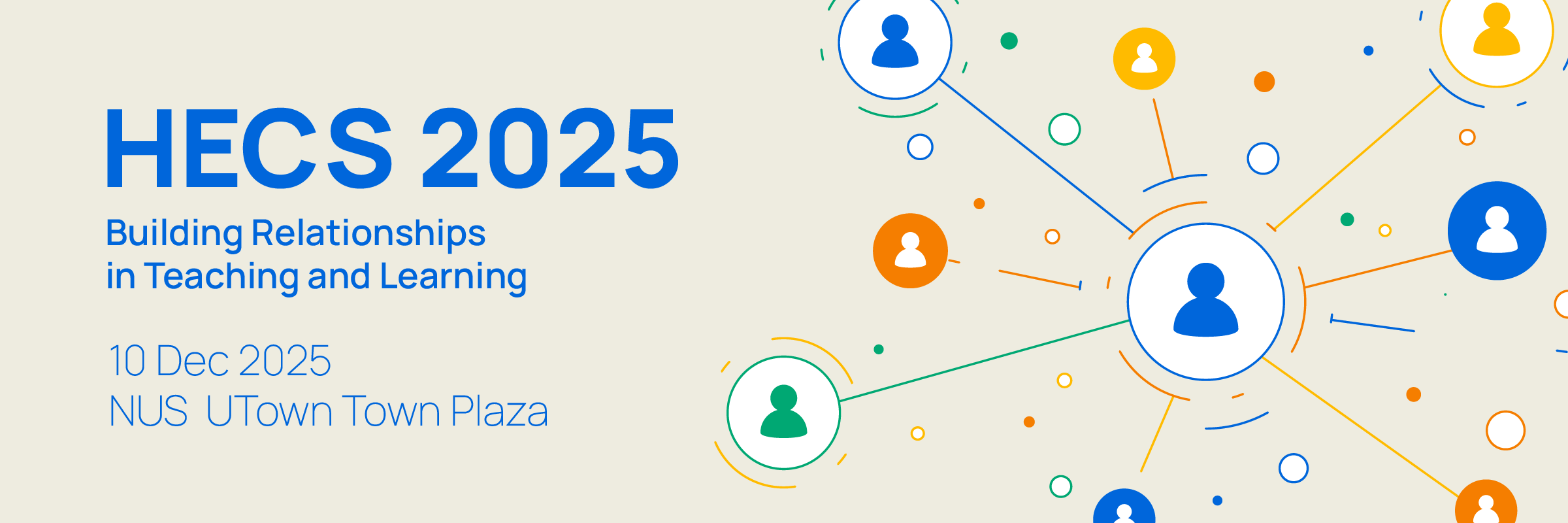
The Centre for Teaching, Learning and Technology (CTLT) invites all who are involved with higher education in Singapore to the Higher Education Conference in Singapore (HECS) 2025. HECS 2025 will take place on 10 December 2025 (Wednesday) at the National University of Singapore (NUS) University Town (UTown) Town Plaza.
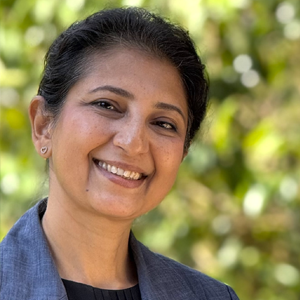
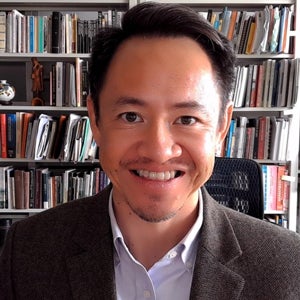
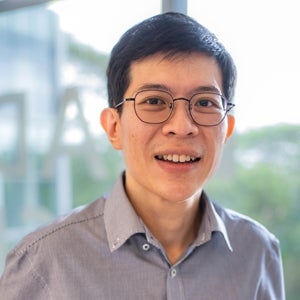
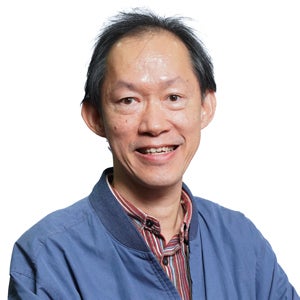
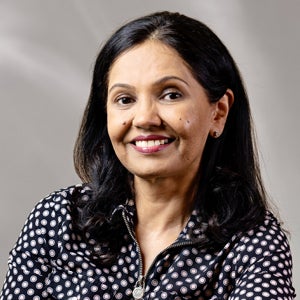
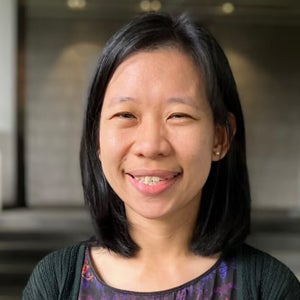
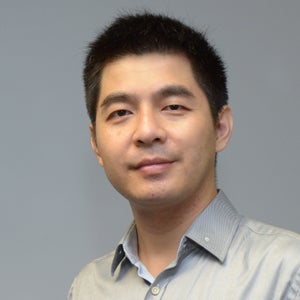
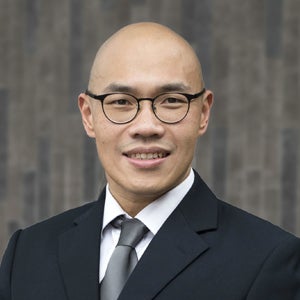
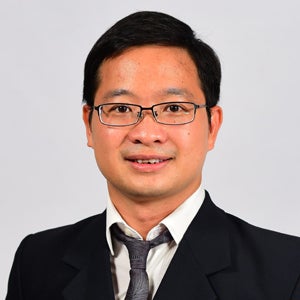
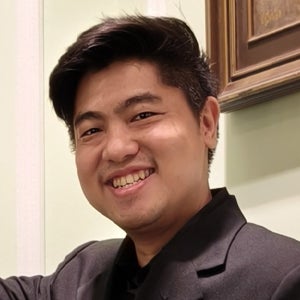
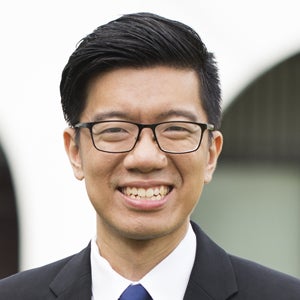
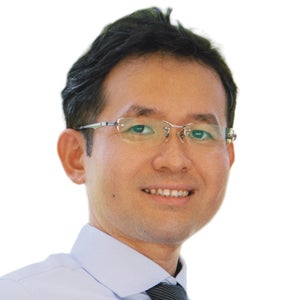
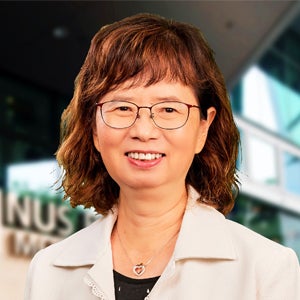
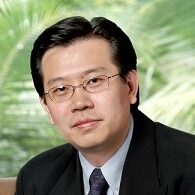
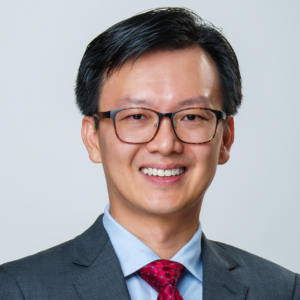
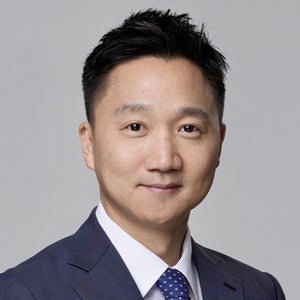
The HECS 2025 Conference Chairs warmly welcome colleagues to the conference.
Theme
This year’s conference will centre on the theme, “Building Relationships in Teaching and Learning”. This conference would like to invite educators and education scholars to relook at the various kinds of relationships that underlie effective learning; or the kind of relationships that are built during the process of learning or as a result of learning. In the face of a tech-heavy teaching and learning environment, a focus on the interpersonal and the intersubjective can be a way to integrate the technological and the human in teaching and learning.
Sub-Themes
We invite extended abstracts on the following sub-themes. For illustration purpose, we listed a few non-exhaustive examples under each sub-theme.
Building Learning Relationships
- Learner to/with learner (eg. peer learning, student team dynamic etc)
- Educator to/with learner (eg. coaching, course co-creation etc)
Building Technological and Community Relationships
- Between learner and environment (eg. Technology, community, society etc)
- Between educator and environment (eg. Technology, community, society etc)
Building Professional Relationships
- Between educators (eg. mentorship, sharing of ideas etc)
- Between teaching practices
Others
- For abstracts that do not fall into any of the three sub-themes.
- Note that we are open to other papers but will prioritise papers that align with the conference theme.
Extended abstracts may cover more than one of the sub-themes.
HECS 2025 Keynote
The Challenges and Hopes of a Relationship-Rich Education: Restoring the Human in Teaching and Learning
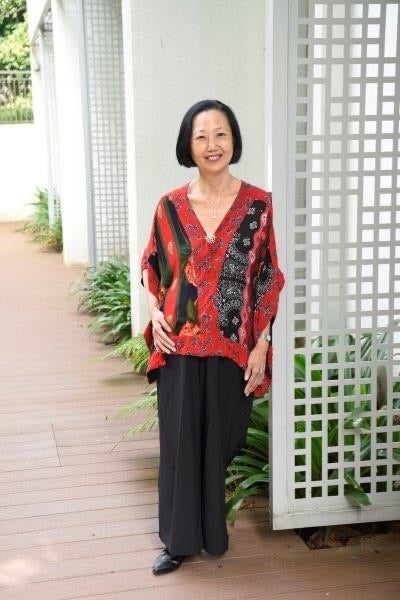
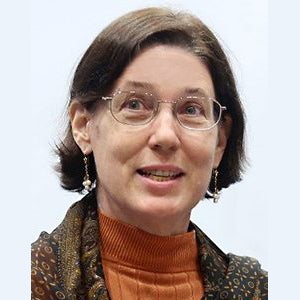
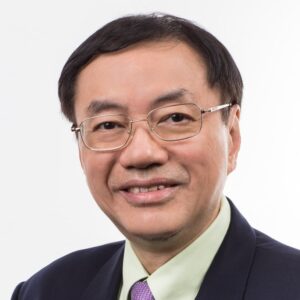
A/P Chng Huang Hoon
Chua Thian Poh Community Leadership Centre
A memorable and impactful learning experience is not defined by useful content or good pedagogical skills alone but by the meaningful relationships that may be formed between educators and learners. This should not be something we even have to discuss but unfortunately, in today’s high-speed, time-hungry world, an educational experience that is marked by the strong bonds between learners and educators have become somewhat challenging to achieve. It is time to place the educator-learner bond at the centre of any teaching and learning endeavour.
Through narratives gathered from educators and learners, I hope to illuminate on the conference theme of building relationships in teaching and learning. A key message I wish to convey is: high-impact experiences have to be founded on relationships; on community bonds; and on mutual trust. If we can enact an educational experience that is relationship-rich in- and outside our classrooms, we would have gone some ways in restoring the human in the work we do.
Signature Pedagogy Session
The Signature and Innovative Pedagogy Workshop
|
AUs |
Workshop Title |
|
SIT |
Empowering Student Success: An Introduction to Solution-Focused Coaching in Higher Education |
|
SUTD |
Hands-on, interdisciplinary and human centric design thinking |
|
SMU, SUSS, NTU |
Details being refined |
The Interdisciplinary Collaborative Core (ICC) curriculum at NTU provides a holistic education that equips students with transferable skills, ethical grounding, and interdisciplinary perspectives for the future workforce. It comprises a suite of core courses designed to help students integrate knowledge across disciplines, think critically about real-world challenges, and communicate effectively in diverse contexts. The curriculum includes six foundational core courses – Inquiry and Communication in an Interdisciplinary World; Ethics and Civics in a Multicultural World; Health and Wellbeing; Sustainability: Society, Economy, and Environment; Science and Technology for Humanity; along with a career readiness module, Career Design and Workplace Readiness in the V.U.C.A. World. Together, these courses foster self-directed learning, social responsibility, and problem-solving through collaborative projects and experiential learning. The ICC complements the disciplinary majors in NTU by cultivating global awareness, civic-mindedness, and lifelong learning skills that prepare students to navigate complex societal and technological issues with adaptability and empathy.
Using Bruner’s (1960) concept of spiral curriculum, this workshop explores how the spiral approach of intentional revisiting can be applied to interdisciplinary teaching. By incrementally increasing complexity with each repetition, this method enables students to develop robust insights and connections of key concepts. For an interdisciplinary course, a spiral approach allows students to explore complex issues from multiple disciplinary perspectives, helping them integrate diverse knowledge for holistic understanding.
The workshop will draw upon the NUS interdisciplinary course HS2904 Driving Towards the Future: Battery Electric Vehicles. Since this elective course has no disciplinary prerequisites and is taken by students from both Faculty of Science (FoS) and Faculty of Arts and Social Sciences (FASS), the spiral approach is essential for levelling diverse backgrounds and subsequently developing higher-order skills. Participants will engage in discussion and hands-on practice of utilizing the spiral approach for teaching both disciplinary and interdisciplinary courses with minimal prerequisites.
The use of the Tableau (actors forming a still dramatic picture) is a signature pedagogy devised for HS2913-Representing Lives. HS2913 is a CHS (NUS College of Humanities & Sciences) Interdisciplinary Course that promotes learner collaboration through interdisciplinary discussions and interrogations. The use of tableau positions learners as performers and audience – mobilising the immediacy and commitment that liveness affords to invited critiques, rewriting and negotiations. This workshop will share the techniques, execution and pedagogical implications of using the tableau as a means to introducing embodied learning into the classroom. This will be a hands-on workshop and will involve participants constructing and responding to tableaux.
This workshop explores the way care and relationality shapes who we are as educators, as well as the communities we are embedded in. Designed based on insights and experiences from an interdisciplinary learning community of educators, we will work together to clarify and articulate a range of views, emotions and practices associated with care and relationality in the University. In smaller groups, we will have the opportunity to share and learn from our fellow educators about their approach to care and relationality, and explore ideas and potential collaborations for educators to support each other in their work.
Based on our book “Coaching Students in Higher Education: A Solution-Focused Approach to Retention, Performance and Wellbeing”, this introductory workshop explores the positive impact of coaching in higher education settings. Participants will learn key principles and techniques of solution-focused coaching and identify “coachable moments” to engage in transformational coaching conversations with learners. Educators can guide students on actionable, forward-looking goals toward their envisioned futures, steering them away from past setbacks or future anxieties. Through interactive discussions, attendees will gain insights into practical solution-focused techniques tailored for common educator concerns and student coaching contexts. Ethics and boundaries in coaching will be addressed, emphasising the importance for educators to recognise when to refer students for specialised professional support. The session will wrap up with the role of success coaches and how they complement educators in helping adult learners thrive.
Through this hands-on, interactive workshop, participants will experience cohort-based learning implemented at the Singapore University of Technology and Design (SUTD), which engages students in interdisciplinary learning and human-centric pedagogy with a focus on design and technology. Participants will experience a modified hands-on activity to develop a paper-based glucose sensor adapted from a Biology and Healthcare course at SUTD. This activity discusses the challenges of glucose detection and diabetes for patients and the healthcare sector. The real-world sociocultural implications of such a product are then reflected upon through the use of personas and empathy mapping, challenging participants to reconsider the design of their product in light of the different user characteristics.
The Singapore University of Social Sciences (SUSS) has advanced a comprehensive ecosystem of personalised adult learning grounded in pedagogical innovation and empirical research. This presentation synthesises four major initiatives that collectively enhance adult learner success. The SUSS Adaptive Learning System (AdLeS) delivers personalised pathways by modelling learner performance and readiness, while academic coaching—enhanced by virtual coaching modalities—provides timely, human-centred guidance on learning-to-learn strategies. Complementing these is an institution-wide study on adult learner engagement and retention, which generates actionable insights into motivation and persistence, and by extension translates into nudging strategies. Additionally, the Student Evaluation Analytics (SEA) Dashboard equips educators with real-time analytics to refine teaching approaches and proactively engage diverse learners. Together, these projects exemplify SUSS’s holistic, data-informed approach to meeting adult learners’ complex needs and contribute robust research and empirical evidence to the broader field of adult learning and lifelong education.
Playful Minds: Learning Through Play
|
Synopsis |
Facilitators |
|
Research shows that play can foster relational safety, create a conducive classroom environment, lower barriers to learning, and enhance students’ positive affect and motivation. This hands-on installation showcases how play can be integrated into higher education as part of rigorous, outcome-aligned pedagogy. Learn about and try a range of playful approaches, including: role playing and theatre games to encourage reflection, perspective-taking, and ethical reasoning; board games and card games to simulate complex phenomena; and puzzles and scavenger hunts to connect the classroom to the real world.
|
|
Call for Submissions
CTLT invites you to submit your extended abstracts, on the conference theme and sub-theme, to be considered for inclusion in the conference programme.
NEW! Submission Deadline Extended!
Due to overwhelming responses, we have extended the closing date until 30th June 2025, so that more colleagues can submit their work.
The submission portal will close on 30 June 2025 (Monday) at 11.59 pm (2359).
Presentation Formats
Three formats are available for you to present your work:
- Paper Presentation – 10-minute talk with 10-minute question-and-answer
- Lightning Talk – 5-minute talk with 5-minute question-and-answer
- Poster Presentation
Please indicate your preferred presentation format in the submission portal
Extended Abstract Template
One common template is used for all the three presentation formats. Please download and use the extended abstract template for your submissions.
Please contact the HECS 2025 Conference Secretariat at hecssec@nus.edu.sg for conference-related queries.