Past TEG Learning Community Projects

TEG Learning Communities (LCs) is an initiative that seeks to strengthen connections among teaching staff and create supportive networks for teaching at NUS through the establishment of funded LCs. The purpose of the LCs will be to engage in focused and sustained discussion of specific aspects of university teaching that relate to a topic of mutual concern to the group.

….

2024

Name of Facilitator(s)

Principal Facilitator: Bridget McCONNELL, Dept of Psychology, Faculty of Arts & Social Sciences (FASS) (bridget.mcconnell@nus.edu.sg)
Co-Facilitator: Ozan KURU, Dept of Communications & New Media (CNM), FASS (okuru@nus.edu.sg)

Research methods and statistics courses frequently provoke anxiety or negative attitudes amongst students who are required to take these compulsory classes. Considerable research shows that students’ attitudes towards learning about a particular subject is predictive of their academic performance in that subject. This is especially so for students in non-math-focused disciplines (e.g., psychology, sociology, etc). Through regular discussion and research, this LC seeks to improve our understanding of the needs, attitudes, and feelings of this population and develop actionable interventions and testable research hypotheses to improve NUS students’ attitudes towards learning statistics.

The LC will be composed of educators who teach statistics for non-math-focused disciplines. Members will read research and meet regularly to discuss experiences and ideas. They will also participate in conducting student surveys, which will lead to testable intervention ideas to reduce students’ negative biases and statistics anxiety and improve their attitude towards learning statistics. Empirical research on the effectiveness of these interventions will be conducted by LC members, time and resource permitting. The goal of this LC is to have improved knowledge about students’ attitudes, thoughts, and feelings about statistics, ideas for how to change these to be more positive, and innovative methods for making statistics approachable.

Members:

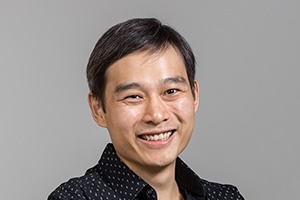
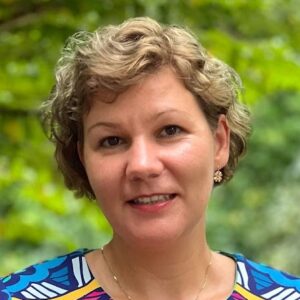
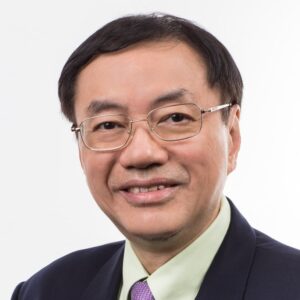
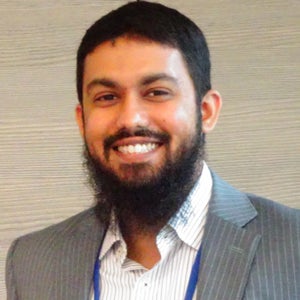
  • Sacha EPSKAMP, Dept of Psychology, FASS
  • Adela ISVORANU, Dept of Psychology, FASS
  • Godfrey YEUNG, Dept of Geography, FASS
  • Subhayan Mukurjee, Dept of Communications & New Media, FASS

Name of Facilitator(s)

Principal Facilitator: LEE Kooi Cheng, Centre for English Language Communication (CELC) (elcleekc@nus.edu.sg)
Co-Facilitator: ONG Pei Shi, Dept of Pharmacy & Pharmaceutical Sciences,  Faculty of Science (FOS) (phaops@nus.edu.sg)

In recent decades, there has been a rise in students with physical disabilities, various learning disabilities and emotional and psychological conditions (Altes et al., 2024; Kendall, 2016; Moriña, 2016). Such disabilities can sometimes lead to breakdown in communication, disruptions during lessons, awkwardness, discomfort, and tension. Addressing diversity in student needs effectively requires a focus on inclusivity. Takayama (2023) emphasises that inclusion is not synonymous with diversity; rather, it involves creating an environment where everyone’s contributions are valued.

In higher education, key challenges to advancing inclusive education include teacher perceptions and readiness (Collins et al., 2018; Kendall, 2016; Moriña, 2016) and institutional policies (Takayama, 2023). Common approaches to implement inclusive education include curriculum design, pedagogical strategies, awareness initiatives, and the provision of support and resources. However, inclusive pedagogical approaches focusing on strengthening relationships and enhancing cultural competency within a higher education context appears to be limited.

Our Learning Community (LC) aims to identify pedagogical practices that foster and strengthen peer-to-peer and instructor-student relationships so as to promote inclusion within an increasingly diverse classroom. To achieve this, we draw on literature on inclusion (pre-tertiary and tertiary) as well as Felten and Lambert’s (2020) two principles for building peer-to-peer interaction: positive interdependence and individual accountability. Additionally, for faculty-student relationships, we focus on building meaningful personal connections and communicating in ways that both support and challenge learning.

We intend to conduct literature review, discuss scenarios, and learn from experts through dialogue sessions. By the end of the project, we intend to develop a guide for educators that focuses on inclusive pedagogical practices for students with diverse learning needs. The guide will feature (a) scenarios and use cases for contextualisation; and (b) pedagogical strategies/practices for the respective scenarios; and (c) recommended sources that are relevant to the NUS context.

Members:

  • WONG Jock Onn, CELC
  • SEAH Zong Long, Office of the Provost (PVO)
  • YUEN Yim Yee, Agnes, Office of Student Affairs (OSA)
  • CHEW Sui Tjien, Lita, Dept of Pharmacy & Pharmaceutical Sciences, FOS 
  • KOH Shi Jing, Nicolette, Dept of Pharmacy & Pharmaceutical Sciences, FOS 
  • Gabriel LEE Keng Yan, Faculty of Dentistry
  • Sowmya Sathish, Dept of Architecture, College of Design & Engineering (CDE)
  • May KOH, Science Dean’s Office, FOS

Name of Facilitator(s)

Principal Facilitator: LEUNG Wing Sze Evelyn, NUS College (wleung@nus.edu.sg)
Co-Facilitator: HWANG Wei Song, Lee Kong Chian Natural History Museum (LKCNHM), NUS College (weisong@nus.edu.sg)

In this Learning Community (LC), we will explore what Problem-based Learning (PBL) is, how to implement it, and how to assess student learning in the problem-based pedagogical environment. By PBL, we refer primarily to a method in syllabus design which makes use of a real-world problem as the vehicle of learning. Students usually need to unpack the problem and understand what scholars have said about it before looking for available solutions. In addition to being a method of syllabus design, it can also be an approach in designing individual class sessions or assignments.

Participants in this LC will read up on the scholarly literature about PBL, engage in active conversations, share best practices, and develop strategies to implement PBL in their courses. Workshop sessions will provide hands-on opportunities for colleagues to apply new techniques in their teaching and learn from one another.

The LC also encourages collaboration across different disciplines, enabling faculty members to gain diverse perspectives and insights that enhance their teaching approaches.

Members:

  • Jonathan KANG, NUS College
  • SAM Shu Qin, NUS College
  • Michelle LEE, NUS College
  • Jodie LUU, CELC; FASS
  • Claire Ann CANNING, Yong Loo Lin School of Medicine (YLLSOM)
  • Jose-Christopher Escano MENDOZA, LKCNHM, NUS College
  • Theresa SU, Dept of Biological Sciences, FOS
  • CHAN Kiat Hwa, NUS College
  • LOO Yoke Leng, NUS College

Name of Facilitator(s)

Principal Facilitator: GOH Shu Ting, Dept of Electrical & Computer Engineering, CDE (elegst@nus.edu.sg)
Co-Facilitator: Jonathan FROME, NUS College (frome@nus.edu.sg)

This multidisciplinary learning community (LC) focuses on sharing and learning the teaching methodology from each other. The LC team consists of members from the Departments of Electrical and Computer Engineering, Engineering Design and Innovation Centre, as well as the College of Humanities and Sciences, and NUS College. The primary objective of this LC is to explore effective methods to guide students in project idea formulation, preparation, and presentation.

To achieve the objective, this LC intends to study the following three pedagogy strategies (or framework) in literature:

  • The Project Design and Guidance methods by Javier and Jorge Enrique (2017)
  • Critical Thinking in Higher Education by Davies and Barnett (2015)
  • Tailoring Education with GenAI by Karpouzis, Pantazatos, Taouki, and Meli (2024)

The reading experience of the three pedagogy strategies is shared among LC members during the monthly activities, to allow members to formulate alternative teaching strategies. In addition, LC members are encouraged to attend each other’s teaching sessions for observation purposes. Furthermore, LC member to share their technology-enhanced learning tool experiences. The objective is to allow members to explore and experiment with an alternative teaching method for student project guidance.

Members:

  • Uyen T. NGUYEN, Dept of History, FASS
  • CAI Shaoyu, Dept of Engineering Design & Innovation Centre, CDE
  • Jovan TAN, Dept of Engineering Design & Innovation Centre, CDE
  • LIN Feng, Dept of Electrical & Computer Engineering, CDE

Name of Facilitator(s)

Principal Facilitator: Peter Thomas VAIL, NUS College (pvail@nus.edu.sg)
Co-Facilitator: Julius BAUTISTA, NUS College (julius@nus.edu.sg)

Our LC emerges from the lessons we learned engaging with students through a previous TEG LC grant, supporting the Service Impact Learning Community (SILC). Among the outcomes of that initial platform, we identified video assignments as a crucial aspect of Impact Experiences (IEx) that students and faculty were having difficulty with. In this proposal, we focus our efforts specifically on improving those video-based assessments. The LC is comprised of IEx faculty and select undergraduate students, all voluntary, and focused on addressing the assessments in NUSC’s capstone experiential learning/service learning course. IEx faculty supervise undergraduate groups of 6-7 students, who undertake a social impact project of their own design in Singapore, or regionally in ASEAN countries. Students have two years to complete their projects. Video-based assessments are an ideal mode in which to capture the rich experiential nature of IEx (Carver and Collins, 2021; Hawley and Allen, 2018; Thomas and Marks, 2014; Cardace et al, 2024; Epps et al, 2021; Greene, 2014; Kuchel et al, 2014), and while both faculty and students of the LC have some competencies in using video, our current assessments do not optimally advance the academic goals of IEx, and they place unreasonable expectations on student performance.

Members:

  • Jessica LEE, NUS College
  • LIM Chee Han, NUS College
  • Alberto Perez PEREIRO, NUS College
  • Keng Khoon NG, NUS College

Name of Facilitator(s)

Principal Facilitator:
Shelley GUYTON, Dept of Political Science, FASS (stguyton@nus.edu.sg)

Co-Facilitators:

Interpersonal events play a crucial role in teacher identity and student learning. This includes the historical construction of the ways in which we relate to each other in higher education, the student-teacher relationship in particular (Olson, 2016; Alsup, 2019). In light of NUS’ recent efforts to build a more inclusive and equitable university, as well as our own commitments to redefining what quality education is, we wish to use the Learning Community (LC) format to explore questions about the opportunities and challenges with reshaping learning environments toward more personal awareness and care. For example: Can care and informed awareness of our learning relationships foster to better learning? How can we go about designing these into the ways we teach (and according to different disciplinary or classroom needs)? The literature on pedagogies of care and relationality have demonstrated that the implementation of these pedagogies can positively impact student learning experiences and outcomes (Olson, 2009; Noddings, 2013; Lygo-Baker et al., 2019; Gravett, 2023). This LC will serve as a space for a small group of NUS educators across disciplines to share and discuss ideas for integrating pedagogical strategies in service of developing kinder, caring, and more connected learning environments.

Members:

  • Menusha de SILVA, Dept of Geography, FASS
  • Jennifer ESTES, Dept of Sociology & Anthropology, FASS
  • Robin LOON, Dept of English, Linguistics & Theatre Studies, FASS
  • Lisabelle TAY, College of Humanities & Sciences, FASS
  • Jenson DEOKIESINGH, CELC

Name of Facilitator(s)

Principal Facilitator: CHEONG Siew Wah, Grace, SingHealth Duke NUS Global Health Institute (SDGHI)(swcheong@nus.edu.sg)
Co-Facilitator: Glen KOH, SDGHI (glen@duke-nus.edu.sg)

The Learning Community (LC) will be made up of faculty members, research fellows, and education associates in the SingHealth Duke NUS Global Health Institute (SDGHI) who will be involved in teaching the multidisciplinary Global Health courses offered by the Institute. In the next semester, SDGHI will run 2 postgraduate programmes – the Graduate Certificate in Global Health Practice in Asia as well as the Graduate Certificate in Global Health Innovation that will involve the discussion of Asian case studies. The LC will be dedicated to studying the art of discussion leadership through the use of cases in the classroom. An expert in the case method will be invited to share and demonstrate the art of skilful facilitation and thereafter each member in the LC will take turns during each meeting to apply the knowledge gained and skills acquired by leading a case discussion among its members. Peer learning and support will take place as the rest of the members critique their peers, share their learning reflections, and discuss ideas for change and improvement.

Members:

  • Natasha TAI, SDGHI
  • KAUNG Suu Lwin, SDGHI
  • Anne Claire STONA, SDGHI
  • Vincent PANG, SDGHI
  • Taufique JOARDER, SDGHI
  • Renzo GUINTO, SDGHI
  • KHOO Yoong Khean, SDGHI
  • Gayathri Devi D/O Nadarajan, SingHealth Duke-NUS Emergency Medicine Academic Clinical Programme

Name of Facilitator(s)

Principal Facilitator: Susan LEE, CELC (elclmss@nus.edu.sg)
Co-Facilitator: Anita TOH, CELC (elcatal@nus.edu.sg)

How does the teacher-student relationship (TSR) motivate learning and impact teachers’ wellness?

As graders of their work, teachers cannot develop individual relationships with students.” (Felten, 2024). Yet, teachers’ care and approachability are significant to student engagement (Tormey, 2021). The caring teacher also pays attention to students’ wellness and responds duly to text messages outside class. Concerns for boundary-setting, teachers’ wellness, and the attention paid to intergenerational engagement (Mahesh, 2021), impact teachers’ obligations to sustain positive TSR. While students’ perceptions of teachers’ relatability and credibility can affect motivation (Tormey, 2021), in turn teachers’ concern about the impact of engagement on student feedback can affect their wellness (Hagenauer & Volet, 2014).

The LC will investigate factors and possible tensions contributing to TSR in HE. We will engage colleagues from different generational groups to share TSR experience and evaluate if there have been nuanced changes in ways of building positive TSR over time. We will review literature like relationship-rich education, survey NUS students on their perceptions of positive TSR. We hope to build on TSR theories by evaluating their relevance in our context, uncover any tensions, and make recommendations for developing healthy, positive and realistic TSRs that enhance students’ motivation and support teachers’ wellness in HE.

Members:

  • Jodie LUU, CELC
  • Amelyn Anne THOMPSON, CELC
  • HAH Sixian, CELC
  • CAO Feng, CELC
  • Jonathan PHAN, CELC
  • Corinne ONG, Ridge View Residential College (RVRC)
  • Ian TAN Jian Ann, College of Design & Engineering (CDE)

Name of Facilitator(s)

Principal Facilitator: Alex MITCHELL, Dept of Communications & New Media (CNM), FASS (alexm@nus.edu.sg)
Co-Facilitator: Daniel JEW, College of Alice & Peter Tan (CAPT); Dept of History, FASS (danieljew@nus.edu.sg)

Play is often recognised as an important part of early childhood education but is underutilised and devalued in higher education. This is somewhat puzzling as play has been found to cultivate relational safety and a warm classroom environment, remove barriers to learning, and awaken students’ positive affect and motivation (Forbes, 2021). Anecdotal evidence suggests that at NUS, students perceive no space for play in their undergraduate education, which aligns with observations at other educational institutions (Wallin et al., 2021). Despite this, several NUS faculty members are indeed experimenting with playful approaches to teaching and learning, which questions the assumption that there is no space for play at NUS. This Learning Community (LC) aims to bring together colleagues who are exploring, or plan to explore, playful pedagogical practices to share their ideas, experiences, best practices, and obstacles encountered. The LC will also be open to colleagues who want to incorporate playful pedagogical practices, but have not yet had the courage, inspiration or opportunity to do so. The learning community will aim to meet regularly for sharing sessions, discussions, and peer observations of teaching to better understand the challenges faced and best practices related to teaching from a playful perspective. Meetings will also involve brainstorming and workshopping new ideas for playful teaching to be incorporated in upcoming teaching by members of the LC.

The LC’s activities will culminate in a workshop for the NUS community, an online repository of resources, and a paper or poster presentation at an educational conference such as the Higher Education Conference in Singapore (HECS) to further share playful approaches to teaching and learning. The ultimate aim is to move closer to a vision of what can be considered a “playful university” (James, 2019; Nørgård, 2021).

Members:

  • Chris McMORRAN, Dept of Japanese Studies, FASS
  • Olivier LEFEBVRE, Dept of Civil & Environmental Engineering, CDE
  • ONG Ee Cheng, Dept of Economics, FASS
  • Ahmed Hazyl Hilmy, CNM, FASS
  • Sherice NGASERIN, Dept of Philosophy, Yale-NUS College (YNC)

Name of Facilitator(s)

Principal Facilitator: TAN Wee Kek, Dept of Information Systems & Analytics, School of Computing (SOC) (wee-kek.tan@nus.edu.sg)
Co-Facilitator: Akshay Narayan, Dept of Computer Science, SOC (akshay.narayan@nus.edu.sg)

The number of students in the class has been steadily increasing in recent years. Large classes often lead to reduced student engagement and limit the development of positive relationships between teachers and students, as well as among the students themselves. Many educators use classroom response systems (CRS) to engage students in these large classes. Our goal is to study the effectiveness of such CRS and identify alternative methods—whether technology-based or not—that can enhance student engagement in large classes. By the end of the Learning Community (LC) term, we aim to propose interventions that could benefit academic staff teaching large classes.

Members:

  • YANG Lu, Dept of Information Systems & Analytics, SOC
  • Jithin Vachery, Dept of Computer Science, SOC
  • Prasanna Karthik Vairam, Dept of Computer Science, SOC
  • Anandha Gopalan, Dept of Computer Science, SOC

Name of Facilitator(s)

Principal Facilitator: CHUA Dingjuan, Dept of Electrical & Computer Engineering, CDE (elechuad@nus.edu.sg)
Co-Facilitator: CHEN Hui-Chen, Alice Lee Centre for Nursing Studies, Yong Loo Lin School of Medicine (huichen@nus.edu.sg)

This Learning Community (LC) aims to deepen the understanding of student motivation and enhance it by exploring effective classroom strategies, subject-specific contexts, and opportunities for student collaboration.

Members:

  • Henry TAN, Dept of Electrical & Computer Engineering, CDE
  • Vivian NG, Dept of Electrical & Computer Engineering, CDE
  • ZHANG Jianwen, Dept of Electrical & Computer Engineering, CDE
  • Annie Kumar, Dept of Electrical & Computer Engineering, CDE
  • XU Yuecong, Dept of Electrical & Computer Engineering, CDE
  • Rajesh Panicker, Dept of Electrical & Computer Engineering, CDE
  • Theivendiram Pranavan, Dept of Electrical & Computer Engineering, CDE

2023

Name of Facilitator(s)

Principal Facilitator: LIM Li Hong Idris, Engineering Design and Innovation Centre, College of Design & Engineering (CDE) (lhi.lim@nus.edu.sg)
Co-Facilitator: Elliot LAW, Engineering Design and Innovation Centre, CDE (elliot.law@nus.edu.sg)

The Engineering Design and Innovation Centre (EDIC) provides the second major and minor in Innovation and Design under the College of Design and Engineering (CDE). Students complete at least one major interdisciplinary course, which is taught by more than 10 educators from different disciplines.

Our LC set out to overcome barriers in learning together for teachers, build a culture and platform of openness and trust. Currently, educators find it challenging to approach a trusted member of staff for advice on teaching and learning issues. It has also been observed that students in some teams struggle to overcome disciplinary influence and work together on interdisciplinary learning.

Through a structured approach, we aspire to help educators “decouple” themselves from the challenges at hand and discuss how students can learn to work in an interdisciplinary team and develop their evaluative judgement. We will also explore innovative evidence-based approaches for interdisciplinary education, especially in how an educator can guide students in interdisciplinary projects that are not in the educator’s discipline of knowledge. By involving educators trained in different disciplines, we hope to forge a collaborative and inclusive environment for interdisciplinary education, starting from within EDIC.

Members:

  • Andi Sudjana Putra, Engineering Design and Innovation Centre, CDE
  • Jovan TAN, Engineering Design and Innovation Centre, CDE
  • Aleksandar KOSTADINOV, Engineering Design and Innovation Centre, CDE
  • LEE Sang Won, Engineering Design and Innovation Centre, CDE
  • Mark Philip DE LESSIO, Engineering Design and Innovation Centre, CDE
  • Alvin POH, Engineering Design and Innovation Centre, CDE
  • Annie TAN, Engineering Design and Innovation Centre, CDE

Name of Facilitator(s)

Principal Facilitator: LAM Siew Hong, Dept of Biological Sciences, Faculty of Science (FOS) (dbslsh@nus.edu.sg)
Co-Facilitator: LIM Xin Xiang, Dept of Biological Sciences, FOS (xinxiang@nus.edu.sg)

Pedagogical Action Research (PAR) is useful for enhancing teaching practices and enriching students’ learning experiences through an evidence-based approach. This learning community (LC) will focus on PAR, recognising that NUS educators who are trained in their respective disciplines, often lack professional training in pedagogical research. Comprising 12 members, including 5 senior and 7 junior educators, this LC aims to support discipline-trained teachers in embarking or continuing with PAR to enhance/improve teaching and learning (T&L) practices. Members will not only gain knowledge to enhance their own T&L practices but will also develop actionable steps for classroom implementation and capture the evidence of enhancement.

The LC’s planned activities will revolve around five phases of PAR within a year: i)observing and reflecting on current T&L challenges, ii) identifying specific problems and proposing actionable solutions, iii) designing PAR plans, iv) implementing PAR plans and collecting data, followed by v) analysing, evaluating, and communicating the findings. The success of the LC will be measured by the number of PAR conducted and the dissemination of PAR findings. The LC will encourage greater collaboration in PAR and enhance our T&L practices. The knowledge and experience gained from this LC will be shared with the broader community.

Members:

  • WU Jinlu, Dept of Biological Sciences, FOS
  • CHOONG Choong Mei Fun, Dept of Biological Sciences, FOS
  • Zeehan Jaafar, Dept of Biological Sciences, FOS
  • CHUA Siew Chin, Dept of Biological Sciences, FOS
  • Robert LIEU Zi Zhao, Dept of Biological Sciences, FOS
  • Dr Maxine Allayne Darlene MOWE, Dept of Biological Sciences, FOS
  • CHAN Zhi Wen, Ian, Dept of Biological Sciences, FOS
  • Shawn LEE Ming Yang, Dept of Biological Sciences, FOS
  • Theresa SU, Dept of Biological Sciences, FOS
  • Matthew LIM Lek Min, Dept of Biological Sciences, Faculty of Science

Name of Facilitator (s)

Principal Facilitator: YUE Ling, Dept of Finance, NUS Business School (bizyue@nus.edu.sg)
Co-Facilitator: LEE, Yen Teik, Dept of Finance, NUS Business School (yenteik@nus.edu.sg)

This community is dedicated to pioneering the development and exploring the potential of an AI Teaching Assistant (TA) powered by the innovative Retrieval Augmentation Generation (RAG) technology. Unlike traditional Large Language Models (LLMs) like ChatGPT, which can provide inaccurate, outdated, or generic information, RAG leverages an information retrieval system to ground responses in factual data, ensuring greater control, accuracy, and contextualization. We aim to investigate whether and how this RAG-based AI TA can enhance faculty teaching effectiveness across various areas, including:

  1. Elevating pedagogical focus: Freeing up educators’ time for higher-order cognitive questions.
  2. Enhancing explanation delivery: Crafting more intuitive and engaging explanations tailored to individual student needs.
  3. Empowering creative assessment: Facilitating innovative and goal-aligned assessments for deeper student engagement.
  4. Promoting efficient and accurate grading: Contributing to a more efficient, consistent, and accurate grading system.

We will actively evaluate the efficacy and impacts of this technology across diverse academic disciplines, ensuring its widespread adoption and optimal benefit for all.

Members:

  • LIU, Qizhang, Dept of Analytics & Operations, NUS Business School
  • Deserina SULAEMAN, Dept of Finance, NUS Business School
  • SHIN, Sa-Pyung Sean, Dept of Accounting,NUS Business School
  • Jonathan Y. H. SIM, Dept of Philosophy, Faculty of Arts & Science

Name of Facilitator (s)

Principal Facilitator: Joel CHOW Ken Q, NUS College & Dept of Philosophy, Faculty of Arts & Social Sciences (FASS) (joelchow@nus.edu.sg)
Co-Facilitators:
1. Daryl OOI Shen (dooi90@nus.edu.sg)
2. Shivani Gupta (shivanigupta@nus.edu.sg)

Interdisciplinary education requires students to draw connections and insights across disciplines to gain new insights, understandings, and potentially solutions to complex multi-dimensional phenomena. In short, it requires students to integrate different disciplinary perspectives. To achieve these goals, university teachers often engage a dialogical teaching method in the hope of encouraging students to collaborate and engage across disciplinary boundaries. However, in our teaching practice, we have noticed that students tend to adopt a singular disciplinary perspective, which inhibits their ability to pick up on divergent insights crucial to developing interdisciplinary knowledge (Heiman, 2014). Students also often have difficulty engage in interdisciplinary communication and conflict resolution (Xu et al., 2022).The literature on dialogical teaching suggests that dialogical teaching can be a vital tool in overcoming these issues: by emphasizing the importance of different perspectives (Wegerif et al. 2022), and by giving students the opportunities and skills to engage with communication with students from diverse academic backgrounds and resolve differences, dialogical teaching has been shown in the literature to improve students’ interdisciplinary communication and conflict resolution skills (Carrion et al., 2020).This learning community (LC) thus seeks to better understand the literature on the dialogical teaching itself. We will read key works in the literature on dialogical teaching, with special focus on the relationship between dialogical teaching and interdisciplinary learning.Based on the collective understanding gained, we will identify, design, and implement an actual intervention in our own teaching practice in Semester 2, with the help of frameworks provided in Alexander 2020. Members will support one another by providing constructive pre- and post-feedback on the intervention and providing an informal classroom observation for another member. The reflections on the interventions will be posted on the LC’s blog. Our activities will culminate in a joint workshop, reflectively sharing with the rest of the NUS Community on the interventions and growth towards more dialogical teaching and interdisciplinary learning.

Members:

  • Jinna TAY, Dept. of Communications & New Media, FASS
  • YEO Shang Long, Dept of Philosophy, FASS
  • Shawn WEE, Dept of Philosophy, FASS
  • Melvin NG, Dept of Philosophy, FASS
  • Gautham Kumaran (undergraduate student), NUS College/College of Design & Engineering 

Name of Facilitator (s)

Principal Facilitator: Christian von der Weth, Dept of Computer Science, School of Computing (SoC) (dcscvdw@nus.edu.sg)
Co-Facilitators: Jithin Vachery, Dept of Computer Science, SoC (dcsjith@nus.edu.sg)

Many SoC courses face large and still increasing class sizes. Providing an excellent and memorable learning experience for students is exceedingly challenging with classes having 300, 500 or even more students. These challenges include maximising students’ engagement, designing appropriate assessments, but also managing large teaching teams. While many established and recommended teaching methods exist, they are (a) often not directly applicable to (very) large classes in the context of CS courses, and (b) typically focus on students’ perspective. We argue that addressing the pain points of course coordinators is equally important, as it will also directly affect students’ experiences and perceptions. The purpose of our Learning Communities – all members coordinate courses with 300+ students at SoC – is to create and provide Guidelines & Best Practices for teaching large CS courses. This deliverable will be made publicly available across all faculties at NUS. It is also intended to serve as a recommendation to CDTL to advance the Professional Development Programme Teaching (PDP-T), which is an excellent initiative particularly for new faculty members.

Members:

  • Daren LER Shan Wen, Dept of Computer Science, SoC
  • Akshay Narayan, Dept of Computer Science, SoC
  • Prabhu Natarajan, Dept of Computer Science, SoC
  • Adi Yoga Sidi Prabawa, Dept of Computer Science, SoC
  • Nitya Lakshmanan, Dept of Computer Science, SoC
  • Ashish Deepak Dandekar, Dept of Computer Science, SoC
  • Boyd ANDERSON, Dept of Computer Science, SoC

Name of Facilitator (s)

Principal Facilitator: YEONG Foong May, Dept of Biochemistry, Yong Loo Lin Sch of Medicine (YLLSoM) (bchyfm@nus.edu.sg)
Co-Facilitators:
1. Mr John YAP, Interreality Technology, NUS IT (johnyap@nus.edu.sg)
2. Dr FUNG Fun Man, Dept of Chemistry, Faculty of Science (FOS) (chmffm@nus.edu.sg)

This learning community comprises faculty members, teaching support staff, and NUS IT staff from different faculties, departments, and units. One key aim is to learn collaboratively about Augmented/Virtual Reality (AVR) technologies to keep up to speed about its uses in higher education from established literature. We also aim to share practices among ourselves who have used AVR in our teaching and learning activities and understand the best practices in the context of NUS. We also hope to reach out to colleagues and students to share and hear from them about AVR. ultimately, the goal is to curate a body of knowledge around AVR in among our teaching and learning community and support the use of AVR to enhance our teaching and learning in NUS.

Members:

  • Greg TUCKER-KELLOGG, Dept of Biological Science, FOS
  • LEE Seow Chong, Dept of Biochemistry, YLLSoM
  • CHEW Yuanyuan, Dept of Biochemistry, YLLSoM
  • Reuben Manjit Singh, Dept of Biochemistry, YLLSoM
  • Rosalind SIAH Chiew Jiat, Alice Lee Centre for Nursing Studies, YLLSoM
  • Erica ENG, Alice Lee Centre for Nursing Studies, YLLSoM
  • GOH Yang Miang, Department of Built Environment, CDE
  • MAK Hon Keat, Interreality Technology, NUS IT
  • HAN Jia Yi, Dept of Chemistry, FOS
  • Eslam Hamed Ahmed Mahmoud, Dept of Chemistry, FOS
  • Cyrus HO Su Hui, Department of Psychological Medicine, YLLSoM

Name of Facilitator(s)

Principal Facilitator: Piyanee YOBAS, Alice Lee Centre for Nursing Studies, Yong Loo Lin Sch of Medicine (YLLSoM) (nurpk@nus.edu.sg)
Co-Facilitator: Jeanette IGNACIO, Alice Lee Centre for Nursing Studies, YLLSoM (nurimjj@nus.edu.sg)

Artificial intelligence (AI) has received great attention by educators worldwide. It is of great importance that NUS educators are well-equipped with AI knowledge and skills. The NUS AI-Health Community will be established with two short-term goals. The first one is to initiate a platform for educators and interested participants to connect, learn AI-related knowledge, support each other, and generate new ideas to apply AI in healthcare education. The second goal is to improve quality of teaching through the utilization of AI technology, which can be utilised as a single tool or in combination with other teaching methods. The NUS AI-Health Community will comprise of faculty members, graduate students, and research assistants from NUS Medicine, NUS Nursing and School of Engineering. Faculty members from top two universities (Mahidol and Chulalongkorn University) in Thailand will also be part of the regional collaboration. Furthermore, long-term goals will involve the sustainability of the NUS AI-Health Community. Online platforms (such as AI-Health website, Telegram, and/or You Tube) can be created as a sharing platform for NUS educators and other interested participants. Additionally, AI knowledge learned from this project can be used to apply for future grant applications (such as Ministry of Education Grant) in the future.

Members:

  • Vivien WU, Alice Lee Centre for Nursing Studies, YLLSoM
  • Siriwan LIM, Alice Lee Centre for Nursing Studies, YLLSoM
  • Tanushri ROY, Alice Lee Centre for Nursing Studies, YLLSoM
  • Prahlad VADAKKEPAT, Dept of Electrical & Computer Engineering, CDE
  • CHUA Chua Chin Heng Matthew, YLLSoM
  • Konokwan HOUNSRI, Alice Lee Centre for Nursing Studies, YLLSoM
  • Anshul Gupta, Alice Lee Centre for Nursing Studies, YLLSoM
  • Nopporn VONGSIRIMAS, Department of Mental Health & Psychiatric Nursing, Faculty of Nursing, Mahidol University, Thailand
  • Paungpet KASORNSAMUT, Department of Mental Health & Psychiatric Nursing, Faculty of Nursing, Mahidol University, Thailand
  • Yupin AUNGSUROCH, Faculty of Nursing, Chulalongkorn University, Thailand
  • Joko GUNAWAN, Faculty of Nursing, Chulalongkorn University, Thailand

Name of Facilitator(s)

Principal Facilitator: Linda HONG, Dept of Pharmacy, Faculty of Science (FOS) (lin.hong@nus.edu.sg)
Co-Facilitator: George Baylon RADICS, Sociology & Anthropology, Faculty of Arts & Social Sciences (FASS) (socrgb@nus.edu.sg)

Oppenheimer did not foresee the impact of his creation, and neither did Great Britain, who bartered opium for tea, foresee the devastation on human health across China. In the modern era, arts students tend to approach science topics with hesitation while students with a background in science tend to overlook humanity with pragmatic solutions. Furthermore, embedded in the Singaporean education system is a hierarchy of disciplines, fostered by rigid testing and grade point cut offs for specific majors. When faced with an opposing discipline, students hold on to certain biases and fears that ultimately need to be overcome to nurture malleable and interdisciplinary thinking. The learning community aims to share, discuss and build upon our teaching strategies to improve student appreciation of interdisciplinarity between the arts and sciences, and facilitate malleability in not just the students’ ways of thinking but also educators’. A survey will be used to measure the student experience, specifically by measuring inter and intra-major attitudes towards interdisciplinary teaching in order to develop more effective IDC teaching strategies.

Members:

  • CHNG Hui Ting, Dept of Pharmacy, FOS
  • Maiya MURPHY, Dept of English, Linguistics & Theatre Studies, FASS
  • YANG Jiahui, Abel, Dept of Physics, FOS
  • Nawaz Muhammad, Dept of Geography, FASS
  • Adelyn LIM, Dept of Anthropology, FASS
  • Jennifer ESTES, Dept of Anthropology, FASS
  • Kiruthika Ragupathi, Centre for Teaching, Learning & Technology (CTLT)
  • Veronica L. GREGORIO, Dept of Sociology & Anthropology, FASS
  • Ali Kassem, Dept of Sociology & Anthropology, FASS

Name of Facilitator(s)

Principal Facilitator: Navarun Varma, Residential College 4 (RC4) (rc4nav@nus.edu.sg)
Co-Facilitators:
1. Sreeja Nair, Lee Kuan Yew School of Public Policy (LKYSPP) (sreeja@nus.edu.sg)
2. Sasidaran Gopalan, LKYSPP (sgopalan@nus.edu.sg)

Policy education is referred to as a “landscape” since learning about real-world policy issues has expanded from the core discipline of public policy and blended into the interdisciplinary curricula of general education, business, humanities and sciences, leadership programs, and design and engineering. Education for sustainable development (ESD) has focused on the need for competencies for imagination for transformative changes, systems thinking to understand the interdependencies of human-environmental health, and emotional intelligence to act and cope with crisis. ESD pushes the boundary of learning from expert-driven interdisciplinary content to transdisciplinarity and social learning. The discourse encourages for co-production of knowledge through engaging students with real-world problem situations and the wisdom of stakeholders.

This Learning Community (LC) will create a network to –

  1. Explore and map the repertoire of pedagogies that have been used in NUS and elsewhere in Asia for sustainability-related policy education courses.
  2. Brainstorm about the evidence on learning from such pedagogies, unpack their impact, and evaluate their potential to practice the essential tenet of ESD, i.e. collaborative environment for mutual learning among students, educators, experts, and extra-scientific actors.
  3. Synthesise key design principles for impact-driven policy education from these pedagogical practices and their evidence.

Members:

  • Corinne ONG, Ridge View Residential College & LKYSPP
  • J. J. WOO, LKYSPP
  • Victoria Jane MARSHALL, College of Design and Engineering (CDE)
  • Kevin S. Y. TAN, Chua Thian Poh Community Leadership Centre
  • Bernise ANG, RC4
  • Kiruthika Raghupati, Centre for Teaching, Learning & Technology
  • Willoughby Niki LEE YanXing, Chua Thian Poh Community Leadership Centre
  • Muhammad Daud, LKYSPP

Name of Facilitator(s)

Principal Facilitator: Akshay Narayan, Dept of Computer Science, School of Computing (SoC) (dcsaksh@nus.edu.sg)
Co-Facilitator: LIEU Zi Zhao, Dept of Biological Sciences, Faculty of Science (FOS) (dbslzz@nus.edu.sg)

We are seeking funding for our Learning Community project, which seeks to facilitate faculty engagement through improved video production techniques, thereby enhancing teaching practices. Our proposal addresses three primary objectives:

  1. Best Practices Compilation: Through thoroughly reviewing the literature and establishing a collaborative platform within Learning Communities (LCs), we aim to create a valuable resource on effective educational video production and how they can be better integrated into the scheme of blended learning courses. This guide will offer practical insights and techniques, benefiting educators across various teaching frameworks.
  2. Identifying Faculty Challenges: We plan to conduct surveys and workshops to understand the specific challenges faculty face in educational video production and the resistance to implementing a blended learning mode. By pinpointing these pain points, we can tailor recommendations and support, fostering a culture of experimentation and innovation among educators.
  3. Increase Student Engagement Rate: We plan to survey the literature as well as conduct discussions with undergraduate and graduate students on why they are not motivated to watch the educational video prior to class and how we can use best practices to increase student engagement with the material prior to class.

By supporting this initiative, you contribute to the professional development of educators, promoting collaborative learning and technological proficiency across diverse teaching methodologies.

Members:

  • Timothy BARKHAM, Dept of Microbiology & Immunology, Yong Loo Lin School of Medicine
  • Marissa E Kwan Lin, Centre for English Langugae Communication
  • CHONG Yuan Yi, Dept of Chemistry, FOS
  • YU Jihang, Dept of Material Science and Engineering, College of Design & Engineering
  • Verily TAN, Centre for Teaching, Learning & Technology (CTLT)
  • Lisa BRENNAN, Dept of Pharmacy, FOS

Name of Facilitator(s)

Principal Facilitator: HO Chee Kong, Yong Siew Toh Conservatory of Music (YSTCoM) (mushock@nus.edu.sg)
Co-Facilitator: Harris ANG, YSTCoM (musha@nus.edu.sg)

Our proposed learning community (LC) will focus on refining and enhancing music performance assessment methods and rubrics used in the conservatory. This collaborative initiative aims to address the challenges associated with current assessment practices, which rely largely on qualitative evaluations by jury members in a panel and a high degree in artistic judgments. With the current few quantifiable assessment indicators, the comments that students receive from the panel are often not sufficient enough to be more constructive and pedagogically useful to them to mount a better performance in the next jury evaluation. The Effective Music Performance Assessment Methods and Rubrics LC will bring together faculty members and professional staff who are experts in performance, pedagogy, and assessment. Participants will collaborate to develop pedagogically sound, objective, and transparent assessment methods and rubrics, creating a more equitable and constructive evaluation process that enhances student learning and artistic performance.

Members:

  • Brett STEMPLE, YSTCoM
  • CHAN Tze Law, YSTCoM
  • TAN Wei Boon, YSTCoM
  • YAP Zi Qi, YSTCoM

2022

Name of Facilitator(s)

Principal Facilitator: HO Chee Kong, Yong Siew Toh Conservatory of Music (mushock@nus.edu.sg)
Co-Facilitator: CHAN Tze Law (tzelaw@nus.edu.sg)

Traditional conservatory education relies on a master-apprentice model and is focused on developing students’ domain expertise to become professional musicians. However, with the evolution of the music industry and disruption from digitalisation, the skills and dispositions that musicians thus require would go beyond artistic mastery and presupposes critical understanding and ability to conceptualise, frame, and implement their art in a manner that is most relevant to their audiences. As such, we propose that aspects of students’ education should extend to encompass interdisciplinary dimensions while
maintaining a strong artistic core.

Our Collaborative Instruction for Interdisciplinary Education in Music learning community consists of faculty members who are practising musicians, scholars, and community leaders in the music industry. This teaching community is an evolution from the traditional master-apprentice model through a process of co-mentoring, co-instruction, and collaboration, students are thus able to tap on the various expertise from the team of mentors.

The aim of this learning community is to develop approaches and strategies to maximise the effectiveness of this process of collaborative instruction as it is a new approach to teaching at the Conservatory.


Members:

  • Frances LEE, Yong Siew Toh Conservatory of Music (YSTCM)
  • MIAO Kaiwen, YSTCM
  • Xavier TAN, YSTCM
  • Rachel HO, YSTCM
  • Benedict NG, YSTCM
  • SOONG Swee Kit Alan, Centre for Development of Teaching and Learning

Name of Facilitator(s)

Principal Facilitator: TAN Kok Hian, Duke-NUS Medical School (gmstankh@nus.edu.sg)
Co-Facilitator: LOH Huey Peng, Duke-NUS Medical School (annie05@nus.edu.sg)

Patient Safety is the cornerstone of high-quality and high-reliability health care and aims to prevent and reduce any potential risks, errors and harm in healthcare as well as to share best practices to deliver optimal care for the population. The newly approved Duke-NUS Graduate Certificate, NUS Graduate Diploma and NUS Master’s in Patient Safety & Healthcare Quality build expertise for this new domain. We are currently developing & finetuning the full curriculum to better serve the learners.

The TEG Community of Learning Inter-professionally for Patient Safety (CLIPS) is a new initiative that seeks to strengthen connections among teaching faculty for Patient Safety and hope to create supportive networks for teaching of this new domain at NUS. The purpose of the learning communities will engage in focused and sustained discussion of specific aspects of patient safety and health quality which is of mutual concern to the interprofessional group.


Members:

  • CHOW Mun Hong, Duke-NUS Medical School
  • Fatimah LATEEF, SingHealth Duke NUS Institute of Medical Simulation
  • Lita CHEW, Dept of Pharmacy/Faculty of Science, NUS College of Humanities and Sciences
  • LEE Li Neng, Dept. of Psychology/Faculty of Arts and Social Sciences,
    Centre for Development of Teaching and Learning

Name of Facilitator(s)

Principal Facilitator: Hafizah OSMAN, School of Continuing And Lifelong Education (SCALE) (slehbo@nus.edu.sg)
Co-Facilitators: Rosemary Therese OVERELL, Dept. of Communications and New Media/
Faculty of Arts and Social Sciences (FASS) (overell@nus.edu.sg)
Misty COOK, Centre for English Language Communication (CELC) (elcmsw@nus.edu.sg)


In the post-COVID context, ways of learning and teaching have shifted towards online delivery. Our Learning Community will explore how best NUS educators can respond to this shift through a focus on Blended Learning. We aim to upskill on best practices in BL drawing on current research and apply these insights to our own teaching delivery. We also aim to embed the Community of Inquiry (CoI) framework in our explorations and Blended Learning design effort. Alongside building our own capacities in relation to BL, we also intend to produce relevant, practical materials and resources which can empower our colleagues across campus.


Members:

  • YAN Yingwei , Dept of Geography/FASS
  • Sharon LAU, Institute of Systems Science (ISS)
  • LIM Wee Khee, ISS
  • Andi Sudjana PUTRA, Dean’s Office/College of Design and Engineering (CDE)
  • HAN Ming Guang, Office of the Senior Deputy President & Provost
  • NG Tao Tao Magdeline, NUS Libraries
  • Belinda BEH, Office of the Senior Deputy President & Provost
  • HE Wanyun, Centre for Instructional Technology (CIT)
  • LIU Mei Hui, Food Science and Technology/Faculty of Science (FOS)
  • SOONG Swee Kit Alan, Centre for Development of Teaching and Learning

Name of Facilitator(s)

Principal Facilitator: SEAH Bee Kee Serena, Tembusu College (s.seah@nus.edu.sg)
Co-Facilitator: Rafi RASHID, NUS Graduate School/Tembusu College (ngsrr@nus.edu.sg)

Out-of-classroom learning (OCL) refers to learning experiences that occur outside the confines of the classroom. In such learning experiences, the learning often extends to a wider range of knowledge, skills and attitudes than classroom learning to engage the learner more holistically to consider the social-cultural context and multidisciplinary themes such as environmental issues. Hence, it is important to develop robust and flexible indicators for out-of-classroom learning that enable student learning to be understood and tracked and to accommodate and engage different disciplines. In addition, it would be valuable to evidence and demonstrate the impact of these OCL activities for all the stakeholders.


Members:

  • Connor Clive GRAHAM, Tembusu College
  • Andi Sudjana PUTRA, Dean’s Office/College of Design and Engineering (CDE)
  • Doreen TAN, Centre for English Language Communication/Temasek Hall
  • Naviyn Prabhu BALAKRISHNAN, Residential College 4
  • Eunice NG Shi Qi, Ridge View Residential College (RVRC)
  • Celine CODEREY, Tembusu College
  • Kiruthika RAGUPATHI, Centre for Development of Teaching and Learning

Name of Facilitator(s)

Principal Facilitator: Wanigatunga Arachchige Nathasha Vihangi LUKE, Dept of Physiology/Yong Loo Lin School of Medicine (YLLSOM) (nathasha@nus.edu.sg)
Co-Facilitator: YAP Suen Mei, Celestial Therese, Dept of Physiology/YLLSOM (phsyapc@nus.edu.sg)


Advanced chatbots are extremely efficient Artificial intelligence tools, which are capable in writing in the capacity of a human subject. ChatGPT is a modern chatbot launched by Open AI with a remarkable ability to write organised and factually accurate essays in a wide array of fields including medical topics. Educators should be aware of this capacity for the following purposes

  1. To assess the extent to which AI-generated writing could be used as assistive teaching tools.
  2. Give recommendations on the suitability of AI essays to be used by students in self-learning as model answers.
  3. To make examiners re-look into examination and assignment methods, to ensure critical thinking and analytical skills are evaluated.
  4. Formation of policies at university level with regards to usage of AI tools in writing.

Adequate research evidence should be available to draw conclusions on the impact of AI on the above. Our study group is planning to conduct research activities to evaluate certain domains related to the above. Our overall goal is to give recommendations addressing the above topics, after analysing data generated from our study and data from other similar studies.


Members:

  • Dujeepa D. Samarasekara, Centre for Medical Education/YLLSOM
  • Reshma TANEJA, Dept of Physiology/YLLSOM
  • Kenneth BAN Hon Kim, Dept of Biochemistry/YLLSOM
  • LEE Seow Chong, Dept of Biochemistry/YLLSOM
  • Swapna TEKWANI, Dept of Physiology/YLLSOM
  • Amanda WONG, Dept of Physiology/YLLSOM
  • WONG Lik Wei, Dept of Physiology/YLLSOM
  • LEE Li Neng, Dept. of Psychology/Faculty of Arts and Social Sciences (FASS),
    Centre for Development of Teaching and Learning

Name of Facilitator(s)

Principal Facilitator: Jinna TAY, Dept of Communications and New Media/Faculty of Arts and Social Sciences (cnmjt@nus.edu.sg)
Co-Facilitator: Shobha AVADHANI, Dept of Communications and New Media/Faculty of Arts and Social Sciences (cnmsa@nus.edu.sg)

Internship is a key pillar of institutes of higher learning (IHLs) in the contemporary Singapore education scene, advocated for as an authentic learning environment for orienting students toward their future careers. This is a stance supported by government and industry*. Yet, for student interns as well as coordinators of internship programmes, the process of administering and building the internship programme is not plain sailing. Key terms such as resilience and character building are skills that are supposedly built into the process and duration of internships; while these are outcomes that are consequences of internships, they are not guaranteed. In our experiences as coordinators and convenors of internship programmes across FASS/NUS we have found uneven outcomes, uptakes and even sometimes traumatic accounts for interns and organisations. Hence, this is a project that requires a longer period than one year to provide support, and systematically build a set of resources for coordinators, to understand the experiential elements and finetune the processes of administering internship programmes.

This proposal aims to use this opportunity to gather and build an Internship Coordinators Network (ICN) where resources and best practices on internship management can be shared, and issues, assessments, as well as deep-seated processes can be examined and challenged against the de facto ways of management.

*Industry is used here as a generic term for Industry Organisations, where the industry for some departments such as Social Work, are clients in health care facilities. Industry is recognised as a general term for a much more complex set of industry and social organisations.
**”Supervisors” denotes Industry supervisors as distinct from academic supervisors.
*** “Coordinators” denotes all university academic supervisors to distinguish from the use of “supervisor”.

Members:

  • WANG Wai Yee, Dean’s Office/Faculty of Arts and Social Sciences
  • LEE Chau Woon, Dean’s Office/Faculty of Arts and Social Sciences
  • Peace WONG Yuh Ju, Dept of Social Work/Faculty of Arts and Social Sciences
  • Farah BAWANY, Dept of Communications and New Media/Faculty of Arts and Social Sciences
  • CHENG Shao Meng (Merlin), Dept of Communications and New Media/Faculty of Arts and Social Sciences
  • SOH Kai Ruo, Dept of Communications and New Media/Faculty of Arts and Social Sciences
  • ZHOU Feng, Dean’s Office/Faculty of Science
  • Rebecca ZHOU, Centre for Future-Ready Graduates
  • Alvin CHUA Chye Huat, Dept of Social Work/Faculty of Arts and Social Sciences
  • SOONG Swee Kit Alan, Centre for Development of Teaching and Learning

Name of Facilitator (s)

Principal Facilitator: Eunice NG, Ridge View Residential College (E.Ng@nus.edu.sg)
Co-Facilitator: LEE Yen Teik, Dept of Finance/NUS Business School (bizlytk@nus.edu.sg)

With NUS’ commitment to advancing sustainable development, sustainability education is a key strategy of the university to building a strong culture and consciousness of sustainability in the next generation. Both general education modules and a number of majors across the university have infused sustainability into the curriculum. In doing so, each educator applies their expertise and perspective from their respective fields to teach about sustainability. This presents the opportunity for cross-sharing of teaching experiences and practices to further deepen the quality of the university’s sustainability education. Leveraging knowledge and expertise on sustainability education from various disciplines will provide both learners and educators a more holistic understanding of the complexities in sustainability issues.

To this end, this Learning Community aims to form a multidisciplinary group of educators and administrators across the university to share various pedagogies and best teaching practices on sustainability. We will review and adapt current pedagogical approaches to sustainability education to promote student learning. We will also identify opportunities for teaching exchanges and collaborations across faculties and colleges on courses with sustainability imbued within. Together, members will form a supportive network to explore resources and identify possible synergies to advance sustainability education within the university.

Members:
• Corinne ONG Pei Pei, Lee Kuan Yew School of Public Policy / Ridge View Residential College
• CHUA Siew Chin, Dept of Biological Sciences/Faculty of Science
• Susan OWEN, Dept of Geography/Faculty of Arts and Social Sciences
• Sean SHIN, Dept of Accounting/NUS Business School
• MAO Xianwen, Dept of Materials Science and Engineering/College of Design and Engineering
• LOO Deliang, Sustainability Strategy Unit/University Campus Infrastructure
• CHER Lijun, Sustainability Strategy Unit (Behavioural Design & Communications)/University Campus Infrastructure
• Harry LIM, Sustainability Strategy Unit (Zero Waste Programme)/University Campus Infrastructure
• Mindy ONG, Sustainability Strategy Unit (Planning & Policy)/University Campus Infrastructure
• SEOW Teck Keong, Dept of Biological Sciences/Faculty of Science, Centre for Development of Teaching and Learning

Name of Facilitator (s)

Principal Facilitator: Norhayati Mohd ISMAIL, Centre for English Language Communication (elcnmi@nus.edu.sg)
Co-Facilitator: Patrick Bernard GALLO, Centre for English Language Communication (elcgpb@nus.edu.sg)

The Learning Community will examine the issue of providing high quality feedback to students in a way that is relational and sustainable. By ‘relational’ we mean feedback that evokes a positive response from the student and encourages them to learn from the feedback and produce better work. And by ‘sustainable’ we mean that the lecturer can continue providing such high-quality feedback to large groups of students over the long term.

Facilitators will organise a range of activities to provide an opportunity for the Learning Community members to develop their relational and sustainable feedback giving skills (see further elaboration under “Relevance”). Adopting best feedback giving practices will help not only to make NUS lecturers’ feedback methods more effective and efficient, but also to improve students’ uptake of feedback as well as their self-regulation skills and their growth as learners.

Members:
• Karl Erik BIRGERSSON, Engineering Science Programme/College of Design and Engineering
• Jessie TENG Sze Mei, Centre for English Language Communication
• YEO Zi Hui, Centre for English Language Communication
• Mark GAN, Centre for Development of Teaching and Learning

Name of Facilitator (s)

Principal Facilitator: Natalie PANG, NUS Libraries (clbhead@nus.edu.sg)
Co-Facilitator: LEE Kooi Cheng, Centre for English Language Communication (elcleekc@nus.edu.sg)

This Learning Community will bring educators and students together to identify salient knowledge about the processes of learning, and develop tools that will inform their teaching and learning practices. We will conduct a systematic review and review readings regularly, and use the findings to recommend a series of workshops/self-paced modules as well as a self-assessment instrument for students.

Members:
• Magdeline NG Tao Tao, NUS Libraries
• CHIN Mien Chew, Annelissa, NUS Libraries
• Kamala DEVI, Alice Lee Centre for Nursing Studies/Yong Loo Lin School of Medicine
• Mandi LEE Jieying, Smart Systems Institute- CUTE Center
• ONG Pei Shi, Dept of Pharmacy/Faculty of Science
• Mark GAN, Centre for Development of Teaching and Learning


Name of Facilitator (s)

Principal Facilitator: Julius BAUTISTA, NUS College (bautista@nus.edu.sg)
Co-Facilitators: Peter VAIL, NUS College (pvail@nus.edu.sg)
LEUNG Wing Sze, NUS College (wleung@nus.edu.sg)

The Service Impact Learning Community (SILC) is an inclusive platform for educators to discuss how Service-Learning (S-L) programs can be effectively and sustainably integrated into the NUS curricula. S-L programs are educational endeavors that aim to achieve social impact by facilitating direct student collaboration with community partners in addressing community-prescribed needs and social problems. As part of a socially-directed experiential pedagogy, students process the experience of community engagement in a way that enables them to achieve a deeper understanding and retention of curricular content (Bingle & Hatcher, 1996; Saeed & Ahmed, 2021, 323).

Under the NUS Communities and Engagement Pillar, S-L is a crucial component of the graduation requirements for all students from cohort AY2021/22 onwards. Through a series of reading groups, peer workshops, SoTL-focused publication projects and sustainable community building activities, SILC members work together in addressing the conceptual and practical conundrums that may preclude the efficient implementation of a community engagement component in our curricula.

Members:
• Jack CHIA-Meng Tat, Dept of History/Faculty of Arts and Social Sciences
• George RADICS, Dept of Sociology/Faculty of Arts and Social Sciences
• Jessy KEE (student), Dept of Psychology/Social Work/Faculty of Arts and Social Sciences
• GOH Fang Wei, NUS College
• NG Keng Khoon, NUS College
• Alberto PEREIRO, NUS College
• Shaun LIN, NUS College
• Yi’En CHENG, NUS College
• Alexandra DALFERRO, NUS College
• LIM Chee Han, NUS College
• Miguel Escobar VARELA, NUS College
• Kiruthika RAGUPATHI, Centre for Development of Teaching and Learning

Name of Facilitator (s)

Principal Facilitator: Bimlesh WADHWA, Dept of Computer Science/School of Computing (dcsbw@nus.edu.sg)
Co-Facilitator: ZHANG Weiyu, Dept of Communication and New Media/Faculty of Arts and Social Sciences (cnmzw@nus.edu.sg)

This learning community aims to explore how technology can deepen social inequity, as well as how it can be leveraged to advance social good. We aim to discuss paradoxes and gaps in the consideration of e.g. ethical practices in ‘technology for social good’ contexts. Our goal is to bring together a cohort of motivated individuals from STEM and non-STEM fields to discuss important practices, pedagogies, and issues in developing and deploying technology for social good. In particular, we intend to explore literature and practices to develop an interdisciplinary and collaborative approach that helps to enhance our modules when we teach students about ethical practices in technology for social good. With facilitators from Department of Communications and New media, Tembusu College, and School of Computing, we aim to cultivate a learning community where individuals from a wide range of backgrounds share their perspectives and experiences, survey and evaluate existing practices, and develop a shared resource of examples and case studies of technology for social good.

Members:
• Alex MITCHELL, Dept of Communications and New Media/Faculty of Arts and Social Sciences
• Eric Thomson KERR, Tembusu College/Asia Research Institute
• Akshay Narayan, Dept of Computer Science/School of Computing
• Mark GAN, Centre for Development of Teaching and Learning

Name of Facilitator (s)

Principal Facilitator: Jonathan FROME, NUS College (frome@nus.edu.sg)
Co-Facilitator: Tait BERGSTROM, NUS Library Writers’ Center (tcb@nus.edu.sg)

ChatGPT is an artificial intelligence (AI) programme that was made available to the public for free just a few weeks ago, in Dec 2022. In a very short time, it has garnered an immense amount of attention among writing teachers, prompting articles with apocalyptic titles such as “The College Essay is Dead” (Marche, 2022) and “The End of High-School English” (Herman, 2022). Why? Using its massive dataset of published texts, ChatGPT is able to respond to writing prompts with essays that would easily earn passing grades in most introductory writing courses. University students and educators are quickly becoming aware of this tool, but no one has developed any frameworks for evaluating how educators and institutions should change their current teaching practices and policies in response to it becoming widely available. Is use of ChatGPT plagiarism or a violation of academic ethics? Should instructors try to ban use of ChatGPT and similar tools or embrace them? If the latter, how must writing courses change to incorporate these tools into writing instruction? This Learning Community aims to bring together members with expertise in computing, administration, and writing pedagogy to develop frameworks needed to deal with these issues.


Members:
• Akshay NARAYAN, Dept of Computer Science/School of Computing
• LOY Hui Chieh, NUS College
• Stuart DERBYSHIRE, Dept of Psychology/Faculty of Arts and Social Sciences
• Jonathan SIM, Dept of Philosophy/Faculty of Arts and Social Sciences
• Kathyrn MCHARRY, NUS College
• David MERRY, NUS College
• Bart Van WASSENHOVE, NUS College
• LEE Li Neng, Dept. of Psychology/Faculty of Arts and Social Sciences, Centre for Development of Teaching and Learning

2021

Name of Facilitator (s)

Principal Facilitator: CHEN Wenqian, Dept of Pharmacy/Faculty of Science (wen.chen@nus.edu.sg)
Co-Facilitator: Daren LER Shan Wen, Dept of Computer Science/School of Computing (dcsdlsw@nus.edu.sg)

Since 2016, the NUS community has actively embraced CT education under the leadership of President Professor Tan Chorh Chuan. However, feedback from educators and students about CT/CS-related modules (e.g., AR2524, COS2000) suggests that non-CS students still have difficulties applying CT/CS knowledge in their prospective domains. Our multidisciplinary learning community (MLC) aims to craft a plug-and-play curriculum that allows NUS educators to efficiently develop non-CS modules with CT/CS elements for enhancing domain-specific learning.

Our plug-and-play curriculum consists of:
• a general module that provides a sufficient introduction to CT/CS for non-CS students;
• multiple tailorable generic components that focus on applied CT/CS topics that may be seamlessly incorporated into non-CS modules.

To achieve this goal, our MLC will develop the necessary TPCK for teaching CT/CS in non-CS contexts through feedback from the coordinators of existing CT/CS modules in NUS, a comprehensive review of literature and data collected from proposed trials in the Department of Chemical and Biomolecular Engineering, and the Department of Pharmacy. Our plug-and-play curriculum will help NUS educators to efficiently incorporate CT education and synergistically enhance student learning for CT, CS and domain-specific topics. Interested colleagues please contact Dr Daren Ler (dcsdlsw@nus.edu.sg) or Dr Chen Wenqian (wen.chen@nus.edu.sg) for more information.

Members:
• YAP Swee Kun, Dept. of Chemical and Biomolecular Engineering/Faculty of Engineering
• Cindy LEE Lai Yeng, Dept. of Chemical and Biomolecular Engineering/Faculty of Engineering
• Steven PAN, Dept. of Psychology/Faculty of Arts and Social Sciences
• Ashish Deepak DANDEKAR, Dept. of Computer Science/School of Computing
• Soong Swee Kit Alan/Centre for Development of Teaching and Learning

Name of Facilitator (s)

Principal Facilitator: CHEAH Kok Ming, Dept of Architecture/ School of Design and Environment (akickm@nus.edu.sg)
Co-Facilitator: Zhang YE, Dept of Architecture/ School of Design and Environment (akizy@nus.edu.sg)

This Learning Community will study how collaboration in interdisciplinary learning could be conceived and achieved in design courses. The investigation will be carried out focusing on the realm of built environment, which will serve as a platform to effectively integrate and concretely ground expertise of a wide range of disciplines. The aim is to develop a conceptual framework for interdisciplinary collaborative learning for design courses and beyond. The study of the learning community is planned into two phases across two years . The first phase aims to establish a common knowledge foundation and develop a preliminary vision. On this basis, the second phase attempts to collectively construct a conceptual framework and test and refine it through different design courses. The findings of the learning community will be shared with the wider NUS community and beyond with the following deliverables: a blog in NUS Teaching Connection at the end of phase one, an open symposium at the end of phase two, and eventually a peer-reviewed journal article.

Members:
• PANG Sze Dai, Dept. of Civil and Environmental Engineering/Faculty of Engineering
• SEAH Kiat Ying, Dept. of Real Estate/School of Design and Environment
• TAN Beng Kiang, Dept. of Architecture/School of Design and Environment
• CHEN Zhi Xiong, Dept. of Physiology/Yong Loo Lin School of Medicine
• TANG Kok Zuea, Engineering Design and Innovation Centre/Faculty of Engineering
• Stephen TAY En Rong, Dept. of Building/School of Design and Environment
• Ervine LIN Shengwei, Dept. of Architecture/ School of Design and Environment
• Thomas KONG Kwok Hoong, Dept. of Architecture/ School of Design and Environment
• Francois BLANCIAK, Dept. of Architecture/ School of Design and Environment
• Kenya ENDO, Dept. of Architecture/ School of Design and Environment
• Eddie LAU Siu Kit, Dept. of Architecture/ School of Design and Environment
• Mark GAN/Centre for Development of Teaching and Learning

Name of Facilitator (s)

Principal Facilitator: Linda SELLOU, Dept of Chemistry/Faculty of Science (chmsll@nus.edu.sg)
Co-Facilitator: Mark CHONG, Dept of Biomedical Engineering/Faculty of Engineering (markchong@nus.edu.sg)

Peer learning has been shown to have significant benefits in higher education and it can take many forms, from group collaboration to peer feedback. As we move towards an educational system where students take greater ownership of their education (and educators become guides by the side or facilitators), and where learning spaces are blended, it is essential to highlight and share best practices in peer learning and feedback. Most reported strategies on peer learning refer to the more traditional disciplinary context. Our aim is to explore this 21st century life skill of peer learning and feedback by bringing together a community of educators and students from different disciplines involved in interdisciplinary courses or programmes. Together we will discuss current challenges in peer learning and peer feedback in an interdisciplinary setting and explore resources and best practices in these areas, in addition to offering instructional recommendations that are suitable for blended learning spaces.

Members:
• Sarada BULCHAND/ Duke-NUS Medical School
• LIU Mei Hui, Dept. of Food Science and Technology/Faculty of Science
• CHNG Hui Ting, Dept. of Pharmacy/Faculty of Science
• TAY En Rong Stephen, Dept. of Building/School of Design and Environment
• TAN Chiang Wang Matthew, Dept. of Pharmacy/Faculty of Science
• Zhang YE, Dept. of Architecture/ School of Design and Environment
• Xianhui Nicholas CAI, Dept. of Philosophy/Faculty of Arts and Social Sciences
• Verily TAN/Centre for Development of Teaching and Learning

Name of Facilitator (s)

Principal Facilitator: WERTZ, Timothy Michael/Yale-NUS College (tim.wertz@yale-nus.edu.sg)
Co-Facilitators: Edmund LOW/University Scholars Programme (edmundlow@nus.edu.sg)

This Learning Community consists of faculty involved in teaching and designing the new “Reasoning with Data” and “Computational Problem Solving” modules that will be offered at NUS College beginning next year. We also hope to involve students that have completed the “Quantitative Reasoning” module at either the University Scholars Programme (USP) or Yale-NUS College (YNC). The goal of this community is to integrate best practices from both units and leverage the experience of students who have previously completed the current modules. Building on the successful peer tutoring programmes at USP and YNC, we hope to further integrate peer-to-peer learning through a robust Quantitative Centre. This centre will also serve to build community between students who have already completed the modules and their younger peers who are currently enrolled in them.

Members:
• LOO Yoke Leng/ University Scholars Programme
• Mikhail FILIPPOV/ University Scholars Programme
• Francesca SPAGNUOLO/Yale-NUS College
• CHAN Chi Wang/ University Scholars Programme
• LEE Li Neng, Dept. of Psychology/Faculty of Arts and Social Sciences/Centre for Development of Teaching and Learning

2020

Name of Facilitator (s)

Principal Facilitator: Lynette TAN/Residential College 4 (rc4tyll@nus.edu.sg)
Co-Facilitator: CHNG Huang Hoon/Chua Thian Poh Community Leadership Centre (clcchh@nus.edu.sg)

This Learning Community comprises of teaching faculty from Residential College 4 (RC4) and looks to improve the student learning experience and environment through students’ interactions with peers, faculty and staff. Research extending several decades has demonstrated that peer-to-peer, student-faculty, and student-staff relationships form the basis of learning, belonging and achieving in Higher Education (Felten & Lambert, 2020, p. 5). Moreover, co-creation of teaching and learning (where there is shared decision making and responsibility in the design of the whole curricula or elements of curricula) is becoming more widespread globally with compelling evidence of beneficial outcomes.

We will meet to discuss and engage with two volumes of work on relational pedagogy and the co-creation of learning and teaching. These books (Relationship-Rich Education by Peter Felten and Leo M. Lambert, 2020, and Co-creating Learning and Teaching by Catherine Bovill, 2020) critique research on the topics of successful learning outcomes through positive relationships between teacher and students, active learning and partnership in the co-creation of learning and teaching. They also examine the importance of institutional cultures as well as explain how to create a relationship-rich environment where students will have frequent opportunities, and a diverse range of access points, to connect with many peers, faculty and staff.

Members:
• Peter PANG/Residential College 4
• Ali Kadri/Residential College 4
• Elizabeth ONG/Residential College 4
• Lyon LOH/Residential College 4
• Mustafa Izzudin/Residential College 4
• Navarun VARMA/Residential College 4
• Naviyn BALAKRISHNAN/Residential College 4
• Sekhar KONDEPUDI/Residential College 4
• SREENIVAS Bellam/Residential College 4
• TAN Lai Yong/Residential College 4
• Verily TAN/Centre for Development of Teaching & Learning (CDTL)
Name of Facilitator (s)

Principal Facilitator: Nina Laurel POWELL, Psychology/Faculty of Arts & Social Sciences (psynlp@nus.edu.sg)
Co-Facilitator: Stuart William DERBYSHIRE, Psychology/Faculty of Arts & Social Sciences (psydswg@nus.edu.sg)

NUS’ UPEC has identified a key component to achieving excellence in education, and specifically, a key component to career advancement on the educator track. This key component is “being a reflective educator”. Our primary focus will be to unpack the term “reflective educator”. This is necessary because the context in the literature is primary and secondary education environments. The higher ed context is notably different (e.g., students are more in control of their outcomes while at university and there is a greater emphasis placed on and self- driven inquiry and learning). Additionally, with the development of a career-track in education, NUS should have its own way of defining and evidencing this term to reflect the institution’s values. Terms like “reflective educator” also have a tendency to evoke an intuitive meaning – the term’s meaning seems self-evident and we may all understand the meaning of reflection within the context of our teaching differently. A clear understanding of this term will add clarity to educators’ career development pathways and add transparency and trust to the process of evaluating educators’ effectiveness. Finally, while many acknowledge its limitations, there is still a heavy reliance on student feedback as being the primary objective standard for determining educators’ effectiveness. With a greater unpacking of this term, we will work to uncover new ways of evidencing effectiveness in education that speak specifically to demonstrating reflective practice. In unpacking this term “reflective educator”, our primary aim is to reflect on what effective education is and then identify ways to measure that effectiveness. .


Members:
• Donna Maree BRUNERO, History/Faculty of Arts & Social Sciences
• Robin LOON, English Language & Literature/Faculty of Arts & Social Sciences
• Brian FARRELL, History/Faculty of Arts & Social Sciences
• Rebekah WANIC, Psychology/Faculty of Arts & Social Sciences
• Andrew HUI, Humanities (Literature)/Yale-NUS College
• Russell LEE (Graduate Student), Psychology/Faculty of Arts & Social Sciences
• TAN Yia Chin, Psychology/Faculty of Arts & Social Sciences
• LEE, MICHAEL Adrian/Centre for Development of Teaching & Learning (CDTL)

Name of Facilitator (s)

Principal Facilitator: Andre Matthias MULLER, Saw Swee Hock School of Public Health (ephamm@nus.edu.sg)
Co-Facilitator: Raymond LIM, Saw Swee Hock School of Public Health (ephlbtr@nus.edu.sg)

The Covid-19 pandemic has further increased the demand for online learning opportunities in almost every field. With this, the desire by NUS to develop MOOCs and reach a large global audience has intensified.

The current MOOC LC was set up to discuss key characteristics of quality MOOCs, and get MOOC developers of the LC into the space. Throughout the year, MOOC LC members had in-depth discussion around various MOOC-relevant topics and formed collaborative relationships (mainly instructors with experts in education, technology and media). In the second year we aim to fully build on these relationships to support MOOC developers with their on-the ground implementation leading to a successful MOOC launch.

Following this, we aim to share our learnings on various platforms and encourage other colleagues to embark on the development of quality MOOCs.

Members:
• Alan SOONG Swee Kit, Centre for Development of Teaching & Learning (CDTL)
• Rafi RASHID, NUS Graduate School for Integrative Sciences & Engineering (NGS)
• Olivier Patrick LEFEBVRE, Civil & Environmental Engineering/Faculty of Engineering
• Hafizah OSMAN, School of Continuing and Lifelong Education (SCALE)
• Clayton MILLER, Building/School of Design & Environment
• Narayanan SHYAM, Centre for Instructional Technology (CIT)
• Thirugnanasambhandan DHANESHAN (Student), Biological Sciences/Faculty of Science
• Lohsshini Sethu PATHY (Student), Biological Sciences/Faculty of Science Sciences

Name of Facilitator (s)

Principal Facilitator: Andi Sudjana PUTRA, Dean’s Office/Faculty of Engineering (engpas@nus.edu.sg)
Co-Facilitator: Alan SOONG Swee Kit, Centre for Development of Teaching and Learning (CDTL) (cdtsska@nus.edu.sg)

Blog site: https://blog.nus.edu.sg/dyomlc/

DYOM initiative, launched in AY 2019/2020 at NUS, aims to promote life-long learning and self-directed learning. A successful DYOM initiative requires a holistic approach to meet the needs of stakeholders including undergraduate students, educators and administrators. Currently there are no learning communities in NUS looking into DYOM. DYOM LC is a community of undergraduate students, educators and administrators who are interested in developing and promoting DYOM via group work with supervision. DYOM LC aims to develop an effective methodology that would support each stakeholder in their respective role, benefit the NUS community and eventually the education communities beyond NUS and Singapore who are interested in learning and conducting DYOM in their respective contexts. DYOM LC will approach the subject matter using Flexible Learning and Students-as-Partners (SaP) frameworks. Flexible learning is “about empowering students by offering them choices in how, what, when and where they learn: the pace, the place and mode of delivery”, hence DYOM falls within it. As partnership between students and staff is crucial in DYOM, the SaP framework is used to underpin the discussion of DYOM LC. .

Members:
• SEW Jyh Wee/Centre for Language Studies
• CHONG Yuan Yi, Chemistry/Faculty of Science
• NG Tao Tao Magdeline/NUS Science Library
• THAM Chuey Peng/Office of the Senior Deputy President & Provost
• Doreen TAN, Centre for English Language Communication (CELC)
• SIM Zhian Elvyn/Office of Student Affairs (OSA)
• Muhammad HAIZURULDIN/Office of Student Affairs (OSA)
• POK Ruey Jye (Student)/Faculty of Engineering
• Markus Alexander NG Shen Xi (Student)/NUS Business School
• Benjamin LAY Weijie (Student)/NUS Business School
• LEE Kooi Cheng/Centre for English Language Communication (CELC)
• SEAH Zong Long/NUS Graduate School for Integrative Sciences & Engineering (NGS)

Name of Facilitator (s)

Principal Facilitator: CHER Pei Hua/Duke-NUS Medical School (gmscher@nus.edu.sg)
Co-Facilitator: LEE Wen Yau Jason/Duke-NUS Medical School (gmsjwyl@nus.edu.sg)

Medical education is a multidisciplinary field that involves clinicians, allied health professionals and education experts to train healthcare workers to be competent professionals. It is still rooted in tradition with a strong history in didactic teaching. Nonetheless, the field is evolving with a drive for adopting pedagogical innovations, such as team-based learning and technology enhanced learning, to complement and enhance the training of future healthcare professionals.

The aim of our learning community is to form a multidisciplinary group of content, education and technology experts to share research on medical education, technology and pedagogy. We will take a scholarly approach and create a platform that will enable us to read, demonstrate, and share technology and education journal articles that will promote learning and improve student engagement to fulfil learning outcomes.

We have identified several topics that our learning community will share, such as:
• AR/VR in medical education
• AI in healthcare education
• Realtime Learning Analytics
• The use of natural language processing in student reflection
• Elentra ME – harnessing its features to improve teaching and learning
• Learning Management Systems and their challenges
• Learning Theory and their delivery using technology

Through this community we seek to keep up to date and reflect on the effective use of technology to enhance learning, as well as identify research gaps for future collaborations.

Members:
• A Fahmeeda Banu D/O Abdul MALIK/Duke-NUS Medical School
• Fernando BELLO/Duke-NUS Medical School
• FOO Yang Yann/Duke-NUS Medical School
• FOONG Weng Chiong, Kelvin/Faculty of Dentistry
• Grace SOW Tian Boon/Duke-NUS Medical School
• LIM Li Zhen/Faculty of Dentistry
• LOH Swee Nam/Duke-NUS Medical School
• Mandi LEE/Smart Systems Institute
• Sarada Harichand BULCHAND/Duke-NUS Medical School
• TEH Hsin Yee/Duke-NUS Medical School
• Intekhab ISLAM/Faculty of Dentistry
• FOO Lean Heong/Duke-NUS Medical School
• FREEMAN Kirsty Jane/Duke-NUS Medical School
• Mark GAN/Centre for Development of Teaching & Learning (CDTL)
Name of Facilitator (s)

Principal Facilitator: Kamalini RAMDAS, Geography/Faculty of Arts & Social Sciences (geokr@nus.edu.sg)
Co-Facilitator: Shobha AVADHANI, Communications & New Media/Faculty of Arts & Social Sciences (cnmsa@nus.edu.sg)

Feminist pedagogical practices strive to produce a learning environment where students learn to ‘do’, ‘question’ and ‘transform’ within the generative spaces of the classroom (Burke et al, 2017, Huang and Ramdas, 2019). The classroom is framed as a generative space fuelled by a commitment to animate feminist politics and ethos through education and research, and to enact social justice that extends beyond the classroom. In Singapore, this can be especially complex and challenging for two reasons: 1) the diversity of students with different cultural beliefs and value systems; and 2) the challenges advocating for feminist change in the sociopolitical context of Singapore.

The aim of this TLC is to take stock of the interdisciplinary landscape of gender education and feminist pedagogical approaches and strategies at NUS. How have sex/gender been incorporated in what we teach? What are the different disciplinary and pedagogical approaches we adopt when discussing sex/gender in our classrooms? What might the impact of these discussions be beyond our classrooms? How might some of the strategies advance research, thinking and representation with regards to gender?

Members:
• Robin LOON, English Language & Literature/Faculty of Arts & Social Sciences
• Laetitia MONBEC/Centre for English Language Communication (CELC)
• CHIN Chuan Fei, Philosophy/Faculty of Arts & Social Sciences
• Antonia MONTEIRO, Biological Sciences/Faculty of Science
• Nalini PUNIAMOORTHY, Biological Sciences/Faculty of Science
• Zoe Jane-Lara HILDON/Saw Swee Hock School of Public Health
• Sheena RAMAZANU/Alice Lee Centre for Nursing Studies
• ZHANG Chen, Will, General Education Unit /Office of the Senior Deputy President and Provost
• Adelyn LIM, Sociology/Faculty of Arts & Social Sciences
• Nashwinder KAUR/Saw Swee Hock School of Public Health
• Namala Lakshmi TILAKARATNA/Centre for English Language Communication (CELC)
• Kiruthika RAGUPATHI/Centre for Development of Teaching & Learning (CDTL)
Name of Facilitator (s)

Principal Facilitator: Zeehan JAAFAR, Biological Sciences/Faculty of Science (dbszj@nus.edu.sg)
Co-Facilitator: Donna Maree BRUNERO, History/Faculty of Arts & Social Sciences (hisdonna@nus.edu.sg)

The ability to critically synthesize complex relationships and identify potential solutions from multiple disciplines confers academic and professional advantages at a time when information is readily available (Repko 2009; Mishra & Kereluik 2011; Herbert 2017). Innovative problem solving skills are a core competency expected of university graduate students. The recent launch of the College of Humanities and Sciences (CHS) by NUS signals this major paradigm shift in higher education training in Singapore from a traditional single discipline focus to one that is interdisciplinary.

This proposed Learning Community leverages on the advancement of inter, and even trans, disciplinary teaching modes by the university. To this end, our aim for this Learning Community is to review, and adapt current pedagogical approaches in interdisciplinary teaching and learning in the context of Faculty of Science (FoS) and Faculty of Arts and Social Sciences (FASS) teaching collaborations. We will identify the opportunities and challenges that this Learning Community members face when teaching interdisciplinary courses and analyse these for any common threads or trends. Concurrently, we will evaluate the relevance of longstanding fundamental concepts in interdisciplinary teaching (see e.g., Nikitina 2006); and study through focus group discussions, seminal publications on current best practice strategies employed for successful integrated interdisciplinary teaching and learning. These exercises will allow members of this Learning Community to suggest broad concepts to be adopted or adapted to the courses they are presently teaching. Members are to share their observations of the efficacy of these concepts after implementation.

This Learning Community will also serve as a platform for broader collaborative learning on interdisciplinary teaching amongst colleagues and graduate students from the two faculties (FoS and FASS) through one informal session in month 6 and one formal seminar in month 12.

These sessions will be then be written up for contributions under CDTL’s Teaching Connections..

Members:
• Kamalini RAMDAS, Geography/Faculty of Arts & Social Sciences
• Jose Christopher MENDOZA/Lee Kong Chian Natural History Museum
• Mohammed Effendy B Abdul HAMID/Southeast Asian Studies
• Hanny KUSNADI, Accounting/NUS Business School
• WONG Lynn Wei (Graduate Student), Biological Sciences/Faculty of Science
• Dennis ANG, Communications & New Media/Faculty of Arts & Social Sciences
• Linda SELLOU, Chemistry/Faculty of Science
• Alan SOONG Swee Kit/Centre for Development of Teaching & Learning (CDTL)
Name of Facilitator (s)

Principal Facilitator: DU Hongjian, Civil & Environmental Engineering/Faculty of Engineering (ceedhj@nus.edu.sg)
Co-Facilitator: Stephen TAY, Building/School of Design & Environment (bdgters@nus.edu.sg)
YEOH Ker Wei, Justin, Civil & Environmental Engineering/Faculty of Engineering (ceeykw@nus.edu.sg)

This learning community (LC) aims to learn and implement interdisciplinary educational approaches to promote students learning, which aligns with the recently announced press release1. The LC comprises of academics and students across the Faculty of Engineering and School of Design and Environment. There are two phases planned for: (1) Learning and (2) Implementation. In Phase 1, the LC studies the book “A Connected Curriculum for Higher Education” (Fung, 2017), which is supplemented by cross-faculty/school peer reviews. Specifically, the Connected Curriculum framework is referenced. Subsequently, mind maps of ideas for interdisciplinary modules are created. Members will share their thoughts on the readings and discuss the applicability of various teaching pedagogies in monthly meetings. In Phase 2, members will identify and implement the most suitable teaching strategies for their individual module. Members will collaboratively help one another through peer review. The impact of the efforts on student learning will be assessed through both qualitative and quantitative approaches. The scholarship of the new teaching methods will be documented and shared with those who are motivated to contribute to interdisciplinary teaching. At the end of the project, we will organise a workshop to disseminate the findings and experience to the NUS wider community.

Service learning and greater flexibility for incoming undergraduates at NUS, 22 February 2021 https://news.nus.edu.sg/service-learning-and-greater-flexibility-for-incoming-undergraduates-at-nus/

Members:
• WANG Qian, Building/School of Design & Environment
• Alexander LIN, Building/School of Design & Environment
• GENG Guoqing, Civil & Environmental Engineering/Faculty of Engineering
• GOH Yang Miang, Building/School of Design & Environment
• Paul ONG, Civil & Environmental Engineering/Faculty of Engineering
• TAY Xin Yi Mavian, Building/School of Design & Environment
• YAN Siyang (Student), Civil & Environmental Engineering/Faculty of Engineering
• Mark GAN/Centre for Development of Teaching & Learning (CDTL)
Name of Facilitator (s)

Principal Facilitator: Rebecca Amelie WANIC, Psychology/Faculty of Arts & Social Sciences (psyraw@nus.edu.sg)
Co-Facilitator: Nina POWELL, Psychology/Faculty of Arts & Social Sciences (psynlp@nus.edu.sg)

Much work has documented increasing levels of stress in students, with little attention to how mindset or environmental factors contribute. Singapore presents an interesting landscape for exploration, producing high-achieving students who report high levels of stress, which may be exacerbated by the impact of a failure-intolerant parenting culture. Much has been done to assist student wellbeing outside the classroom, but few have focused on the unique role of educators, who may assist in promoting student success through the impact of pedagogical practices on student wellbeing. Psychological research highlights that subjective factors play a large role in both the experience and impact of stress. One such factor is the cultivation of a resilience mindset. Faculty are uniquely positioned to assist students in the acquisition of a resilience mindset given their contact with students and educational leadership roles. We will explore theory and research on the connection between resilience, stress and success and identify ways faculty can incorporate resiliency-enhancing techniques in the classroom. Through reflection on current pedagogy and development of novel exercises, we will evaluate how resiliency-minded instruction can reduce student stress, improve educational outcomes, and promote student motivation to face new challenges in the classroom and beyond. .

Members:
• CHER Pei Hua/Duke-NUS Medical School
• Yuzuru HAMASAKI, Japanese Language program/Center for Language Studies
• Derbyshire, Stuart William Geo, Psychology/Faculty of Arts & Social Sciences
• Gretchen COFFMAN, Geography/Faculty of Arts & Social Sciences
• Verily TAN/Centre for Development of Teaching & Learning (CDTL)
 

Name of Facilitator (s)

Principal Facilitator: Elliot LAW, Dean’s Office/Faculty of Engineering (engel@nus.edu.sg)
Co-Facilitator: NIL

The Innovation & Design Programme ( iDP) aims to train graduates with an entrepreneurial mindset who understand innovation and are able to apply their knowledge and skills to solve problems or design new products, services, and experiences. In the iDP, students learn various tools and processes for ideation and design by working together in multidisciplinary teams on hands-on projects that have real-world impact. Those who are keen on entrepreneurship are encouraged to further develop their projects for commercialization.

This Learning Community aims to bring together educators who are involved in the iDP to explore best practices to define, nurture, and assess key student learning outcomes in a multidisciplinary project-based learning programme such has the iDP. These learning outcomes include domain knowledge and skills, professional skills, and personal attributes that are expected of iDP graduates in a world that is increasingly characterized by rapid change, uncertainty, and complexity.

This Learning Community also seeks to be a platform for its members to reflect and consolidate important lessons that we have learnt since the inception of the iDP a decade ago, chart future directions as we look to strengthen the programme over the next decade, and embolden us to share our experience with others. Through this effort, we hope to make the impact of the iDP more tangible to internal and external stakeholders by anchoring what we do on firmer educational frameworks and making public our philosophy and best practices.


Members:
• Andi Sudjana PUTRA, Dean’s Office/Faculty of Engineering
• KHOO Eng Tat, Dean’s Office/Faculty of Engineering
• TANG Kok Zuea, Dean’s Office/Faculty of Engineering
• YEN Shih Cheng, Dean’s Office/Faculty of Engineering
• Mark CHONG, Biomedical Engineering/Faculty of Engineering
• Koenraad MOUTHAAN, Electrical & Computer Engineering/Faculty of Engineering
• LOH Ai Poh, Electrical & Computer Engineering/Faculty of Engineering
• Mark Philip De LESSIO, Dean’s Office/Faculty of Engineering
• EE Wei Han, Eugene, Dean’s Office/Faculty of Engineering
• LIM Hong Wee, Dean’s Office/Faculty of Engineering
• NEO Kang Wei, Kenneth, Dean’s Office/Faculty of Engineering
• SOH Eng Keng, Dean’s Office/Faculty of Engineering
• TEO Shohei, Brian, Dean’s Office/Faculty of Engineering
• SIM Zhi Min, Dean’s Office/Faculty of Engineering
• PU Fang Chiong, NUS Libraries
• WONG Kah Wei, NUS Libraries
• Kiruthika RAGUPATHI/Centre for Development of Teaching & Learning (CDTL)
Name of Facilitator (s)

Principal Facilitator: Greg Tucker-KELLOGG, Biological Sciences/Faculty of Science (dbsgtk@nus.edu.sg)
Co-Facilitator: Nalini PUNIAMOORTHY, Biological Sciences/Faculty of Science (dbsnp@nus.edu.sg)

Before the Covid-19 pandemic (the Before Times), online teaching at NUS was primarily a scenario planning exercise: an e-learning week here or there to ensure business continuity preparedness. During the enforced e-learning of the pandemic, teaching staff have been forced to innovate.Although classes will gradually return to face-to-face teaching, a year of online learning will, and should, change teaching forever. The experience of learning changes the expectations of teaching. We cannot expect to go back to “The Before Times” any more than we can ask students to give up their smart phones. But which innovations are worth keeping? This learning community (LC) will examine and refine what teachers and students have learned about best e-learning practices over the last year. Every member of the community must be committed to the principle that teaching and learning in the After Times will be different than it was in the Before Times. Each LC member from the teaching staff will implement and report on their own e-learning innovations; each student member will report on their elearning experiences. Individual perspectives will be tested by peer observation. This LC will make recommendations to CDTL and CIT for professional development programmes and LumiNUS changes, respectively.

Members:
• Roman CARRASCO, Biological Sciences/Faculty of Science
• LING Shuo-Chien, Physiology/Yong Loo Lin School of Medicine
• Antónia MONTIEIRO, Biological Sciences/Faculty of Science
• LEE Kan Ting Marcus (Student), Computational Biology Programme/Faculty of Science
• Ira AGRAWAL, Physiology/Yong Loo Lin School of Medicine
• JEON Ah-Jung, Medicine/Yong Loo Lin School of Medicine
• LEE, ADRIAN Michael/Centre for Development of Teaching & Learning (CDTL)
Name of Facilitator (s)

Principal Facilitator: Marina Jose KANETI/Lee Kuan Yew School of Public Policy (sppmjk@nus.edu.sg)
Co-Facilitator: Taha HAMEDDUDIN/Lee Kuan Yew School of Public Policy (spptah@nus.edu.sg)

Borrowing the concept of interoperability from computer systems, the objective of this learning community is to enhance faculty and students’ ability to connect knowledge as well as exchange, and make use of, information between course modules and programme curricula. The overarching goal is to support both the learning community participants, and faculty at LKYSPP more broadly, to craft a coordinated and holistic teaching and learning experience for the graduate students across our public policy school. Such experience would allow students to move beyond learning where course modules are only seen as individual, stand-alone components of a respective graduate degree. Our vision is to create an interoperable environment where the flow and integration of information between course modules allows both the faculty and students to understand the degree programmes as a multifaceted and yet holistic process that prepares our graduates for the professional world of policy making and policy analysis.

Members:
• Kanti BAJPAI/Lee Kuan Yew School of Public Policy
• Benjamin CASHORE/Lee Kuan Yew School of Public Policy
• Francesco MANCINI/Lee Kuan Yew School of Public Policy
• Alfred WU/Lee Kuan Yew School of Public Policy
• KHUONG Minh Vu/Lee Kuan Yew School of Public Policy
• Sanjana GOSWAMI/Lee Kuan Yew School of Public Policy
• Adam LIU/Lee Kuan Yew School of Public Policy
• Adrien BUSSY/Lee Kuan Yew School of Public Policy
• Drew THOMPSON/Lee Kuan Yew School of Public Policy
• Anubhav GUPTA/Lee Kuan Yew School of Public Policy
• Mark GAN/Centre for Development of Teaching & Learning (CDTL)
2019

Name of Facilitator (s)

Principal Facilitator: HAN Zhe, previously Pharmacy/Faculty of Science (FOS) (zhe.han@mcphs.edu)
Co-Facilitator: Paul GALLAGHER, Pharmacy/FOS (phapjg@nus.edu.sg)

A transdisciplinary and integrated approach is emphasised in higher education internationally and at the National University of Singapore (NUS). However, integrated teaching and learning faces numerous challenges not least of which is the limited experience and familiarity of academic staff in the delivery of integrated curricula.

This Learning Community addresses the crucial issue of developing an integrated approach to teaching and learning. It creates peer support among champions of integrated learning. We will focus on the design, development and delivery of Collaborative Learning Workshops (CLWs) which challenge students to work in teams to apply knowledge from various disciplines in solving real-world problems. In the process, students will also enhance their communication and critical thinking skills. The design of CLWs is rooted in collaborative learning and student-centred pedagogy.

Faculty from NUS Pharmacy and partnering academic units (e.g. Depts of Anatomy, Physiology, Pathology from the Yong Loo Lin School of Medicine) will join this Learning Community, along with representatives from local healthcare institution and student organisation. This membership allows the learning community to be a platform for dialogue between faculty members, employers and students and to facilitate the implementation of an integrated pharmacy professional curriculum (http://pharmacy.nus.edu.sg/bachelor-of-pharmacy/).

Understanding and experiences gained through this learning community are applicable to all disciplines and will be shared with educators in NUS and beyond through teaching guides, video, presentations, and workshop.

Members:

  • CHUI Wai Keung, Pharmacy/FOS
    CHEW Eng Hui, Pharmacy/FOS
  • Priscilla HOW, Pharmacy/FOS
  • WANG Aiwen, Pharmacy/FOS
  • CHEN Zhi Xiong, Physiology/Yong Loo Lin School of Medicine (YLLSoM)
  • TAN Kong Bing, Anatomy/YLLSoM
  • THE Sin Yee (Student), Pharmacy/FOS
  • TAI Chen Wei (Student), Pharmacy/FOS
  • LEE, MICHAEL Adrian/Centre for Development of Teaching & Learning (CDTL)
Name of Facilitator (s)
Principal Facilitator: James KAH, Biomedical Engineering/Faculty of Engineering (biekahj@nus.edu.sg)
Co-Facilitator: KUAN Yee Han, Tembusu College & Office of Student Affairs (rctkyh@nus.edu.sg)

“Corporate for Good” initiatives are often a way for many organisations to contribute back to society and create meaningful social impact. As an educational institution, NUS presents many possible pathways to realise its corporate giving within the context of delivering a world-class education. While internship programmes have been embedded in many programmes, community engagement is often considered as an extra-curricular activity. Furthermore, we also recognise the increasing desire of our Gen Z students to find meaning and social impact in their learning (Willms, Friesen, & Milton, 2009). Existing studies have shown that students are more engaged if they observe that their learning could impact people’s lives (Taylor & Parsons, 2011). These have therefore motivated us to propose a Learning Community where members from different faculties can examine published frameworks on community-based learning and share best practices that could be embedded into these frameworks. Our aim is to allow members to co-learn how their degree programme, curriculum or a specific module could be re-designed to consciously incorporate elements of community-based learning in a discipline-specific manner, based on an established framework to achieve more effective community engagement. Community-based learning embedded as an integral component of a module or curriculum could provide formal and proper training to students to maximise social impact. This is a unique concept which we believe could maximise our student’s exposure to needs in the community and allow them to learn more, gain more empathy, give back to society while they earn their modular credits.

Taylor, L. & Parsons, J. (2011). Improving student engagement. Current Issues in Education, 14(1), 1-32. Retrieved from http://cie.asu.edu/ojs/index.php/cieatasu/article/viewFile/745/162.

Willms, J. D., Friesen, S. & Milton, P. (2009). What did you do in school today? Transforming classrooms through social, academic and intellectual engagement. (First National Report) Toronto: Canadian Education Association.

Members

  • Stephen HSU/Faculty of Dentistry
    Norman NEW/Ridge View Residential College (RVRC)
  • LIM Cheng Puay/RVRC
  • ZHOU Wentao, Nursing/Yong Loo Lin School of Medicine (YLLSoM)
  • Muhammad NAWAZ, Geography/Faculty of Arts & Social Sciences (FASS)
  • Bimlesh WADHWA, Computer Science/School of Computing (SoC)
  • Dujeepa D. SAMARASEKERA, Dean’s Office/YLLSoM
  • Jonathan CHEN (Student), Computer Science/SoC
  • Angeline LIM/Chua Thian Poh Community Leadership Centre
  • Kiruthika RAGUPATHI/Centre for Development of Teaching & Learning (CDTL)
Name of Facilitator (s)

Principal Facilitator: Andre Matthias MULLER, Saw Swee Hock School of Public Health (SSHSPH) (ephamm@nus.edu.sg)
Co-Facilitator: Raymond LIM, SSHSPH (ephlbtr@nus.edu.sg)

Massive Open Online Courses (MOOCs) have gained significant popularity around the globe. NUS has joined the non-profit MOOC platform EdX (www.edx.org) in 2019 in an effort to increase its educational reach beyond the confines of the University. The NUS community is now encouraged to develop quality MOOCs in diverse subject fields. Unfortunately, MOOC development can be a daunting endeavour considering a number of barriers and lack of experience. In addition, high drop-out and low completion rates hamper the inherent potential of MOOCs once they are set up. The MOOC LC aims to discuss and share aspects related to designing and developing quality MOOCs in a scholarly manner. This will be achieved by bringing together a) NUS faculty who are at different stages of MOOC development, b) professional staff who have relevant expertise, resources and skills, c) online learning experts, as well as d) research staff and students with user experience. The following topics will be discussed in various formats: MOOCs basics, barriers and facilitators to development, who are the MOOC users, role of the instructor, helpful tools, accreditation and evaluation of MOOCs. We anticipate that the output of the LC will lead to more quality MOOCs being developed by NUS staff.

Members

  • SEAH Siang Joo/SSHSPH
  • Alan SOONG Swee Kit/Centre for Development of Teaching and Learning (CDTL)
  • Rafi RASHID/NUS Graduate School for Integrative Sciences & Engineering (NGS)
  • Olivier Patrick LEFEBVRE, Civil & Environmental Engineering/Faculty of Engineering
  • Hafizah OSMAN/School of Continuing and Lifelong Education (SCALE)
  • Clayton MILLER, Building/School of Design & Environment
  • Narayanan SHYAM/Centre for Instructional Technology (CIT)
  • Thirugnanasambhandan DHANESHAN (Student), Biological
  • Sciences/Faculty of Science
  • Alex LIU Kaiyi (Student), Geography/Faculty of Arts & Social Sciences

Name of Facilitator (s)

Principal Facilitator: Daniel JEW, College of Alice & Peter Tan (CAPT), & History/Faculty of Arts & Social Sciences (FASS) (rc3jyhd@nus.edu.sg)
Co-Facilitators: Eddie LAU Siu Kit, Architecture/School of Design & Environment (akilsk@nus.edu.sg)
Bellam SREENIVASULU, Residential College 4 (rc4bs@nus.edu.sg)

Learner-centred pedagogies (Weimer, 2013; Fink, 2013) are increasingly impacting the global academy, based on evidence of their efficacy towards deep learning (Blumberg, 2009). However, university teachers can sometimes struggle to gain support in their understanding of, growth within, and practice of these pedagogies, as the teacher-centred paradigm focusing on transmission of content is still, arguably, often the (receding) norm.

This Learning Community will read key chapters of Maryellen Weimer’s Learner-centred Teaching: Five Key Changes to Practice. Originally published in 2002, Weimer’s book popularised the concept, organising learner-centred approaches into a framework with five dimensions. In Semester One, we will study each of these five key areas of potential change, and share reflections relating the ideas to our own current practice.

Based on the collective understanding gained, we will identify, design, and implement an actual intervention in our own teaching practice in Semester Two, with the help of the rubrics provided in Blumberg (2009). Members will support one another by providing constructive pre- and post- feedback on the intervention, and by providing an informal classroom observation for another member. The reflections on the interventions will be posted on the LC’s blog.

Our activities will culminate in a joint workshop, reflectively sharing with the rest of the NUS community on the interventions and growth toward more learner-centred practice.

Members

  • KUAN Yee Han/Tembusu College & Office of Student Affairs
  • Paul ONG, Civil & Environmental Engineering/Faculty of Engineering
  • Lynette TAN/Residential College 4
  • Daniel SNG, Mechanical Engineering/Faculty of Engineering
  • Kankana MUKHOPADHYAY/CAPT
  • Bryan Benjamin GOH Yu Xian (Student), History/Faculty of Arts & Social Sciences
  • Joel CHOW Ken Q, Philosophy/Faculty of Arts & Social Sciences
  • Jeanette CHOY/Centre for Development of Teaching & Learning (CDTL)
Name of Facilitator (s)

Principal Facilitator: Nicholas CAI, General Education Unit/Office of the Senior Deputy President & Provost (SDPPVO) (pvocxn@nus.edu.sg)

Co-Facilitator: Kenneth CHONG, General Education Unit/SDPPVO (pvocbsk@nus.edu.sg)

The General Education (GE) Unit of the Office of the Senior Deputy President and Provost (SDPPVO) comprises 28 full-time instructors and teaching assistants who are tutors for the GEQ1000 (Asking Questions) and GER1000 (Quantitative Reasoning) modules. The proposed Learning Community aims to establish a regular platform for our teaching staff and invited guests to 1) reflect upon and improve our teaching practice, 2) discuss issues related to student engagement beyond the classroom, 3) encourage and facilitate cross-discipline and pedagogical knowledge exchange and collaboration, and if possible, 4) explore and develop new content, with a special focus on General Education.

Members

  • SOON Wan Mei, Amanda, General Education Unit/SDPPVO
  • WANG Hui Ting, General Education Unit/SDPPVO
  • LAU Chee Loong, Desmond, General Education Unit/SDPPVO
  • ZHANG Chen, Will, General Education Unit/SDPPVO
  • WI Chee Yong, Andy, General Education Unit/SDPPVO
  • LIM Lit San, General Education Unit/SDPPVO
  • Mark GAN/Centre for Development of Teaching & Learning (CDTL)
Name of Facilitator (s)

Principal Facilitator: Dara Leah RICHARD, Centre for English Language Communication (CELC) (elcdlr@nus.edu.sg)

Co-Facilitator: LEE Gek Ling, CELC (elcleegl@nus.edu.sg)

The Inclusive Education Learning Community explores learner-centred education for diverse student cohorts that include students with disabilities, students from under-represented minorities, first-generation university students, and lifelong learners. We have adopted Hockings’ (2010) definition of inclusive education as “the ways in which pedagogy, curricula and assessment are designed to engage students in learning that is meaningful, relevant, and accessible to all” (p. 1). We agree with Lawrie et al. (2017) on the need for “initiatives that operate both within and across institutional contexts and engage multiple stakeholders” (p. 9).

Our learning community aims to account for existing inclusive practices in our interactions with our students, identify student strategies to negotiate barriers, and propose ways through which we can make our pedagogical, curricular, assessment and institutional practices inclusive with two threads of inquiry. The first thread involves designing on-the-ground interventions for marginalized or under-represented students. These interventions are largely based on Universal Design for Learning principles and focus on pedagogy, curriculum, assessment and institutional support. The second thread involves a pilot project that can lead to longitudinal study to better understand the barriers marginalized or under-represented groups encounter, as well as student strategies to cope and negotiate barriers.

Members

  • Shobha AVADHANI, Communications New Media/Faculty of Arts & Social Sciences (FASS)
  • Gene Segarra NAVERA/CELC
  • Jamila OSMAN, Central Library
  • Deborah CHOO/CELC
  • Marissa E Kwan Lin/CELC
  • Nazerene IBRAHIM/CELC
  • Inthrani Raja INDRAN, Pharmacology/Yong Loo Lin School of Medicine
  • Salome Antonette REBELLO/Saw Swee Hock School of Public Health
  • Agnes YUEN/Office of Student Affairs
  • LEUNG Wing Sze/University Scholars Programme
  • Angeline LIM/Chua Thian Poh Community Leadership Centre
  • Nilanjana SAXENA/School of Continuing and Lifelong Education
  • Kiruthika RAGUPATHI/Centre for Development of Teaching & Learning (CDTL)
Name of Facilitator (s)

Principal Facilitator: CHNG Hui Ting, Pharmacy/FOS (phacht@nus.edu.sg)
Co-Facilitators: CHONG Yuan Yi, Chemistry/FOS (chmcyy@nus.edu.sg)
NG Tao Tao, Magdeline, NUS Libraries (slbnttm@nus.edu.sg)

“It was quite a different Anne [than] I had known as my daughter. She never really showed this kind of inner feeling. She talked about many things, we criticized many things, but what really her feelings were, I only could see from the diary. And my conclusion is, as I had been in very, very good terms with Anne, that most parents don’t know, really, their children.”

– Otto Frank, father of Anne Frank

The above excerpt were thoughts shared by Otto Frank, father of Anne Frank, the girl who was a victim of the Holocaust and wrote the famous “The Diary of Anne Frank”.

Like Otto, as educators, do we really know our students? Why do they seem disinterested, disengaged and unmotivated in class? Based on mutual interest and common challenges encountered in our journey as educators, our Learning Community has identified motivation in learning as our teaching and learning issue. Specifically, we would like to learn more about:

  • What motivates or demotivates NUS students in their learning
  • How to engage or motivate students, given the different contexts and determinants of learning

Members:

  • Ivan LOW Cherh Chiet, Physiology/Yong Loo Lin School of Medicine
  • LEE Li Neng, Psychology/Faculty of Arts & Social Sciences
  • NG Shun Geng, Information Systems & Analytics/School of Computing
  • Noopur Vinayak JOSHI, Architecture/School of Design & Environment
  • SEOW Teck Keong, Biological Sciences/FOS & College of Alice & Peter Tan
  • TAY En Rong, Stephen, Building/School of Design & Environment
  • YEO Heu Ming, Jeremy (Student), Mathematics & Chemistry/Faculty of Science
  • Jeanette CHOY/Centre for Development of Teaching & Learning (CDTL)
Name of Facilitator (s)

Principal Facilitator: CHEAH Kok Ming, Architecture/School of Design & Environment (akickm@nus.edu.sg)
Co-Facilitator: Hans TAN, Industrial Design/School of Design & Environment (didtyhh@nus.edu.sg)

Project-based learning (PBL) has been the modus operandi for teaching design to meet our diverse needs – furniture, architecture, infrastructure, landscape and the city. Mirroring the industrial practices, these projects produced by students may have commercial or speculative value, generating an engaging conversation that easily side-lined an equally important discussion on the students’ learning. We forget about the learner, the learning process and lost the yield of pedagogical lessons. There is an assumption among most design teachers that a well-conceived design project is a tacit manifestation of successful learning. A successful project delivery does not mean that the learner has undergone an intended learning process or attained all the learning outcomes. The desire for project-centricity could also lead to the adoption of master-apprentice model of teaching, where the teacher gives specific instruction for students to complete the project. This process usually leaves little room for independent thinking.

The proposed Learning Community(LC) assigns equal importance to both Project-centricity and Learner-centricity in project-based learning. It is the aim of the LC to study how successful project delivery also reflects a strong underpinning of effective learning. It will examine assessment protocol and methods of evidencing learning to derive a set of critical lens to better sense-make the dual-deliverables of a project-based learning (PBL) for teaching design.

Members

  • TAN Beng Kiang (Advisor), Architecture/School of Design & Environment
  • LOH Ai Poh (Special Advisor), Innovation & Design Programme/Faculty of Engineering
  • TANG Kok Zuea, Innovation & Design Programme/Faculty of Engineering
  • Nikhi JOSHI, Architecture (Conservation)/School of Design & Environment
  • ZHANG Ye, Architecture (Urban Design)/School of Design & Environment
  • CHEW Jia Ying, Industrial Design/School of Design & Environment
  • Donn KOH, Industrial Design/School of Design & Environment
  • Kenya ENDO, Architecture (Landscape)/School of Design & Environment
  • LIN Shengwei, Ervine, Architecture (Landscape)/School of Design & Environment
  • Tsuto SAKAMOTO, Architecture/School of Design & Environment
  • KONG Kwok Hoong, Thomas, Architecture/School of Design & Environment
  • Mark GAN/Centre for Development of Teaching & Learning (CDTL)
Name of Facilitator (s)

Principal Facilitator: TAMBYAH Siok Kuan, College of Alice & Peter Tan (CAPT) (rc3tsk@nus.edu.sg)
Co-Facilitator: TOH Tai Chong, CAPT (rc3ttc@nus.edu.sg)

The world of contemporary higher education is dynamic and constantly evolving. Students are increasingly challenged to acquire 21st-century competencies so that they can be ready for the workplace. Consequently, there are rising expectations on educators to help students meet these challenges. In this learning community, we examine how we can enable students to grow and develop, not just as workers for the global marketplace but also as unique individuals.

This learning community will assess and consider the impact of innovative programs and initiatives that contribute to student learning outcomes in the new learning spaces of residential colleges (RCs). ‘Learning spaces’ is a conceptual space beyond the confines of the physical spaces and formal curricula. These learning outcomes include leadership, metacognition, and others that are difficult to define or measure. These programmes and initiatives are situated within formal or informal curricula, and involve learning in local or overseas contexts. They incorporate a spectrum of interactions and sharing of responsibilities among students, educators and other partners.

In summary, the learning community will:

  • Maintain a balance of diversity of learning outcomes and a focus on residential colleges
  • Focus on learning outcomes that are difficult to define or measure, starting with programs and initiatives related to self-reflection, co-creation and reflective writing.
    Incorporate views from all stakeholders (educators, professional staff and students)

Members

  • Naviyn Prabhu BALAKRISHNAN/Residential College 4
  • CHUA Siew Chin/Ridge View Residential College
  • Eric KERR/Tembusu College
    Kankana MUKHOPADHYAY/CAPT
  • NG Jia Yun/Ridge View Residential College
  • Susan SEE THO, Accounting/NUS Business School
  • Alan SOONG Swee Kit/Centre for Development of Teaching & Learning (CDTL)
Name of Facilitator (s)

Principal Facilitator: WONG Yao Hing, previously Lee Kuan Yew of Public Policy (LKYSPP)  (yaohingwong@cuhk.edu.hk)
Co-Facilitator: Agnes TAN, LKYSPP  (spptana@nus.edu.sg)

NUS has responded to the Government’s SkillsFuture initiative through, among others, the provision of credit-bearing modules under the NUS Lifelong Learners (NUS L3) programme and NUS CET500 programme where participants study alongside current NUS undergraduates within the same classroom. This unique learning arrangement poses novel challenges and warrants dedicated research—while much has been researched and written about pedagogical issues affecting non-traditional learners (i.e. adult learners embarking on tertiary education for the first time), both the NUS L3 and NUS CET500 programmes are unique, one-of-its-kind programmes aimed at professionals with tertiary qualifications who see the need to re-skill/up-skill themselves in order to meet the challenges of a Volatile, Uncertain, Complex and Ambiguous (VUCA) world. 

This Learning Community thus seeks to bring together staff who are already currently involved in the teaching and administration of CET modules and modules where PET and CET students converge within the same classroom, and staff who may in the future be involved in the teaching and administration of such modules to discuss, explore and study pedagogical issues related to teaching in this unique classroom setting. 

Members:

  • Naniek YULIATI/LKYSPP
  • James CRABTREE/ LKYSPP
  • Aileen LAM Wanli/CELC
  • LEE, MICHAEL Adrian/Centre for Development of Teaching & Learning (CDTL)

Sadaf-Ansari-RVRC-i
Sadaf Ansari
Ridge View Residential College

A teaching–learning intervention that emerged through a serendipitous partnership prompted by a student’s innovative use of Generative Artificial Intelligence (GenAI) tools for text-to-image generation. This innovation informed the integration of GenAI into coursework to address a recurring challenge faced by students. It resulted in enhanced student engagement, redirected cognitive effort toward the iterative refinement of ideas to achieve higher-order learning outcomes, and improved students’ perceptions of their own learning capability. Given students’ greater propensity to use GenAI relative to educators (Mollick, 2023). This exploratory pedagogic approach contributes to ongoing discussions about “emerging digital learning futures” (Ross, 2023) and demonstrates the potential of meaningful partnerships when educators synthesize students’ insights through collaborative course enhancement (Cook-Sather, Bovill, & Felten, 2014). In shifting the pedagogical emphasis from “what works” to the possibilities of “what if” (Ross, 2023), the intervention underscores the importance of engaging students as partners in learning and teaching with GenAI (Mollick, 2024).

ATEA-2025-Andre-Matthias-Mueller
Andre Matthias MUELLER
Saw Swee Hock School of Public Health (SSHSPH)

Our freshman course for 900 healthcare students across four disciplines systematically integrated evidence-based teaching and learning activities to develop attitudes and skills for person-centered care. Prominently featured were perspective-taking exercises, where students “walked in the shoes” of individuals from the Singapore community, including a person with a disability, an LGBTQ+ member, and a previously incarcerated single mother. This enabled students to reflect on diverse factors impacting health and their role in supporting people. This challenged narrow biomedical views, fostering a holistic understanding of patient care. Post-course surveys showed 81% of students desired to support patients holistically, demonstrating enhanced learning.

“Understanding that a patient is more than a diagnosis, a case and a prescription as there are more factors underlying their medical condition that cannot be remedied with therapeutics.”

“My most significant learning […] being able to identify the socio-economic factors impacting a person’s health and then being able to come up with social prescriptions to tackle the socio-economic factors. It is a really important aspect of healthcare and it helps us uplift a person holistically not just medically.”

“This module has opened my eyes to see that the job scope goes beyond the clinical aspect of healthcare, but as healthcare professionals we are to provide holistic and empathetic care as well.”

ATEA-2025-Kankana-Mukhopadhyay
Kankana Mukhopadhyay
College of Alice and Peter Tan

We conducted STEER Nepal, a short-term overseas experiential learning programme as a team. Reflecting on our teaching practices we designed a SoTL research which highlighted pathways to strengthen the pedagogy of reflection and debrief in enhancing student learning. Based on our experience we have come to strengthen our belief that when pedagogies are thoughtfully and intentionally designed with the learning context and the learners in mind, experiential learning can be an effective medium to develop students’ critical thinking and compassion.

“There’s a lot of real life content that we can take away from the lectures.”

“The course is very fun and informative! It is also such an encouraging space. :)”

“The unique concept of class and out of class application.”

“The content and the learning centered on nepal and its community. it was very interesting and interactive, and I’m excited to go on the field trip too.”

“Very refreshing and unique, vastly different from all my other courses. Gives a very different perspective to learning.”

ATEA-2025-Foo-Maw-Lin
FOO Maw Lin
Dept of Chemistry, Faculty of Science

In our work we present the course design of HS2904, a new interdisciplinary course in CHS on Battery Electric Vehicles. This course is co-taught by one lecturer from Department of Chemistry, FoS and another from Department of Economics, FASS. We have made integration and connection of disciplinary concepts as the key learning outcome of our course and designed our learning activities correspondingly. Activities include group project work in multidisciplinary teams and game-based learning. As our course has no disciplinary prerequisites, we have found that laying the necessary disciplinary foundations early in our course is crucial for disciplinary integration to occur.

“Content are made friendly to all disciplines regardless of background.”

“Interactive and good opportunity to work with people from different majors as well as hear ideas from different disciplines.”

“It [HS2904] has achieved its aim of being an interdisciplinary module as it spans across many disciplines and allowed students to gain an in–depth understanding of the different fields.”

“I enjoyed the utilization of two disciplines [chemistry and economics] in the context of a narrative (EVs) to provide a link between these two disciplines in real world applications.”

“I liked that the lectures were well-paced and the lecturers made it engaging by adopting different teaching methodologies, such as through gamification of concepts.”

ATEA-2025-Yee Han Kuan
KUAN Yee Han
Tembusu College

I redesigned a multidisciplinary course, UTS2114 “Technologies and Ageing in Singapore” using Herrington and Oliver’s (2010) authentic learning model to foster real-world problem-solving, empathy, and community engagement. Through interventions such as community-partnered assessments, immersive fieldwork, and reflective practices, I was able to improve student engagement. Peer reviews and qualitative analyses further affirmed growth in pedagogical competency and student relationships. I also shared these practices with colleagues through CTLT workshops, advocating for authentic learning across disciplines. This sustained effort not only deepened students’ learning experiences but also broadened their civic impact by equipping them to co-create solutions for ageing-related challenges in Singapore.

“…invited me to reflect on the important relationships in my life, allowing me to form an emotional connection with the concept of ageing.”

“…creates an environment where I can genuinely step away from the usual classroom mindset and fully immerse myself in thinking… It’s the one class each week that feels like a refreshing break while still being deeply insightful and impactful.”

“…critically and fairly evaluate the strengths in our solutions and ask good questions to further stimulate our thinking…I emerged with a much stronger mental problem–solving framework that will bode well for my future academic and non–academic endeavours alike.”

“…encourage me to challenge my preconceived notions, ultimately improving my critical thinking skills.”

ATEA-2025-Shi Qi, Eunice Ng
Eunice NG Shi Qi
Ridge View Residential College

Learning about sustainability can be overwhelming and may trigger confusion or disengagement within students. To address this, I applied a learner-centred approach to sustainability education, implementing thoughtful scaffolding to support student learning without compromising their independent exploration. This included unpacking implicit cognitive processes and developing critical thinking skills required for analysing sustainability issues. In turn, students were able to apply sustainability frameworks taught to real-world issues with greater confidence and depth. Students also became more proficient in their spontaneous interactions with our community partners. These created a learning environment where my students remained engaged and appropriately challenged throughout the course.

“As an aspiring entrepreneur, the course has deepened my appreciation for the power of grassroots organizations and their role in driving meaningful, community-based change. It helped me understand how these initiatives operate, build trust, and sustain long-term impact. This has inspired me to envision a future where my entrepreneurial efforts are rooted in local contexts, guided by inclusive practices, and focused on creating solutions that are not just innovative but also socially and environmentally grounded.”

“This course has enabled me to take action to address sustainability challenges. Before this course, I was honestly oblivious to sustainability. I knew challenges existed, but I didn’t really take any effort to try and solve it. Now that I see how some communities are involved in this, I was honestly inspired. I even tried to sign up for a session on Repair Kopitiam because I really enjoyed my session then!”

“This course gave me a much better understanding of the specific sustainability issues covered in the course. Beforehand, I was mainly aware of the more commonly discussed issues of climate change, and the vague idea that “recycling” equals “good”. The course gave me more context for the unique difficulties in different waste management sectors and helped me to think more critically about ways to improve sustainability.”

“The field trips deepened my understanding of the Ecologies of Community Participation by showing that participation is not just about inclusion but also power, agency, and systemic barriers. I initially saw it as a structured process, but real-world examples revealed its complexity—some groups had more influence while others faced resource constraints. Seeing facilitators, boundary spanners, and decision-makers interact highlighted that participation is fluid and shaped by both formal and informal networks.”

ATEA-2025-Shiaw Hwa, Jason Phan
Jason PHAN Shiaw Hwa
Centre for English Language Communication

I avoid telling students to think critically; they have heard enough of that. Instead, I try to show them what it is to pursue and care about truth—giving them vivid experiences of it. This involves designing every class to have constructive conflicts, surprises and meaningful dialogue. The class therefore unfolds in response to their concerns and ideas, within a broad lesson structure.

“He teaches philosophy, writing, and thinking in a way that is approachable, yet in a way that is inspiring and encourages us to dig deeper in our understanding and interpretation of the world. He helped me to really appreciate the moral dilemmas in the systems we live in. It built on my interest in philosophy, allowing me to explore academic writing and thinking. He always gave us the opportunity to think deeply and share our views, allowing us to build up the ideas intuitively and naturally, and giving us ample space to express varying opinions and moral views on issues.”

“My favourite mod of the semester, helped me think and processs information in a more systematic way.”

“Jason is an exceptionally engaging lecturer. His ability to unpack dense philosophical theories into clear, bite–sized explanations keeps the class both interested and challenged. By consistently prompting us to question assumptions and evaluate arguments on their own merits, he cultivates a classroom culture of genuine critical thinking rather than passive absorption.”

ATEA-2025-Emily Jean Dalton
Emily Jean DALTON
NUS College

I adopt interdisciplinary and imaginative approaches to teaching medieval literature that help students understand knowledge as situated within a history of ideas and encourage them to connect these ideas to political, social, and cultural questions from our contemporary moment. For instance, in “Real and Imagined Animals,” students examined digitised manuscripts of medieval bestiaries, generated questions they might ask as historians encountering these textual artifacts, and engaged with critical theory exploring the materiality of parchment, considering the tension between (animal/human) skin as inscribable surface and envelope of identity. Students also created their own bestiary entries reflecting current conceptions of animality and anthropocentrism..

“Professor Dalton’s teaching approach balanced in-depth analysis of primary texts with a concise yet rich overview of the broader medieval literary traditions, offering us a holistic understanding of the works we studied. She consistently incorporated relevant secondary and contextual materials, ranging from audiovisual media and film to poetry, op-eds, and multimedia resources, deepening our engagement with the texts and encouraging interdisciplinary and cross-temporal thinking. For instance, she guided us in exploring medieval elegies as precursors to contemporary and personal expressions of grief, making complex material resonant and accessible to her students. Her pedagogy invited us not merely to interpret literature, but to respond to it both critically and creatively.”

“[An] inclusive and dialogic approach defined all three modules I took with Dr. Dalton. While close, evidence-based reading remained central, we were always encouraged to negotiate and co-interpret meaning alongside her. In Dr. Dalton’s classroom, students were thus never passive recipients of knowledge but fellow thinkers with unique insights to be exchanged in the true spirit of interdisciplinary learning. This cultivated an environment where we felt safe, valued, and inspired to contribute—sparking not only active participation but also a genuine curiosity about others’ perspectives and, naturally, Dr. Dalton’s own extensive expertise, which often drew from diverse disciplines such as music, art, architecture, philosophy, and religious studies.”

“I first studied Literature and Humanities under Professor Dalton in my first year, and developed a love for the discipline due to her effective pedagogy. Despite teaching a class of students from diverse academic backgrounds, she successfully engaged everyone through various pedagogical methods. For instance, Professor Dalton would set clear learning outcomes for each literary work, and explore them through thoughtfully designed small group discussions, debates, role-plays, and filmmaking activities. Such avenues for learning and expression were instrumental in helping visual and kinesthetic learners such as myself understand our texts more meaningfully. I also found this pedagogical approach quite inclusive, as many of my classmates who had never studied literature also found themselves captivated by Professor Dalton’s classes and excellent facilitation.”

“I have taken three classes under her –– on real and imagined animals; on death, mourning, and memory; and finally, on magic, the supernatural, and romance. Prof. Dalton’s electives revolve around palatable and intriguing modern themes that bring out the timeless appeal of medieval literature. Furthermore, the reflections and secondary readings that I took away from these modules proved helpful to other forms of literary study, and I believe this can be said even for subjects beyond literature. On top of class handouts, Prof. Dalton also prepares slide decks, videos, and printouts of manuscript writing and illustrations for the class to refer to. I also fondly remember her Middle English “cheat sheet” that she prepared in all three of her elective classes in a bid to teach the pronunciation of Middle English texts, even though we mostly study the translated versions. I think these little efforts really add up to enhance one’s interest in medieval culture beyond the studied text. As someone who had entered college without an interest in medieval literature, and who thought of it as having to do with ‘boring knights fighting,’ I was surprised to conclude college by writing about chivalry for my final year Capstone project –– knights had become anything but boring.”

“By experiencing these seminars, I have not only broadened my knowledge about medieval literature itself, but I have also developed the flexibility needed in forming new research ideas.”

ATEA2025-Foo-Cai-Li-Carissa
Carissa FOO Cai Li
NUS College

Student-directed learning is important in encouraging curiosity and openness. Giving students insights and glimpses through anecdotes, visual aids into unfamiliar worlds can be decentering at first, but the learning experience reorientates students to become more attentive in their lives, to be better readers of the world. From the creative assignment to outside-classroom activities, my pedagogy is shaped by my belief that the classroom should be hospitable to other worlds, to the sites of interests in the texts, so students have a tangible picture of a distant life that gradually become brick and mortar to them.

“Prof Foo is an outstanding educator. She is extremely adept in responding and building upon insights in class to reveal eye–opening epiphanies about the material analysed.”

“A dedicated teacher that respects your thoughts and shares an in depth analysis every lesson.”

“Prof Foo truly goes above and beyond in her goal to help us become better scholars.”

“She gives us eureka moments.”

ATEA-2025-Julius Bautista
Julius BAUTISTA
NUS College

I implemented a systems‑thinking approach to develop a humane, civic pedagogy that “breaks open the classroom.” In my teaching of the NUSC Capstone Impact Experience Project, students learned bamboo propagation, design, and construction while partnering with Filipino NGOs to work collaboratively for the benefit of society at large. To address student concerns about workload‑for‑credit, I scaffolded preparatory, in‑situ, and post‑trip activities through the student-run IG BAMbackyardigans. I strengthened faculty teaching capacity and pedagogical research by founding the Service Impact Learning Community (SILC). I also facilitated university outreach through producing and hosting the globally syndicated IEx podcast.

“Dr. Bautista is a thoughtful and passionate professor, and I can see that he is sincere and helpful in delivering his lectures and tutorials.”

“The field trip allowed us to gain a first-hand exposure to better understand what is actually in the course … which made everything learned a lot more impactful and enjoyable.”

“I really love how engaging the classes are. Being able to talk to the guest speakers allows me to gain a new perspective of the scholarly readings. Furthermore, although I was not very used to the debates, I am glad that I had this opportunity to step out of my comfort zone and contributed to the discussion.”

“The [Bamboo] garden has enhanced their overall experience by providing an inclusive and supportive learning environment that promotes a ‘feeling of ownership’ over their learning, and meaningful ‘bonding’ opportunities among residential peers.”

“The ability to step out of the classroom and work with partners across Southeast Asia is an invaluable experience that I will never forget.”

ATEA-2025-Su Hui Ho
Cyrus HO Su Hui
Dept of Psychological Medicine

I have transformed psychiatry education at NUS through immersive, student-centred innovations that enhance engagement, empathy, and clinical competence. I co-developed the award-winning MAGIC programme, which uses virtual reality to simulate agitation management, and MyAwareness, a mobile game that enhances mental health literacy and empathy through narrative storytelling. I also lead observed clinical interviews, interdisciplinary teaching, and produce widely used student guidebooks. These initiatives create authentic, accessible learning experiences that bridge theory and practice. Grounded in evidence-based pedagogy and reflective practice, my work equips future doctors with the critical thinking, compassion, and readiness needed to meet real-world mental health challenges.

“Dr Cyrus really teaches me things beyond the textbooks, especially how to ask sensitive questions to patients. He is very patient in explaining all the concepts and always goes the extra mile to ensure I understand completely. He is also very dedicated to clarifying our doubts and often sacrifices his break time to offer additional teaching. I have genuinely learnt to become a more empathetic clinician who considers different perspectives, for example, in interviewing patients with grief, I now always remember to think about their caregiver stress, potential guilt, and so on.”

“Dr Ho is a great tutor who is highly invested in our learning and desires for us to do our best to improve. He provides many opportunities for us to ask questions and practise OSCEs, and I am very appreciative that he takes the time for us to explore our misunderstandings, such as by probing us further with more questions in case discussions. Thank you, Dr Ho!”

“Dr Cyrus is very clear in highlighting the key important things that we need to know in Psychiatry, while also reminding us to be sensitive and empathetic when interacting with patients.”

“Dr Cyrus has been a great mentor to learn from, both clinically and in research. I have had the humbling opportunity to embark and publish a variety of works with Dr Cyrus. May I humbly thank him for his guidance over the past few years.”

“Engaging and encouraging tutor, enjoyed the interactive sessions planned (e.g. picking a medicine out of the bag for sharing, OSCE revision).”

ATEA-2025-Kong Bing Tan
TAN Kong Bing
Dept of Pathology

I maintain a supportive and student-centered teaching philosophy, aiming to bridge medical science and clinical relevance. My hallmark classroom activity is a Dermatology-Pathology card game where medical students match disease-indicating clues to specific skin disease conditions. The students work in small groups, and peer discussion and clinicopathological reasoning is fostered. Students remark that this interactive approach keeps them engaged and helps in their learning. As the department’s education director since 2013, I help coordinate various curricular, assessment and education-related administrative activities. I enjoy teaching and helping to mentor the next generation of healthcare professionals, pathologists and educators..

“Allowing students to participate in fun group activity”

“Gives everyone equal opportunities for answering questions”

“Interactive and engaging and he invited clarification of any questions”

“Good method to have us all involved in thinking, through assigning cases”

ATEA-2025-Manjari Lahiri
Manjari Lahiri
Dept of Medicine

I have been involved in diverse opportunities, from creating and directing the Distinction Programme in Innovation and Quality in Healthcare, which facilitated resident doctors-in-training to deliver impactful clinical projects, to leading the Asia-Pacific Rheumatology Practice Course to meet the unique learning needs of generalists through small-group, case-based learning. Currently, as Director of Undergraduate Education for the Department of Medicine and NUSMed Phase 5 director, I have strived to improve faculty engagement, curriculum delivery, assessment design and critical thinking, all of which have improved educational quality, strengthened faculty commitment, and garnered consecutive posting excellence awards, building a thriving community of practice..

ATEA-2025-Shefaly Shorey
Shefaly Shorey
Alice Lee Centre for Nursing Studies

I reimagined and revitalised the Honours Programme for final-year nursing undergraduates by redesigning the NUR4104B course based on Kolb’s Experiential Learning Theory. Key enhancements included a bridging workshop, a comprehensive resource guide, structured thesis advisory, peer mentorship, and collaborations with librarians and biostatisticians. Optional coaching was also introduced to support student well-being. These initiatives improved research preparedness, reduced stress, and fostered critical thinking and self-directed learning. Now adopted as the standard teaching model at NUS Nursing, the redesign reflects a holistic, evidence-based approach that promotes resilience, inclusivity, and lifelong learning in nursing education.

“Professor Shefaly’s passion for teaching and research is truly inspiring, and it has made a significant impact on my learning experience. Professor Shefaly’s ability to explain complex concepts in an accessible way has helped deepen my understanding and interest in the subject. She was always actively approaching her students and always providing us an avenue for us to share our thoughts and opinions with her or for us to ask questions as well. She was always willing to go through all kinds of methods to help her students not only for this module but for other modules as well as her student’s personal life as well. As an educator, she makes her students’ own feelings always feel valid and heard. She always takes their concerns and feedback very seriously and handles it in a very sensible and respectful manner. As an educator, you can always see and feel her genuine passion in everything that she does for her students as well as her teachings.”

“Dr Shefaly is a passionate professor, a great teacher and understanding Year Four head. Her lectures are engaging, entertaining and useful. For our honours, we were provided with indepth resource guide. I really am appreciative of the resource guide as it is well structured and comprises of all the necessary information, instruction, guide and appendices to help us with our thesis. Dr Shefaly is perceptive and open to students concern and feedback. She demonstrates a high level of knowledge and empathy. Her core strength lies in creating a safe environment for her students to express their concerns and feeback. The students feel safe to ask for help as Dr Shefaly always strives to help her students to the best of her abilities, dealing with difficult situations tactfully.”

“Prof Shefaly inspires me. In this module, though the mode of teaching is purely lectures in sem 1, it achieves the goal of effectively supporting students in writing their thesis, be it a primary qual/quant or secondary research. The pace of the lectures and the expectations for students are clearly communicated at the start, this helps prepare students to learn and apply their knowledge. The open discussion forum on canvas and emails are ways students can seek advice and support from, in a timely and productive way. These are all amazing things, but what sets Prof Shefaly apart is her consistent dedication to her students’ well–being and providing well–structured support for all her students. All of us were encouraged and touched by how she genuinely cares for us through words and actions. A great example of this: during one lecture she actively sought student feedback and took steps to ensure that our mental well–being and learning journey in our honours year was not compromised, and it was done in a respectful and authentic way that truly displayed humility and effective leadership. I’m not sure if she’ll see this but I hope she knows that our batch really appreciates her hard work and dedication to research and education, and amazing work ethic that is just so cool and truly inspires all of us.”

“There is a lot of passion behind her teaching and she is someone who cares a lot about her students. Can tell she always tries to help her students the best she can and listens intently to student feedback.”

“Dr Shefaly is a very kind lecturer, she puts her students needs first and she ensure that their wellbeing is met too. She also teaches and explains content clearly. Dr Shefaly is always there for us and she values our feedback, constantly seeking to improve the module and ensuring we get the help we need. Thank you very much Dr Shefaly for all your hard work.”

ATEA-2025-Woon Chien, Cecilia Teng
TENG Woon Chien, Cecilia
Dean's Office (Saw Swee Hock School of Public Health)

In the public health internship course SPH3001, I developed a reflection journal for students to individually interrogate their learning more deeply, and a group-level reflection activity using Google Docs to encourage collaborative learning. The prompts in these activities were informed by the DEAL model (Ash & Clayton, 2009). Analysis of student reflections showed an increase in the proportion of reflection submissions evidencing deeper reflection over time, with some reflections documenting perspective transformation, suggesting that critical reflection had occurred. Students appreciated being given protected time to process their own internship experience and learnt about diverse public health roles from their peers.

“(The reflection journal) allows one to crystalize [sic] the learning and experience gained…”, and “think back on the things learnt and intentionally seek to improve weaknesses.”

“I managed to hear what/how my other peers were doing in their different internships”

“(The group-level reflection session) was really helpful as it helped me to reflect on my progress and what I had accomplished so far, and thereafter reassess and make changes to my goals…” 

ATEA-2025-Yuting Huang
HUANG Yuting
Dept of Statistics & Data Science

In DSE3101 “Practical Data Science for Economics”, we developed a project-based course that mirrors the full data science pipeline. Students worked in teams based on their strengths—front-end and back-end development—to build full-stack applications. This fosters collaboration, self-directed learning, and problem-solving. While the course is challenging, it brings out the best in our students. Students delivered innovative data products, such as dashboards on Singapore’s cycling infrastructure. I believe this course empowers students to connect theory with practice and make meaningful impacts beyond the classroom.

“One of my favorite things about this course is that the focus is on something very practical and useful for data scientists in the real world.”

“The front-end/back-end team structure helped me understand how real data science teams work. I gained both technical skills and confidence to pick up new tools independently.”

“The roadshow was a highlight. It was motivating to present our project to others and see how far we’d come. I never expected to build something like this in an undergraduate course.”

ATEA-2025-Hui Ting Chng
CHNG Hui Ting
Dept of Pharmacy & Pharmaceutical Sciences

I co-developed and co-taught an interdisciplinary course, HS2912 “Polymaths: Innovating between Art and Science” with A/P Maiya Murphy from FASS. In this course, we integrated knowledge and processes from the arts and sciences to develop observational exercises and interactive classes to facilitate students’ development of polymathic thinking skills. Through self-reflection, group projects and visits to the museums, students also gained insight into how their discipline relates to the diverse disciplines of their peers, and even to their own avocations. This course contributes to developing interdisciplinary citizens who will innovate to solve the complex problems of today’s world.

“I initially only took this class because it fit my schedule nicely. However, I am now truly interested by the concept of polymathy, and look forward to applying these concepts to my life moving forward”.

“The interactive activities and how the content taught is very relevant and can be related to our present lives.”

“It gets you to reflect on yourself—something that most classes and the education system in general lacks.”

“The course was an interesting foray into the integration of the arts and the sciences, and I learned more from my contemporaries and group mates, seeing things through lenses I would never have thought to before.”

“I really enjoyed the course content and modes of teaching. I liked how personally relevant they made module. I enjoyed how the module challenges my current way of thinking and allows me to see past my previous lines of thinking. I enjoyed how we were able to visit the museums at NUS as well. I liked how hands–on this module is, and that I got to learn novel information I would not be able to in other courses. This module really felt like an interdisciplinary course under CHS.”

ATEA-2025-Fei Wang
WANG Fei
Dept of Mathematics

I successfully implemented mass tutorials in my classes through a carefully designed combination of content delivery methods. By integrating structured recordings, interactive reviews, targeted problem-solving techniques, and ample practice exercises, I significantly enhanced student engagement, evident from consistently high attendance rates. This comprehensive approach also translated into tangible improvements in students’ academic performance, reflected clearly in their quiz scores, homework quality, and exam results.

“He actively supports our learning through well-structured class quizzes. These quizzes help reinforce key concepts and make the lessons easier to understand. His thoughtful teaching approach has greatly improved my grasp of the subject.”

“He provides different ways for us to learn better, clearly and concisely explaining concepts, formulas, and their applications.”

“He makes calculus easier… He even explains each step in detail, simplifying expressions clearly and engagingly.”

“He teaches calculus systematically by recapping, going through exercises, and quizzes, which reinforce concepts. He also uses engaging analogies, making lectures interesting and enjoyable.”

“Prof Wang introduces concepts through insightful, concrete examples, exposing us to clever ways of applying calculus to solve various kinds of problems.”

ATEA-2025-Kim Jung Eun
KIM Jung Eun
Dept of Food Science & Technology

I have generated inclusive and supportive learning environment by applying multiple strategies. For undergraduate students, I introduced innovative analytical methods in related to the human nutrition and applied the actual measurement to the students during the lecture. I also inspired students to read scientific articles and be critical to the existing theories and dogmas, while learning from published literatures. For the postgraduate level, I designed not only discuss session about high-quality research papers to improve their problem-solving and critical-thinking skills but group presentation session so that students can sharpen their communication skills, both oral and written. Moreover, throughout the levels, the multidisciplinary approach is required to understand the human nutrition therefore, I designed the contents of all modules across disciplines including clinical nutrition, food science, biochemistry, immunology, medicine and public health. Collectively, these strategies allowed students to enhance their engagement, to advance their learning objective and educational goal and promote their ability to think critically and creatively.

“Clear teaching, content well drafted, both a good researcher and lecturer i feel, based on the insight she gives when reviewing studies on nutrition. One of the few lecturers that is capable in showing her strength in her field (research) and still able to articulate it to her students through teaching.”

“Very good at delivering lesson content and sets high expectations for learning. Prompts us to think critically about lesson material and we always walk away from class learning something new that will be helpful for our work outside of lessons.”

“The teacher possesses a solid foundation of professional knowledge, in–depth research and unique insights into his subject area. She is able to integrate cutting–edge academic achievements with classroom teaching, exposing students to the latest knowledge dynamics.”

“She encourages critical thinking and class participation, allowing students to actively engage with the material and develop deeper insights.”

ATEA-2025-Eng Kiat Alvin Loo
LOO Eng Kiat, Alvin
Dept of Food Science & Technology

My teaching philosophy is to impart industry-relevant skills that empower students for success in the food sector, focusing on hands-on experience, data analysis, and the application of scientific findings. The courses I develop has a strong emphasis on real-world applications, including field trips to food companies for direct industry exposure. For courses on nutrition, the focus is on interpreting scientific literature and encouraging students to form their own judgments about the most effective nutritional guidelines. Additionally, I have initiated ongoing research into laboratory practicals specifically tailored for teaching food quality assurance.

“He encourages students.”

“I love his tutorials because it is quite open ended, allowing us to choose a variety of interesting topics on our own.”

“In my opinion, Dr Loo has done a very good job to bring the contents of this module to life. Alongside the guest lecturers, it has been more engaging then I expected initially.”

I feel that the course not only highlights an important aspect of the food manufacturing process, it also allows students to have a firsthand experience of how a food manufacturing plant is like from the various field trips to Kitchen Haus, Mead Johnson and Barry Callebaut. The method of assessment also makes sense as it assesses students based on real–world competencies where technology (i.e. excel) will be utilised to assess the efficacy of the production process.”

ATEA-2025-Truong Giang Hoang
HOANG Truong Giang
Dept of Chemistry

I believe effective teaching cultivates engaged learners, sharpens their problem-solving and critical thinking skills, and humbly inspires a commitment to lifelong learning. My aim is to prepare students for a dynamic professional landscape through active classroom learning and practical, real-world applications. To further enrich students’ learning experiences, I actively collaborate with industry experts and organise impactful experiential learning opportunities focused on real-world sustainability challenges.

“Dr Hoang have the ability to make difficult topic easier for us to understand, it’s like magic”

“Very engaging. Helps students to think critically”

“Helped me understand organic chemistry in a way I never did before. Lessons were always interesting, with a good balance of examples, and theory.”

“He taught the lecture content so well that I slowly regain my confidence in organic chemistry again.”

“He is one of the best lecturers that you could ever hope for.”

ATEA-2025-Wei Ling, Stella Tan
TAN Wei Ling, Stella
Dept of Biological Sciences

Since I joined NUS as Adjunct Associate Professor in 2004/2005; and later full-time Associate Professor in 2017, I have been helming the Minor (and eventually Master) in Forensic Science programme. My professional background is that of a Deputy Senior State Counsel, Deputy Public Prosecutor and Deputy Director (Sex Crimes) at Attorney-General Chambers, and I was Lead Prosecutor for a wide range of criminal offences including murder, rape, and drug trafficking. In these cases, Forensic Science played an important role by providing objective evidence in Court, aiding the Court to make a determination of guilt or innocence. In this capacity, I witnessed the importance of having a comprehensive base of forensic science education for the different players in Court, especially the forensic scientists. In my capacity, I have also worked intensely with many experienced forensic expert witnesses, and I have invited them to lecture for our Forensic Science curriculum.

My milestones in education as are follows:
(1) Setting up the entire forensic science programme from scratch for both Forensic Science undergraduate and postgraduate programme.
(2) Being the first Master of Science programme in our Department to receive full support from the Senate and Ministry of Education (MOE), and we started our Master of Forensic Science Programme in 2020.
(3) Being one of the leaders in NUS to incorporate virtual reality and augmented reality in our curriculum for effective teaching (we have been featured by MOE in their educational news article “MOE School Bag – The Education Website: Investigating crimes – in virtual reality (5 11 Oct 2020)” https://www.schoolbag.edu.sg/story/investigating-crimes-in-virtual-reality/

In my 20 years of teaching in NUS, I teach big-sized classes, medium-sized and small-sized classes. I employed experiential learning in my classes, with sessions of moot court as the highlight for the classes at the end of each semester.

In my capacity as Assistant Dean (Undergraduate Programme and Student Life) and Programme chair of NUS Forensic Science programme, I helped to set up the inaugural Global Science Summer Programme (GSSP) in July 2018, offering a total of four bite-sized courses in Data Analytics and Forensic Science. Each course was pitched at a level suitable for students in any major/discipline to partake. Students in Forensic Science courses delved into the fascinating world of forensic evidence from crime scene to court. The global programme blended academic rigor with diverse social opportunities. Students gained new skills through small-class lectures and practicals, such as case studies and real-world projects, on cutting-edge scientific topics. Through cultural immersion excursions, they experienced Singapore’s multi-cultural and multi-faceted society. The GSSP, which is open to students from universities worldwide, provides an ideal platform for students to broaden their academic and cultural horizons. The mix of cultures and knowledge encourages students to flourish both academically and socially, whether it is in and outside of the classroom.

“Prof Stella is very passionate in her teaching and I believe that this translates to a very enjoyable and eye–opening learning experience for an introduction to forensics science. She genuinely cares about what her students would learn from her course, while also showing genuine concern for the wellbeing of her students. It makes her a very inspiring figure to me and she had made me want to pursue forensic science in the future.”

“Good teaching attitude and always ready to help out students in need.”

“She is extremely passionate in the field of forensics and always manages to be engaging in class using class kahoots (helps keep me awake in evening classes) :)”

“She is an extremely friendly professor who will ignite our interests during lessons.”

“Prof stella is really the most inspirational prof I know. Her dedication and care for her student really shines during every minute of her lesson. She believes and motivates each and every one of us. She is really such an inspiration and deserves her best. Her classes are also really humorous and funny, and she never ceases to grab my attention in class even when i am tired.”

ATEA-2025-Xin Xiang Lim
LIM Xin Xiang
Dept of Biological Sciences

Through my teaching practice, I have come to appreciate how student motivation, purposefully designed learning environments, and active learning experiences reinforce one another to support deep and meaningful learning. I design environments that promote participation and engagement, from hands-on simulations to student-led co-creation of learning materials. These approaches allow students to connect more personally with the content, build confidence, and take ownership of their learning. I have observed that when students are actively involved and supported in an environment that values their contributions, their motivation increases, and learning outcomes improve.

“He uses relatable examples and engaging classroom activities to help us grasp concepts, which has been able to effectively enhance my learning!”

“Dr Lim quoted many real-life examples. He was able to bring his personal experience working in the private sector and share it at appropriate moments to highlight the importance and usefulness of the points that he is trying to teach.”

“Dr Lim demonstrates exceptional strength in logic and reasoning, fostering a clear understanding of complex concepts among students. His friendly demeanor creates a welcoming and supportive learning environment, encouraging students to engage actively in class discussions and seek assistance when needed.”

“Dr Lim introduced engaging group activities during his lectures, which not only served to reinforce learning by immediately putting it into practice, but also helped students know their group mates better, whom they will be working in the lab with.”

“He effectively facilitates discussions within the students so that learning can be achieved from within the group and also from other students.”

ATEA-2025-Zhi Wen, Ian Chan
CHAN Zhi Wen, Ian
Dept of Biological Sciences

As an educator, my ultimate goal is to spark real change in each student I meet and subsequently inspire them to make their mark in the world. In my data analysis courses, for example, I build not only my students’ ability, but also their mindset—to help them see themselves as competent data analysts and develop the confidence to use the skill be effective science communicators. This goal, to catalyse change in my students, guides all my decisions: from identifying learning outcomes, to creating learning activities, and eventually deciding how to assess my students.

“Ian has actually made me like R and statistics, […] the module I was most fearful of is now my favourite module!”

“I am now a lot more confident with statistical analyses and I’ll definitely apply [it] in my own research!”

“[Ian] provided a really healthy and supportive environment for us to speak out and be heard, I felt like I really improved a lot within […] a semester.”

“Dr. Ian has been cultivating a classroom environment where students are encouraged to explore, question, and connect with the material on a deeper level. His innovative teaching methodologies engage us to participate in class and learning.”

“I am a 29-year-old exchange student. I have studied and worked in conservation in many different countries and prof Ian is by far the educator that has inspired me the most.”

ATEA-2025-Helena M Whalen-Bridge
Helena M WHALEN-BRIDGE
Dean's Office (Law)

I’ll focus in this statement on the importance that knowing students has to teaching and learning in a graduate law course, Singapore Common Law of Contract. Knowing these students from civil law countries would seem to present a list of deficiencies: students speak English as a second language; they are learning a different method of analysis; and they lack familiarity with basic aspects of the legal system. Before I took over the course a number of years ago, deficiencies defined these students in my Faculty. However, students in this course also hold impressive potential, not only to excel at common law reasoning, but to bring their comparative knowledge to bear on legal problems across jurisdictions and cultures, and to achieve even more profound comparative knowledge than their undergraduate common law cousins. The course is therefore designed differently from an undergraduate course, i.e. by reusing cases for different learning points, to enable these students to overcome their considerable challenges and obtain the skill and knowledge excellence they are capable of. Seeing students’ challenges for what they are, but recognising the students as more than their deficiencies, and then meeting their challenges in course design, is what this course aims to do.

“One day in class:

“Prof, we realize that some of the legal principles we’ve studied are like Chinese proverbs. Can we share one?”

“Yes, what is it?”

“There is a proverb which says ‘It doesn’t matter whether a cat is black or white, as long as it catches mice.’ This is like common law and equity, which have different rules but may accomplish similar things.”

“Well done. But tell me, how are these ideas different? The colour of the cat doesn’t matter, but does the structure of rules matter, for example can an equitable rule set a lower standard that undermines a common law rule?””

ATEA-2025-Zhi Peng Benny Tan
Benny TAN Zhi Peng
Dean's Office (Law)

Benny specialises in pedagogy where his students continue to benefit beyond the 12 weeks of classes. In particular, he value-adds to his students by maximising their interest in and retention of what is taught, encouraging deeper learning and a passion for learning, and helping them become more workplace/industry-ready. He achieves this by employing a learner-centric approach, focussing on transferable knowledge and skills, and utilising activities and assessment tasks that promote discovery learning. That he has successfully achieved such impact is corroborated by multiple evidence including: validation from senior industry leaders, student feedback over many years, peer review, and alumni references.

“Hi Prof, I just wanted to drop a big thank you for teaching me Criminal Law this year. Your syllabus was so thoughtfully crafted, and your classes have been nothing short of entertaining and thought-provoking… today I attended a court hearing for an extended family member, and I found myself able to appreciate the sentencing discussion given by the Judge. Had it not been for your classes, I think I would’ve felt that the law had mistreated her, left with a deep sense of unease. But today, I was able to sit through the hearing and accept the sentencing with an open heart, because I truly understood the mechanics behind it…”

“[Benny’s] framework of teaching goes beyond preparing us for the final examination, but his syllabus and lesson focus on preparing us for real-life Criminal Law practice and internships…”

“…He does not seek to confine us to rote learning, but rather strives to open our eyes to legislative intent and ambiguities within the law. An absolute class of an educator…”

ATEA2025-Du-Hongjian
DU Hongjian
Dept of Civil & Environmental Engineering

I believe engineering education should be applied and responsive to the evolving demands from professional society. I introduced a design competition modelled on real-world practice. Students worked in teams to design Singapore’s first zero-energy building and presented the solutions to professional engineers. The outcomes were significant. Students in the competition-based cohorts (2023 and 2024) scored higher in design-related assessments compared to the control group. This suggests the competition helped lift weaker students while allowing stronger students to demonstrate deeper mastery. The competition-based learning led to international recognition and adoption to universities in Hong Kong and China.

“The design project, gave me a good idea of what to expect and the considerations and thought process that goes behind building a structure.”

“This course really deepens our understanding of structures as it covers all parts of the building (from load to slabs to footings).”

“Questions and feedback by the panel of judges was helpful in allowing us to understand areas of improvements better! It was also insightful to have the opportunity to see how other groups approach the project.”

“It helped us apply what we have learnt to the floor plan of an actual building, pushing us to consider real life conditions and estimate whether the dimensions make sense.”

“This competition gave me insights on how to design structural members based on requirements which really emulated what work would be as a structural engineer.”

ATEA-2025-Eng Tat Khoo
KHOO Eng Tat
Dean's Office (College of Design & Engineering)

I enhance teaching and learning by fostering interdisciplinary education through AI and Immersive Reality in CDE3301 and CDE4301 innovation and design projects, enabling students to solve complex real-world challenges. As course coordinator and lecturer for CDE4301A “Ideas to Startup” and coordinator of the EDIC Entrepreneur Fellowship, I nurture innovation and the startup community. I further advance innovation and design leadership by driving interdisciplinary collaboration with Medicine, NUH, and FASS, enriching student learning and translation of outcomes. As Assistant Dean of the College of Design and Engineering, I drive research translation and startup initiatives, bridging academia with industry and societal impact.

“Prof Khoo has consistently demonstrated exceptional dedication to student’s success, profound expertise in his subject area, and an unwavering commitment to education. His approach to teaching is deeply rooted in empathy and support.”

“As a teacher, he has been able to broaden my horizons and allow me to think critically. This is done through consistent feedback sessions as well as connecting us students with subject matter experts to interact with.”

“Prof Khoo is a caring and personable professor who is always approachable and willing to lend a listening ear. He is genuinely concerned for his students and always encourages them to pursue their goals.”

“Passionate, Encouraging – always believe that students should try to expand their horizons beyond academics and tries his best to support that by sourcing for resources or contacts.”

“Prof Khoo gives clear and concise feedback and is always ready to help us whenever we need it. He is also very encouraging and passionate and that makes me passionate about VR too.”

ATEA2025-Chong-Zhun-Min-Adrian
Adrian CHONG Zhun Min
Dept of the Built Environment

My teaching centers on self-directed independent learning, which I believe is key to acquiring new skills and fostering life-long learning. To support this, I provide explicit learning outcomes for each lecture and assignment, instructive videos and authored an open-source online book, R for Building Energy Simulation, to guide students through technical content at their own pace. I also created an anonymous online forum and use minute papers to gather continuous feedback. This structured yet flexible approach balances autonomy with support, enabling students to build confidence in applying simulation skills to design buildings that are energy efficient and sustainable.

“I like this style of learning because I can learn at my own pace in comparison with the passive instructive style learning.”

“The use of the open-source book combined with the instructive video is useful in cultivating a self-directed learning habit. As we are not micro-managed, we have to put in effort to be on track.”

“Prof Adrian is approachable and takes feedback during the semester and will change accordingly to help us advance our learning.”

ATEA2025-Tan-Chun-Liang
Terrence TAN Chun Liang
Dept of Architecture

I prepared a textbook and online teaching material to introduce blended learning elements into the course, so that I could free up more time to introduce more interesting activities to enhance learning for students. Learning journeys to prominent urban greening spaces and talks by industry partners were organised to let students gain first-hand experience to components of urban greenery covered in this course. In addition, students were tasked to create bite-size videos documenting their learning. These videos were used as part of their assignment submission to minimise the abuse of AI-generated content.

“Learned a lot of new things from this module and there was and the learning structure could be applied in our assignments”

“Learning through various materials was good like going outdoors and seeing things up close”

“Engaging with students”

“Showcasing differences between theoretical and applied concepts”

“Sharing his passion for landscape architecture; ability to teach in different formats (traditional lecture, field trip, hands–on with equipment, and guest presentations)”

“Really very engaging and well-structured lecture from City scale, Precinct scale and down to Plant scale. Would say it is the best module i have ever taken in my university life.”

ATEA-2025-Filip Biljecki
Filip BILJECKI
Dept of Architecture

For teaching, I find inspiration in management books, as I believe that leadership, communication, and organisation principles apply also to academia and can considerably enhance how we guide, educate, and support students. These often provide frameworks for fostering autonomy, trust, and effective feedback—qualities that are as essential in the classroom as they are in leadership.

“I appreciate how this course has opened my eyes to the world of GIS and its related tools, demonstrating their effectiveness not only in enhancing my learning in this course but also in applying these skills to other subjects. Each lecture excites me as it introduces new concepts and tools, sparking my curiosity and motivating me to improve myself in line with the advancements in technology.”

“Discovering urban problems from a data perspective.”

“Help me get started with R and the application of urban planning in the shortest time.”

“The course allows me to analyse architecture and urban design at a deeper level through GIS.”

ATEA-2025-Hsiang Hui Lek
LEK Hsiang Hui
Department of Information Systems & Analytics

My key contribution is the design and implementation of a bespoke Autograder system to enhance active learning in computing courses. This tool provides students with instant, detailed feedback on coding exercises, enabling them to learn from mistakes in real-time. The system’s learning analytics offer crucial insights into student progress, allowing me to provide timely, personalized support. This intervention has demonstrably improved student performance and cultivated intrinsic motivation, evidenced by 87% of students refining submissions for correctness alone, not extra credit. This work successfully bridges educational technology with personalised teaching to deepen student engagement.

“The practices provided, although can be time consuming … has been very helpful in my learning.”

“…Autograder’s major advantage is I get the time flexibility to do the exercises during the week and sort of get an answer immediately…”

“I think Autograder system is good, it gives us something to practice with.”

“I think the Autograder exercises are great as it ensures we are consistent.”

Nitya Lakshmanan
Dept of Computer Science

As coordinator of the introductory programming course, I observed that beginners often struggle to apply theoretical concepts to problem-solving due to a lack of structured guidance. To address this, I introduced a scaffolded approach across lectures and recitations, helping students extract key problem details and guiding them through design, coding, and review. This strategy boosted student confidence and interest, with some switching majors or joining the teaching team.

I also conducted a outreach programme for A-level girls to address gender diversity in STEM. The initiative sparked increased interest in computing, with many participants applying for undergraduate programs in the field.

Computing Students
“She explains the concepts clearly, and goes step by step in how the function works to perform certain tasks. She also uses Poll Everywhere for students to ask questions and to answer one or two questions regarding the lecture content during the break time.”

“She breaks down the question and writes down the logic on the board before teaching us the code. This helps me to more effectively understand how the code is derived.”

A-level Girls
“I think it’s a very good course to build up on computing skills. Even though i took A levels computing, i found the final contest questions interesting. Overall it’s quite fun and educational.”

“Overall super grateful for this experience where I got to learn something new and make new friends. I enjoy learning more about SoC and I think it was a great way to learn computing fundamentals.”

ATEA-2025-Daren Shan Wen Ler
Daren LER Shan Wen
Dept of Computer Science

I designed the CS1010S lessons around a simple idea: when students believe they’re learning, they’re more likely to succeed. Many weaker students struggle without structured scaffolding, so I developed a guided framework to help them break down tasks, abstract patterns, and build personal solution libraries. This approach anchored the Programming Methodology Clinic, which helped nearly all repeat students who participated to pass—including some who had previously failed multiple times. Beyond improved outcomes, it fostered a close-knit teaching team committed to refining scaffolding strategies and discovery-based instruction. We grow together, just like the students we teach.

“Dr. Daren is the most dedicated lecturer I have ever had in NUS so far. CS1010S is not an easy course, and students usually have a hard time understanding the concepts. Dr. Daren foresaw this, and offers help to whoever needs it, he held consultations EVERY WORKDAY (sometimes even on WEEKENDS), strategically planned out the questions that we can use to practice before exams, and encourage us to bother him on Telegram whenever we have a question to ask (and he always reply to us as soon as possible). He is also a very patient lecturer. Once, I showed him my code that failed some private test cases but seemed correct, and to help me debug the code; he spent nearly half an hour on it during the consultation. I thought he would just say things like “”just use the provided solution and do not bother to use such a strange method””, but he did not, and he took the time to help me find out the error and explained it very clearly to me. I would love to express great thanks to Dr. Daren who helped me out so many times this semester. Without him, I could not have learned CS1010S so well.”

“When explaining questions, there is never skipping steps. He goes through everything one by one and makes sure that everyone is following along. He opens consultations and Q&A sessions almost every day, giving students more opportunities than necessary to enhance their learning. During recitation, he makes sure that he goes through the main concepts, then explains the question so students get from the very basics of what they have to do to apply concepts to various types of questions.”

“As mentioned, Prof Daren is a very dedicated tutor who does a lot for his students such as by providing additional notes, revision lessons, consultations and remedial. His daily extra zoom sessions (starting as early as 1 month before the PE) and consultations are extremely helpful and his live coding style of teaching makes me feel more prepared and confident to approach my PEs and even midterms/finals. During consultations, his explanations are clear and he also pushes students to think deeper on how to solve other similar problems/generalise the code. He goes the extra mile to provide support for all his students, but especially the weaker ones.”

“He teaches the code very clearly and goes step–by–step and rather than just explaining solutions, he also would tech us about problem solving skills. he would also go through overall concepts first before going straight into the recitation questions. he also hosts a lot of consultation sessions which I feel is very useful and it shows that he cares about our understanding and results, and he is extremely responsive when replying messages as well, showing how he is very effective and shows care when he teaches.”

“Daren is genuinely a very good tutor and I can tell that he really cares for his students’ progress. From opening up consults almost every day to doing his best to engage us and help us think for ourselves, he wants us to be independent learners capable of the skills in the course just as much as he wants to be there for us when we have doubts. He is truly dedicated.”  

ATEA-2025-Mudiyanselage Sanka
Mudiyanselage Sanka Nuwan Bandara R
Dept of Computer Science

Redesigning the Software Engineering Project module to empower students to engage critically with Generative AI (GenAI) in real-world software development. Using a flipped-classroom model and structured peer discussions, students explored GenAI integration in design, implementation, and testing. This active learning approach improved confidence and technical depth, leading to a significant increase in AI generated code length and complexity. The intervention equipped students with practical strategies for leveraging GenAI effectively—shifting the narrative from fear of redundancy to confidence in co-evolving with emerging technologies in their future career.

“… creates a very safe learning environment where we are not afraid to make mistakes…”

“… when we make mistakes [he] creates a very safe classroom environment for active learning and assessment of current levels of knowledge”

“… his talent lies with his ability to ask questions. his questions are always on point and thought provoking. there is never superficial nodding of head or “ya ya” from him. always thinking and inviting us to think…”

“He does not take my responses in class at face value, and probes me until the core issue with my understanding is exposed. His experience … shows in the questions he asks me…”

“This course allows us to work on a greenfield project all on our own and gave me a chance to use AI gen tools for the first time.”

ATEA-2025-Christian Von Der Weth
Christian VON DER WETH
Dept of Computer Science

Teaching courses in the areas of AI/ML/DL, I provide a wider range of interactive and hands-on lecture notes in the form of Jupyter notebooks. These notebooks support self-paced learning, help students with assignments and projects, complement the teaching materials with practical applications, and allow motivated students to go beyond the lecture content. The successful use of Jupyter notebooks in my teaching is the driving force behind my new project SELENE. SELENE can be seen as an open large-scale virtual textbook for self-paced learning and assessment.

“[…] The material in this module is challenging, but the way it’s presented is clear and accessible. […]”

“The course was substantial, challenging, yet approachable and proceeded seamlessly. […]”

“There are many notebooks to help me learn how to use Python to solve problems.”

“I especially love the notebooks, which complement the lecture content.”

“Super dedicated, very detailed lecture notebooks, […]”

ATEA-2025-Ronald Boyd Anderson
Ronald Boyd ANDERSON
Dept of Computer Science

I redesigned the course CS3237 “Introduction to IoT” to align with experiential learning principles, focusing on real-world problem-solving and allowing students to make their very own IoT system! The main changes included introducing open-ended projects, flexible hardware choices (with a small budget), and revamped lab materials to better teach system integration and design. These changes allowed students to get real hands-on experience and explore diverse IoT applications beyond typical domains, boosting their confidence, creativity, and critical thinking.

“Blue Sky Project! Translating it into an IoT system gave us a lot of flexibility in deciding how complex we wanted our projects to be.”

“The project is open–ended which let students explore different ideas of the IoT system.”

“A course that is largely project based and very practical. I also like the freedom given to us to explore a variety of tech stacks to use for our project.”

“It is an entirely new area for me so I got to learn about what IoT really is and what it consists of. It is the first time I am working with hardware and I found it fun although I almost spoilt the circuit by connecting the wires incorrectly.”

ATEA-2025-Wu Pei Chuan
WU Pei Chuan
Dept of Management & Organisation

My teaching philosophy centers on enhancing student learning through thoughtfully designed activities that spark curiosity and foster critical thinking. I adopt a learner-centric approach, creating a respectful environment where students engage in discussions and self-awareness exercises. This promotes inclusivity and psychological safety. I believe authentic, challenging assignments drive active learning and prepare students to address real-world problems creatively. I use evidence-informed strategies such as case studies and role plays to connect theory with practice. Timely and personalised feedback supports reflexivity and helps students identify growth opportunities. I also collaborate with HR leaders to enhance the MSc in Human Capital Management & Analytics curriculum.

“At the start of the sem, as an introvert, class participation was something scary and daunting as I would get nervous easily when I had to speak in front of the class. Perhaps it was the fear of saying something ‘wrong’, and also because class participation was something new and unfamiliar. Throughout the sem, there were times where I had thoughts on a particular subject but I overthought and was too nervous to deliver it to the class. However, after the first few weeks, this improved as I tried to step out of my comfort zone. Furthermore, I would like to thank you for providing a conducive environment for participation (where there was no ‘wrong’ comment) and for facilitating discussions. I especially appreciated how you would provide the opportunity for me (and my course mates) to speak even if they I did not raise their hand. I find the occasional roleplaying session that PC peppered throughout the course to be quite insightful, as we are tasked to view an HR issue from both the HR’s and employee’s perspective. Otherwise, it would have been very easy to neglect the human element in human resources. PC always seems personally invested in our growth as an HR professional, often ending the class by circling back to how today’s lessons could be implemented in our own career planning. She routinely gave feedback to students, mostly appreciating their unique contribution to the class discussion. In this way, PC provided a concrete example of how to do good mentoring, encouraging us to do the same not by talking but by doing.”

“Prof. is an excellent professor and is one of the most impactful professors that I have met in my 4 years of undergrad. It is clear through her teaching that she truly cares about not only students’ learning, but more importantly student personal and career development. Prof. allocated 10% of marking criteria towards a personal development project, and speaking to her, she expressed how she values and emphasizes the important of student growth, something I really appreciated, and never seen another professor do during my undergrad. Most professors focus solely on getting through their content and do not interact or try to get to know their students, but Prof. is different. Through the submission of our personal development papers, Prof. even took the time to read each and every single submission, and write one page of feedback for each of her students. Again, in my 4 years of undergrad, I have mostly had TA’s mark my assessments, and never had a professor put so much time in reading and providing feedback for my submissions. Furthermore, Prof. lectures are always interesting. They involve real–life cases in an Asian context, guest speakers, many participation opportunities, all while being lighthearted and fun. I really enjoyed Prof.’s class, it really showed that she put a lot of thought into the class, teaching concepts, and activities.”

ATEA2025-Yeo-Wee-Yong
YEO Wee Yong
Dept of Finance

In the finance sector, articulating ones views and ideas is as important as having the knowledge to do a good job. Hence, engaging students in class and training them to be able to voice out the views they have in their minds confidently is part of the learning journey. I tried my best to build a conducive and trusting environment in class so that students fill comfortable in participation. I also make sure to bring in to class the most recent developments in the fast-evolving financial landscape, so students stay informed on the world they are about to enter.

“Extremely engaging and insightful classes, always promoting participation in class without judgement. learned all our names in a week or two to close the relational gap.”

“The teaching style is very engaging and the content covers more than just textbook content, providing insight into real world examples.”

“He has made the learning of a subject area which is uninteresting interesting, which kept me engaged throughout the semester. I enjoyed attending his lectures, and I truly feel that I have had great takeaways from this course.”

“I really appreciate how Prof Yeo integrates lots of real–life case studies and big financial events to make the content more relevant for us. He explains concepts & expectations very well.”

ATEA2025-Lee-Yen-Teik
LEE Yen Teik
Dept of Finance

My key contribution is a pioneering pedagogical model that transforms Generative AI from a simple answer engine into a sparring partner for critical thought. For my MBA course, I developed a Socratic Retrieval Augmented Generation (RAG) system that challenges students to unearth an AI’s hidden assumptions and evaluate the evidence behind its conclusions. This approach was associated with statistically significant improvements in students’ capacity for higher-order thinking as defined in Bloom’s Taxonomy. Beyond my classroom, I am now developing this into a replicable framework to guide other faculty, ensuring our institution is at the forefront of teaching students how to leverage AI with intellectual rigour and ethical responsibility.

“NUS taught me that success extends beyond academics. Cultivating strong relationships and seeking mentorship, as I did with Senior Lecturer Lee Yen Teik, are invaluable for personal and professional growth. These connections become your lifelong support system, celebrating your triumphs, offering comfort during challenges, and inspiring you to reach your full potential.”

“Throughout the course, Dr. Lee adeptly blended theoretical knowledge with practical applications, ensuring that we understood not just the ‘what’ but the ‘why’ behind each technological shift in finance. Their innovative teaching methods included real–world case studies, interactive simulations, and guest lectures from industry experts, which significantly enhanced our learning experience and engagement. Dr Lee’s commitment to student success was evident in their accessibility outside class hours and tailored advice through forum discussion. This approach not only deepened our understanding but also inspired us to explore innovative solutions in our future careers as business leaders.”

“Dr Lee has been one of the most engaged and effective lecturers. His interactive teaching style fosters a deep understanding of complex concepts and this has enhanced our learning experience…His dedication to teaching is evident on the job, and this passion has translated into the value he brings to our MBA programme.”

ATEA-2025-Tan Hong Ming
TAN Hong Ming
Dept of Analytics & Operations

Led transformative improvements in teaching and learning by introducing new analytics and AI-focused courses across multiple NUS programmes, bridging curriculum gaps with practical, interdisciplinary content. Integrated industry insights, real-world case studies, and AI tools to deepen engagement and relevance. Significantly improved student outcomes and satisfaction, as seen in the revamped Predictive Analytics course, raising feedback scores from 2.6–3.8 to 4.3. Actively shared teaching innovations through university seminars and blogs, while mentoring colleagues and PhD students to build teaching capacity.

“I want to say out of the 6 business analytics modules I have taken this sem, I enjoy the most under professor Tan Hong Ming. I look forward to his class every week. He is willing to stay back until even over class time to answer student questions, very friendly and approachable, even in his announcements. He teaches effectively and not only that, students get to learn well without feeling heavy burden doing assignment or quiz. Prof is very interesting and humorous in his teaching as well. I genuinely feel that he is one of the best prof around in NUS if not the best prof in my whole 4 years despite never really speaking to him. He definitely deserves teaching awards. strives to continuously improve on how to teach and make students understand more easily, applying almost immediately after learning and consciously—adaptable and flexible to situations and current trends Overall, he seems very dedicated to teaching, and is always trying out different ways to find the optimal way of teaching that fits the specific class demographics. I have been taught by him for other modules before this, and I can see his improvement and how committed he is.”

“It is without question that Dr Tan is knowledgeable with the content. As a Professor, Dr Tan is able to really explain key concepts in the simplest of ways that makes it very easy for students to understand. The way he conducts his sectionals are effective. The fact that he advised students to watch the content videos before class helps tremendously in understanding what Dr Tan is talking about during the lesson itself. Personally, his teaching style and classroom environment that he sets just really suits well with me, and I really wished he is the Professor for all my other modules for the next 3 years. Dr Tan never fails to ensure that every single student understands the content and he always made sure the students are comfortable and know that they can reach out to him anytime for clarifications. Initially, I was adamant in majoring in Business Analytics because I wanted to stay away from programming/coding and I was not confident in doing well if I major in it. But after taking DAO1704 under Professor Tan, I changed my mind. The way he teaches DAO1704, made me intrigued and very interested in BA. I just felt much more confident and interested in taking BA as a second major.”

“His class and content materials are super engaging which is why I attended 12/13 of his lesson this semester.”

ATEA-2025-Sa-Pyung Shin
SHIN Sa-Pyung
Dept of Accounting

To enhance teaching and learning, I led the development of a sustainability accounting curriculum at NUS, launching two graduate-level courses that integrate real-world cases, industry research, and interactive pedagogy. I also co-authored original case studies, such as on bitcoin revenue recognition and franchise accounting in inflationary contexts, to deepen critical thinking in core accounting modules. Beyond content innovation, I bridged theory and practice through executive education and joint research with regulators. My teaching prioritises student engagement, rigour, and relevance, reflected in positive feedback and my commitment to preparing students for complex, real-world decision-making.

“Encourages class participation equally. Helps reduce one-person-overruling situations in class. Brings the world’s most famous Harvard Biz School’s case method teaching to NUS Asia. ESG is a very boring course to some or many people if they don’t have a keen interest like me, but I noticed that Prof Sean makes it interesting even to people who did not bother attending classes on time.”

“Prof. Sean encourages diversity of opinions. He tries to understand the point of view of students and tries to discuss their approach rather than labeling their opinions as right or wrong. This encourages class participation. Also, as a first-time offering, he has really crafted the syllabus and taught the module very well.”

“His exceptional dedication, passion for the subject, and commitment to fostering a positive learning environment have significantly enriched my academic experience. Professor Sean’s innovative teaching methods and genuine concern for students make him a deserving candidate for this esteemed recognition.”

“He is a very engaging prof who puts in much effort into his lesson materials. He constantly encourages the class to think critically and speak up in class. His classes have allowed students to gain and apply much knowledge in the field, preparing us better for the working world.”

“He is an excellent teacher, not only for his systematic teaching schedule and course structure but also for the deep insight that he provided by strongly connecting the financial accounting theory with real-world cases.”

ATEA2025-Hanny-Kusnadi
Hanny Kusnadi
Dept of Accounting

As an educator and Academic Director, I design structured, inclusive learning environments that connect theory to practice. I use creative analogies, real-world cases, and digital tools to make complex accounting concepts engaging and accessible. My efforts have improved student feedback ratings and deepened learning outcomes. I foster active participation through gamification and personalised feedback, while leading program-wide enhancements, including curriculum redesign and community-building events. Under my leadership, the MSc in Accounting program has grown in size and quality. I’m committed to nurturing both academic excellence and a supportive, vibrant learning community.

“Prof makes us learn a lot from different lecture mode, such as game, case study, team work (BMT 5104).”

“She effectively uses examples and gamification to recapture interest throughout the lecture (ACC 1701).”

“I like how she was able to use real life context and cases to explain accounting principles (ACC 1701).”

ATEA2025-Canay-Ozden-Schilling
Canay OZDEN-SCHILLING
Dept of Sociology & Anthropology

As anthropologists, our focus is on ordinary people and everyday life across different cultures. But to elevate our work from case study to anthropology, we have to speak to audiences interested in greater patterns in the social world. With each empirical study, we have to answer what it is an example of. This simple tenet guides how I teach anthropology. In my courses, my students become capable of digging deep into concrete social realities and rising above them to arrive at a higher-order thinking.

“[Prof is] incredibly effective both in delivering the learning points from the readings and situating them [in] broader contexts around the world.”

“[She] Helps connect students’ answers and observations to each other and to larger concepts covered in the course.”

“Her experience as an STS scholar, her empathy and approachability makes her one of the best professors I have had to honor to be taught under in my time as a student.”

“She planned the course content such that content I would think is difficult became much more digestible and I think every lecture session made me think and reflect a lot.”

“Dr Ozden–Schilling is a wonderful lecturer who has a knack for clear, concise and engaging teaching.”

ATEA-2025-Ali Kassem
Ali Kassem
Dept of Sociology & Anthropology

I design my teaching to counter hierarchical, passive models of learning by fostering student-centered classrooms grounded in care, clarity, and critical engagement. From roundtable layouts to gamifying complex theory, I aim to create collaborative spaces where students are co-creators of knowledge. Everything from lectures to assessments is accordingly crafted to be embodied and reflexive, encouraging students to connect theory and their lived experience.

“Ali is not speaking to us, but speaking WITH us, thinking WITH us, incredibly relatable lectures, analogies, prompt and detailed, careful, precise, thought–through responses to every one of our questions, encouraging collaborative learning…making the classroom an incredibly safe space with reduced hierarchy!!”

“It feels like I am being pushed to think for myself, and pushed to be able to articulate my own POV coherently, rather than simply accepting and parroting that one viewpoint is right, which is quite a refreshing change of pace from the typical modules in nus, which often has a “”right answer”” or KPI to hit.”

“Ali’s religion course is probably the only university course where I could take bad assignment grades in stride…I feel the impetus to learn more about the class content because they will definitely be much more relevant to my life and making sense of my lived experiences than university letter grades”

ATEA-2025-Dunya Deniz Lepori
Dunya Deniz LEPORI
Dept of Political Science

In AY2023/24, I used three practices to create an inclusive learning environment and enhance student engagement with instructional content. Firstly, I used specific conversational roles to direct student participation and generate more lateral interactions among students. Secondly, I incorporated a discussion activity into my lectures that prompted students to collectively solve puzzles related to the lecture topic. Thirdly, I introduced a creative assessment activity (concept tracing project) in one of my courses, which asked students to locate examples, in their everyday lives, of theoretical concepts learned in class.

“I liked how the course stresses the application of theory to real life…class discussions were extremely intellectually stimulating and no other course made me reflect on my life and occurrences around me like this one.”

“The open discussions that Prof ends lectures with facilitate access to a plethora of novel opinions that I don’t think I would have had otherwise…I found myself challenged to think deeper every lesson.”

ATEA-2025-Jaradi Priya Manish
Jaradi Priya Manish
Dept of History

The work submitted for the Award discusses a major curriculum revamp for an intermediate level course in art history titled AH2203 “Empire and Art in India Singapore and Malaya”. As part of this ambitious revamp, I developed object- and exhibition-based learning sessions to complement every lesson topic. I designed corresponding assignments to facilitate sustained interfacing of in-class, lecture-based learning with museum-based learning. In response to my targeted prompts, students learnt to link theoretical and abstract concepts with visual and experiential learning; furthermore, they synthesised and applied their learning outcomes to review, propose, and influence nationally relevant exhibitions.

Quotes from AH2203 Course Report AY2023/24 Sem 2:

Quote 1
“I liked the exhibition case studies in the second half of the course. Diverse in range, these case studies brought conceptual lessons to life as we tried our hand at applying them closely to real–world examples.”

Quote 2
“This course followed a well-structured curriculum that exposes us to different aspects of art and empire at a comfortable pace, without compromising on the depth in our understanding. The assignments are enjoyable to complete, and it is evident that these assignments really serve as platforms for students to engage with their own critical thinking. There are many opportunities to view art outside of a classroom setting, and we have been places like National Gallery Singapore, the NUS Museum and Central Library that provided us direct engagement with artworks. I deeply appreciate these opportunities as I get to see how art history theories manifest themselves in a museum setting, and how art history involves many other things that I did not think were considered art (such as maps, census and scientific journals). Lastly, I have gained a better understanding of how we should view and discuss colonial histories in a post-colonial era. While I still struggle to fully grasp the complexities behind it all, I believe this course has shaped the way I view society, and made me realise that there is so much to learn about the world through art and history. It was rewarding when I realised that many of the insights gained are transferrable to other academic disciplines. The critical thinking skills, analytical abilities, and cultural awareness developed through the course have proven invaluable in my main academic discipline.”

Quote 3
“One of the standout aspects of the course is how enjoyable it is to learn art history. The engaging teaching methods and interactive learning activities not only make the material more accessible but also enhance the overall learning experience. It was rewarding when I realised that many of the insights gained are transferrable to other academic disciplines. The critical thinking skills, analytical abilities, and cultural awareness developed through the course have proven invaluable in my main academic discipline.”

ATEA2025-Shaun-Teo
TEO Sheng Kiat, Shaun
Dept of Geography


Most students define Geography only by its scope of content, and thus couple the degree with a selective range of careers. I view Geography as also a competency-based discipline that provides students the training to relate cognitively and emotionally to themselves, others, and the world around them. My teaching practice centres around this philosophy. Having guided my students to embrace competency-based learning with relative success over the years, my goal now is to help them define and articulate their purpose and value as a Geography major going into the workplace so that they find fulfilment in a wider range of careers. I do this by incorporating communications-based pedagogy into my teaching activities and assessments.

“As someone who puts a human face to academia, Shaun is not just an asset to the geography department, but to NUS. Even with how difficult and esoteric his teaching niche can be, I would not hesitate to take a module under him, and that I feel is the highest praise I can give any teaching staff.”

“A professor that made me fall in love with urban geography and redefined what university education is about.”

“He has made every student feel seen and heard in this module, no matter our ability level.”

“I frankly have not ever met anyone like him. And it pains me to know he only teaches 2 modules so I can only experience the magic of his teaching twice.”

“Having gone through his course, I sense that I went through perspective and behavioural shifts in terms of how I study. His teaching philosophy enabled me to find a more effective and novel way of studying and understanding concepts and I found myself being more willing and engaged to genuinely learn more about what I am interested in. This ability to inspire students to undergo a uncomfortable yet meaningful change is an attribute I strongly believe only great educators possess.”

ATEA-2025-Heather Laura Brink
Heather Laura BRINK-ROBY
Dept of English, Linguistics & Theatre Studies

Brink-Roby developed an exciting new seminar structure that is supported by the latest pedagogy research.

From formal NUS student feedback:

“She is deeply passionate about what she teaches, and the spirit of scholarship and curiosity towards learning which she embodies is highly infectious.”

“She challenges you to think in extremely novel ways” and asks “difficult but illuminating questions.”

One student writes that “the consultations are so amazing, Prof Heather walks with us in developing our ideas, and it is such a great place for twisting and turning ideas until we get a solid and interesting one.”

“She challenged and expanded our minds and thinking, all while being extremely encouraging and approachable. I learnt so much from this module, I would take it again if I could.”

ATEA-2025-Denis Tkachenko
Denis TKACHENKO
Dept of Economics

Through my teaching, I help students become sophisticated navigators of econometrics and data science. However, it is not easy to thread their “rough waters”—the material is complex and interdisciplinary. I focus on strategies that help students build positive expectancies (turning an initial “no point trying, I’m not good enough” into “with some work, I can do it!”) and recognise the value (for example, how it helps their careers) of what they are learning—key drivers of motivation and, hence, deeper learning. I illustrated how I design these strategies and monitor the effects in a new class that emphasises real-world application and metacognitive skill building: DSE3101 “Practical Data Science for Economics”.

“While Prof Tkachenko’s classes are challenging at the start, the rigour in his approach builds a solid foundation for my understanding, such that I begin to see patterns or recurring intuitions in the material as the course progresses. This makes learning easier, because I’m no longer rote learning, and it enables me to appreciate how the lessons extend beyond the classroom to my internships, etc.”

“The project exposed us to real–world data, analysis and modelling, which stretched our thinking and prompted self–learning to make the most of the project.”

“He pushes students to think critically by bringing in challenging concepts, and I find that I understood certain Machine Learning techniques more fully because of that.”

“Prof. Denis brings a lot of humor to his lectures, which helps students learn concepts that can be very technical. Additionally, the group project in this course really helps students apply challenging concepts to practical use cases.”

“He can link course materials to real life and career. Can tell that he has a strong interest in seeing the DSE programme and students succeed. He’s also quite humorous, which is always a plus.”

ATEA-2025-Mun-Lai-Yoke
MUN Lai Yoke
Dept of Economics

I enhance teaching and learning by bridging academic concepts with real-world relevance. My courses incorporate current economic issues, hands-on group projects, and potential career pathways tailored to students’ motivations and aspirations identified through pre-course surveys. I connect theory to practice using real-life cases, analogies, role-plays, and curated assessments based on current events to contextualise the content. This approach deepens understanding, fosters metacognitive skills and knowledge transfer, and equips students for meaningful careers. By increasing engagement and perceived relevance, I seek to empower students to connect learning with their lives and ambitions.

“Phenomenal expertise. She uses active learning, thus she creates quizzes in the lecture content to enhance the learning experience. And she spends about 10 minutes at the end of every lecture to look at current applications of our lecture content. So for instance when we talk about interest rates in the lecture she shows us current newspaper articles about interest rate changes and discusses the implications. Best lecture so far in my studies!” – EC3343 student

“Dr Yoke provides insightful examples on the lessons taught and applies them to real world relevant content. She has piqued my interest in the subject and also in Economics. I am thankful to have had Dr Yoke as my lecturer.” – EC3333 student

“Prof Yoke is an exceptional economics professor. On top of her economic knowledge, her industry–related expertise has significantly expanded my understanding of economic principles as they apply to real–world contexts. I found her lessons engaging, as she actively involves the class and ensures that we derive maximum benefit from all the real–world examples and experiences she incorporates. Moreover, her nurturing demeanour creates a supportive learning environment, fostering our growth and development. Clearly, she is a great educator.” – ECA5343 student

“Chapter 10 is my favorite chapter. I was so surprised that in the last chapter I could learn all this knowledge about the industry and employment. And that kind of diversifies what I think is a more theoretical class.” – EC2880C student

“She is clearly knowledgeable in the economics content covered, and conveyed it in a clear and exciting manner that made me, a non–economics student, actually interested to learn, and i could understand the concepts” – HS2904 student

ATEA2025-Wang-Haoshu
WANG Haoshu
Centre For Language Studies

In teaching the course “Chinese for Business and Social Sciences”, I began by developing a clear understanding of students’ profiles. I then worked to ease their concerns by addressing common misconceptions and presenting a clear, achievable vision of success. Through realistic, task-based simulations of workplace interactions, I provided hands-on support and continuous encouragement, helping students recognize and celebrate their incremental progress. This approach kept their confidence and enthusiasm high throughout the semester. By the end, they felt fully prepared—and excited—to step into the professional world with a strong sense of readiness and self-assurance.

“I have gained a lot from his classes, both in technical content (business Chinese usage) as well as presentation skills that are going to serve me well in the workplace.”

“I deeply enjoyed about learning about the different business etiquette and understanding China’s social, political and economic landscape better.”

“He has imparted very crucial lessons that effectively taught us how to step out of our comfort zones and really feel passion for the content.”

“Thanks to his dedication, I went from a student who did not really care about Chinese to one that actually enjoys analysis and reading Chinese, using the fun techniques he has shared with us!”

“He has managed to push us to be the best version of ourselves in various aspects.”

ATEA-2025-Mihi-Park
PARK Mihi
Centre For Language Studies

My teaching philosophy centres on translanguaging—using my students’ multilingual knowledge to enhance Korean language learning. I create a collaborative environment where students co-learn through group discussions, vocabulary analysis, and writing assignments, moving away from traditional teacher-centred approaches. My key strategies include pre-class preparation and weekly learning reflections to foster self-directed learning. Students initially resisted group work but eventually recognised its value. My research on student perceptions of translanguaging revealed hesitancy to use native languages despite recognising benefits. My approach aims to build lasting learning skills beyond language retention, emphasising community-based knowledge construction and lifelong learning attitudes.

“Very intentional in inculcating the love for Korean language and strives to prepare for lifelong learning beyond the classroom.”

“Dr Park encourages me to do self–learning.”

“She is very professional in language study as she can always give us additional linguistic information that help us to understand Korean instead of forcing us to memorize.”

Honour-Roll-2025-Prem-S-O-NP-Shamdasani
Prem S/O N P Shamdasani
Dept of Marketing

Throughout my academic journey, I’ve embraced the philosophy of ‘teach less, learn more’, recognising that my MBA students are experienced executives and entrepreneurs from diverse industries who increasingly value opportunities for peer, experiential and immersive learning. In developing a collaborative learning culture, I have benefited significantly by engaging my students as partners in teaching and learning.


With increasing disruptions brought about by technology, climate change, geopolitics and social inequality, it is imperative that the business school develops purpose-led leaders and managers who strive to balance the pursuit of profits by doing business in an ethical, socially and environmentally responsible manner.

“The GOD of MARKETING. #Respect4Life”

“Engaging, eloquent, approachable, able to engage students extremely well. Content delivered was highly relevant too. Definitely one of our best profs!”

“Inclusion and relevancy of Asian market
• The charisma of the teaching style
• The useful frameworks
• The engagements from the whole class4. The teamwork part he created make a structure of sort of marketing issues and biz situations”

“#deepknowledge #deepexperience #passion #inclusive #diverseperspective
With the bunch of experience in the several companies, lectures from Prof were deep and insightful. Whenever he was given any angles of questions, Prof shared back his idea and thoughts, instead of the exact answer, making us consider the problem together in the class.
It was small things by others, but what I felt comfortable in his lesson was that he has always called out the name of the students when there were the topics related to his/her or raise the hands to share the ideas. At that moment, I felt inclusive to be considered as Remi, not one of the students in the classroom.”

“One of the rare professors that I’ve come across who is truly passionate about his work and committed to learning to the highest level. I’ve gained so much not just on marketing but on leadership during these short 4 days. By walking us through the frameworks that he developed, the concepts of value, internal and external brand alignment will definitely be something applicable to me. Thank you, Prof!”

Honour-Roll-2025-Liu-Mei-Hui
LIU Mei Hui
Dept of Food Science & Technology

Through purposeful integration of active and collaborative learning strategies, I have enhanced Science education by making abstract concepts tangible and relevant. My designs embed peer feedback as a core component, supporting students in becoming more self-directed and reflective learners. By creating inclusive, student-centered environments that encourage dialogue and iteration, I empower students to take ownership of their learning. This approach fosters both deeper understanding and the joy of shared discovery.

“She really goes above and beyond, giving useful feedback to students and planning the lessons in order to teach us more than just the content, but also skills necessary to do our own learning and to work with one another in the future.”

“Always enjoy lectures because it is so fun seeing what she has prepared for us. The structure and grading is very well thought out and delivery is fantastic. I attend lectures because I feel comfortable there and happy to be in a space to learn more. Because of this module, I would love to take another module taught by her again!”

“The peer feedback session was really helpful as it allowed us to learn a lot from each other’s writing and suggestions, to discover details that we had missed, to feel the spark of thought, and to have the opportunity to enhance ourselves before the final submission.”

Honour-Roll-2025-Chong-Yuan-Yi
CHONG Yuan Yi
Dept of Chemistry

I redesigned “CM1102 Chemistry—The Central Science” to make learning more personalised, inclusive, and engaging for diverse learners by coupling blended learning, peer instruction, and technology-enabled active learning. I incorporated analogies, props, simulations, and an augmented reality app (co-developed with TEL Imaginarium) to help students visualise and internalise abstract/complex chemistry concepts. I also piloted PeerWise Collaborative Learning to foster peer teaching and establish a psychologically safe learning environment via social constructivism. Guided by the Community of Inquiry framework, these evidence-informed approaches help deepen my students’ conceptual understanding, encourage ownerships of learning, and empower them to be self-directed lifelong learners.

“Prof Francis is without a doubt the best lecturer I’ve ever had in my uni life. He genuinely cares about his students’ learning and more importantly their well-being. I wish I graduated a semester later so I can take his other chemistry courses. He makes lectures digestible, easy to understand, fun to attend, interesting, and applicable to daily life. He explores a lot of ways to teach his materials and goes above and beyond to provide a variety of materials and resources for his students. He’s an incredibly effective lecturer and an incredible caring and understanding prof.”

“His blended learning method is one of the best ways to teach as it can cater to different student’s learning pace. The pre-recorded lectures were very useful as they allowed me to go over any hard-to-grasp concepts at my own pace. These concepts are then reinforced in the in-person lectures which helped me gain a better understanding of the topic as a whole.”

“Dr Chong makes CM1102 lectures very fun and engaging. Through his teaching pedagogies, we were able to learn chemistry in an unconventional way. Dr Chong would utilise various learning platforms such as Kahoot, PollEv, AR-bital and day-to-day objects (e.g tsum tsums) for us to better visualise the abstract concepts and deepen our understanding and learning!”

“His manner of teaching is very comprehensive, and he encourages students to be more proactive and independent in their learning through peer-mentoring and using lecture slots to value-add rather than going through the content that could’ve been read up on out of class.”

“Prof Francis is committed to educating, nurturing his students and setting them up for success. He made videos personally to help students catch up on content, used multiple strategies to help us learn (e.g. creating MCQs and discussing with our peers during class), created a comfortable environment in class to ask questions, always asked us about our well-being at the start of each class, asks for feedback after each class so he knows how to improve and what we struggle with … It has been a real joy to learn under Francis this semester, and I believe that his passion and efforts in this class are appreciated by all that take this module. Thank you, Prof Francis.”

Honour-Roll-2025-Lydia-Lau-Siew-Tiang
LAU Siew Tiang
Alice Lee Centre for Nursing Studies

I pioneered the integration of immersive virtual reality (IVR) technology into nursing education to enhance procedural skills learning. IVR provided experiential, constructivist-based learning environments, enabling students to practice clinical scenarios safely and flexibly at home. Over 1,100 nursing students have benefited, practicing core procedures at their own pace, supported by instructional videos and trained faculty. Feedback highlighted IVR’s engaging, motivating, and self-regulated learning advantages, with technical improvements ongoing. Outcomes have been shared through international conferences and publications, and the approach is now expanding to include more procedures and collaborations, demonstrating its scalability and sustainability in healthcare education.

Enjoyable Way to Refresh Clinical Knowledge
“It is intriguing as a first-time user; hence it caught my attention from the start. I could practice the nursing procedures at my own comfortable pace and get back to practising the procedures again on my own time.”

“When we brought home the VR for one week, I just make full use of it. It was fun and engaging because it’s not something we do every day.”

Learning Outside Classroom
“I think the VR set gives us a learning experience outside the classroom. It builds on the basis that we have already gone through the physical hands-on practice; then the VR can act as a reinforcement tool.”

“It will make me understand my mistakes there, so I will be more aware not to repeat them the next try or during real-life clinical procedures.”

Honour-Roll-2025-Sng Wei Meng Daniel
SNG Wei Meng, Daniel (SUN Weimeng)
Dept of Mechanical Engineering

As a Mechanical Engineering educator, I’ve taught class sizes from small groups to 400 students. My teaching philosophy emphasises engaging, adaptive learning, especially in the post-COVID era. I implemented Team-Based Learning (TBL) pre-pandemic and later adapted it online. Since Sem 2 AY2022/23, I have refined this approach by integrating 10 self-developed bite-sized videos with collaborative face-to-face sessions. This blended learning model allows students to learn foundational concepts at their own pace and deepen understanding through peer interactions. I believe education must evolve with students’ needs, fostering ownership and delivering a richer, more meaningful learning experience beyond the classroom.
“Professor Yan Dao (the persona name in the video) says it all. He is very helpful in helping us understand difficult topics, and goes the extra mile to make a video to ensure students are able to understand the graphs, rules of the law and other definitions in this module. As a result, most people score really high for their CA1 cause of him.”
“Explain the concepts well and making it easier for students to understand. There is even bite–sized videos for students to review the concepts better.”

“Explains difficult concepts in a clear and concise manner, with post–lecture videos to help students internalize important concepts and quizzes to test our understanding”

“Very in touch with the students. Understands the best practices to help the students. Provides revision videos which is extremely helpful when revising.”

Honour-Roll-2025-Yeoh-Ker-Wei-Justin
YEOH Ker Wei
Dept of Civil & Environmental Engineering

As a Civil Engineering educator, my teaching philosophy centers on fostering intrinsic motivation and lifelong learning by applying Self-Determination Theory (SDT) principles (Relatedness, Competence, and Autonomy). To enhance student engagement and understanding of complex topics, I have developed and integrated innovative digital tools into my curriculum. Notably, I created an Excel-based Linear Scheduling Method (LSM) problem generator, which has significantly improved students’ problem-solving skills and real-world application by automating schedule analysis. Additionally, I designed the RESCUE game, a virtual reality simulation based on the Nicoll Highway collapse, to teach construction safety and bridge the gap between theory and practice. The RESCUE game was recognised with the Annual Digital Education Award (ADEA) in 2021. Through these initiatives and collaboration with colleagues to apply SDT principles across the department, I strive to empower students to become competent, autonomous, and motivated professionals prepared for the demands of the construction industry.

“The assignment effectively reinforced the concepts of linear scheduling and provided valuable hands-on experience in applying these principles. I find these especially useful as without handson practise, one may not fully understand the complexity of the application and may not fully comprehend the usefulness of this tool”

“It really trains students about how the actual civil engineering world is! instead of focusing on a paper and formulas”

“He is very good at teaching concepts of interoperability and the major challenges faced in the industry on a practical basis.”

Honour-Roll-2025-Poh-Leong-Hien
POH Leong Hien
Dept of Civil & Environmental Engineering

Through a collaboration with the NUS Inter-reality Technology Team, an E-Learning app was developed, enabling students to visualise and simulate complex structures in a 3D virtual environment. This overcomes a major learning barrier with the standard 2D drawings in textbooks. An assignment in the 3D virtual environment app requires students to design a sheltered pool that is structurally safe, at a minimal cost, thus enhancing the appreciation of practical engineering challenges.

“Teaching method through ELiSA 3D is very innovative and interesting. It enhances my thinking ability greatly.”

“He goes above and beyond to help students with understanding. He developed a software, ELiSA3D, to help students visualize in 3D. Many students agree that this software has been effective in understanding.”

“Extremely engaging in teaching, went and create a video game for us to visualise what was taught.”

Honour-Roll-2025-Goh-Yang-Miang
GOH Yang Miang
Dept of the Built Environment

My commitment to educational excellence has been consistently recognised through different awards, which demonstrates a sustained impact over multiple years. As team leader, I received the NUS Annual Teaching Excellence Award (Team Category) for Academic Year 2023/24 and the NUS Annual Digital Education Award (Team Category) for Academic Year 2022/23. The international recognition through the Reimagine Education Awards 2022 Bronze–Asia for “SafeSim Design: Improving Design for Safety (DfS) Competency in Singapore” validates the global significance of our educational innovations.

“1. Professor Goh Yang Miang has demonstrated exceptional dedication and clarity in teaching. His lectures are always well–structured and engaging, and he consistently provides real–world examples that help bridge theory with practice. His approachability and willingness to provide guidance outside of class have greatly enhanced my learning experience. I believe he truly deserves recognition for his outstanding contributions to education.”

“2. Prof. Goh is one of the most effective and engaging lecturers I’ve had at NUS. His lectures are always clear, well–structured, and packed with practical insights from real industry experience. He makes even the most complex project management concepts easy to understand. I really appreciated how approachable Prof. Goh was throughout the semester. He was always willing to answer questions and provide guidance, both during and after class. The course was very well–paced, and the materials were extremely relevant to what we’d face in the real world. The case studies and examples he used helped me connect the dots between theory and practice. Prof. Goh’s passion for the subject is infectious. You can tell he genuinely wants students to learn and succeed. His feedback on discussion forums was detailed and constructive, and it helped me improve with every submission. I especially liked how he integrated research and current trends in project management into the course. It made the learning feel fresh, relevant, and forward–looking. Prof. Goh’s use of Kahoot was a highlight! It was a creative way to review the lecture content and encouraged healthy competition among classmates. Prof. Goh made learning interactive and enjoyable with regular Kahoot quizzes that helped reinforce key concepts in a fun, engaging way. It kept the class lively and made revision feel less stressful. The collaborative team activities were incredibly valuable. They allowed us to apply project management principles in a practical, hands–on manner and encouraged meaningful peer learning. I really enjoyed the mix of lectures, Kahoot sessions, and group work — it made the module dynamic and helped me retain the material better.”

“3. Usage of games such as VR games to learn about safety in construction sites. I think this is an ingenious way to learn about safety. Instead of bringing us to the construction site, he brought the construction site to our classroom using VR.”

“4. The use of desktop and VR games really enhanced our understanding of the course material as we were able to directly apply the concepts to the fictional situation and see its relevance to real–life workplace accidents.”

“5. Prof Goh is a very encouraging teacher and he effectively attends to all queries given by his students, making sure that they understand the important concepts. Thank you Prof for being an amazing and inspiring mentor since the start of my uni journey. It is my honour to be your student. You show me the importance of learning beyond the classroom and I will always remember you!”

Honour-Roll-2025-Harold-Soh-Soon-Hong
Harold SOH Soon Hong
Dept of Computer Science

Effective teaching is fundamentally a reciprocal knowledge exchange. It is vital for students to comprehend key concepts and self-assess their understanding, and also for teachers to adapt their methodology based on feedback. However, achieving bidirectional communication, particularly in larger classes, is challenging. I’ve explored and implemented several strategies for fostering such a dynamic ranging from guided projects to student mini-reflections..

“CS3264: I think the course has helped me to build up my mathematical understanding of ML. I’ve gotten better at understanding precisely why things work instead of relying on just vibes. I also have gotten better at reading ML papers, showing that the course has successfully achieved its outcomes. For people like me who have an interest in ML but didn’t initially have enough skill in the math side of things, this course is a must-take.”

“CS5340: Learning about Markov models will be a gateway to greater things. Definitely deserves its place as a Core Module for the AI Specialisation.”

“CS5340: I started this course not knowing there was so much more to Bayesian statistics. Finished the course knowing there is so much more to learn. Really perked my interest in the topic.”

“CS2040: CS2040 has a bunch of whole new concepts and good coverage of: LL, hashing, heap, AVL, BST, BFS, DFS, DAG, SSSP, MST and lots of algorithms which are useful in software development jobs. This module is highly recommended even for students who are not in CS major.”

“CS2040: Algorithms are really cool and interesting, really lets me see programming in a new perspective.”

Honour-Roll-2025-Cristina-Carbunaru
Cristina CARBUNARU
Dept of Computer Science

As computing evolves rapidly, courses must be frequently updated. With large classes, effective instruction depends on a collaborative teaching team where each member contributes specialized expertise. Research indicates that collective teacher effectiveness has a significant impact on student outcomes. Using various approaches to building teams for large courses is needed to teach our students high-level skills in challenging fields. Having a variety of styles and inspirational tutors helps students develop the flexibility to adapt as technical knowledge evolves.

“[The course] covers really interesting concepts within parallel computing – I especially like the fact that it encompasses quite a wide berth of information, as well as being a very practical–heavy module. This course really supplements all the theory–based modules that I have taken.”

“The module’s content is useful and moderate in difficulty and depth, allowing me to understand several aspects of parallel computing. The overall delivery of the module is well organized. The labs, tutorials, and assignments are very well designed.”

“Definitely a lot of effort went into this module from the teaching team!”

“Lectures were interesting and challenging, tutorials were challenging and TAs are very knowledgeable.”

Honour-Roll-2025-Lawrence-Loh-Yeow-Khoon
LOH Yeow Khoon, Lawrence
Dept of Strategy & Policy

I use my own impact framework for teaching and learning along three dimensions:

(1) Query-Driven
I engage the minds of students through an integration with practice and research where students may be encouraged to pose queries beyond the regular course materials.

(2) Setting-Driven
I constantly and continually incorporate current affairs of the “real world” into the lectures and discussions, so that students can relate the concepts to reality.

(3) Reality-Driven
I emulate the modes of interaction in organizations to be as realistic as possible by multimedia means to be incorporates in the class teaching and even in assignments.

“Professor Lawrence Loh’s strengths lie in his deep subject–matter expertise, clear and impactful teaching style, and ability to connect theoretical concepts with real–world governance and sustainability issues. He brings a wealth of knowledge and credibility to the classroom, fostering critical thinking and strategic insight. His sessions are well–structured, intellectually stimulating, and enriched by his leadership experience at the Centre for Governance and Sustainability. His calm demeanor, thoughtful engagement, and commitment to student learning make him truly stand out as an educator.

Teacher Lawrence Loh has shown unique advantages in the teaching process. He is good at deeply integrating traditional blackboard writing art with modern teaching content, and pays special attention to the organic integration of the core knowledge of the lectures with the content of students’ independent reports. In each class, he will carefully design the blackboard structure, and through a layered and progressive visual presentation method, he will cleverly connect the complex theoretical framework, case analysis and students’ practical results to form a knowledge map that is both systematic and interactive. This teaching strategy not only helps students quickly grasp the key points, but also guides students to observe the logic of knowledge formation through the dynamic blackboard construction process, and cultivate their critical thinking and knowledge integration capabilities. In addition, the retention of blackboard writing also provides an intuitive context guide for after–class review. Students can clearly trace back the collision of thoughts and the path of cognitive deepening in the classroom, effectively improving learning effects.

Prof. Loh can teach and share useful facts + knowledge in layman terms which is easier for all of us to understand and remember. He knows all of us (the whole class) very well, and hence – example if we all become very tired with a lot of facts to learn and take note which are dumped in our brains, Prof. shares/teaches with some jokes and real world happenings so that we become fresh again with laughters as well as we can pick up and put the topic in our memories. I really respect the way how Prof teaches this subject in an attractive and interesting way to all of us – (this module could have been very boring if the professor couldn’t present well. ) He’s really an all–rounder in any sustainability topic (be it strategy, applications, useful methods, facts, knowledge, formula/logics, and so on). He is an engaging professor. His delivery is easy to follow and his course slides are also easy to understand. He’s very approachable and shows warmth to his students. Really good at interpreting student’s idea. One of the best prof who can host the class with engaging and active atmosphere. I think this is one of the best classes I have ever attended in my life. Both my knowledge and thinking framework are enhanced greatly, as well he listens inventively to our questions and explains even the hardest concepts in a very dummy friendly way that regardless of our level of knowledge on sustainability, we can still follow.”

ATEA-2025-Muzzammil Bin Mohamed Yassin
Muzzammil Bin Mohamed Yassin
Centre For Language Studies

In AY23/24, I led a comprehensive overhaul of the Arabic language syllabus at CLS, introducing a new textbook series and refining pedagogical strategies tailored to engage learners. This initiative resulted in significantly higher student engagement and learning outcomes. Guided by my reflections on teaching, I leveraged AI (Whisper AI) to provide my students with personalised data-driven insights on their oral proficiency. These interventions transformed the learning environment in Arabic classrooms at CLS, providing students with a vibrant and supportive educational experience aligned with NUS’s commitment to teaching excellence.

“In my 4 years in NUS, Prof Muzzammil is one of the few professors who has inspired me to delve deeper into the subject taught…Prof’s ability to teach and share the knowledge effectively and clearly made me experience many epiphanies in class. Truly enjoyed the class!” [LAR4202HM]

“The structure of the course was planned out well which helped to optimise the students’ learning. He provided valuable insights into the cultural aspects of the language through interactions, engaging videos and Kahoot quizzes. Also, his teachings are very clear and easy to understand.” [LAR1201]

“Ustadh (teacher) Muzzammil is an extremely dedicated and engaging tutor who has gone over and beyond to make the learning experience fun and engaging. Even though the course materials are quite difficult & time-consuming, he shares with us lots of tips on improving and practising so that we can also effectively prepare and improve our language capabilities independently outside the classroom… He has exposed us to various cultural points along the way which makes the learning more in-tune with real-life situations and expectations.” [LAR2201]