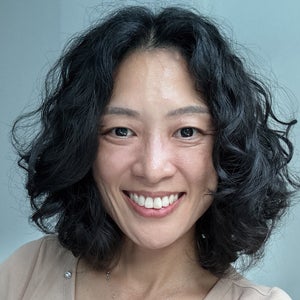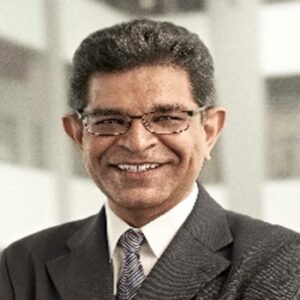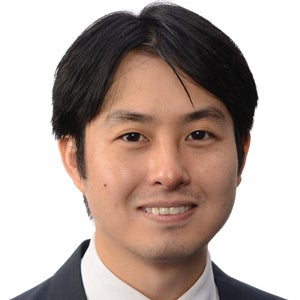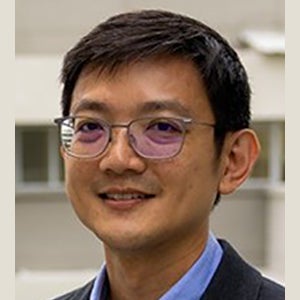

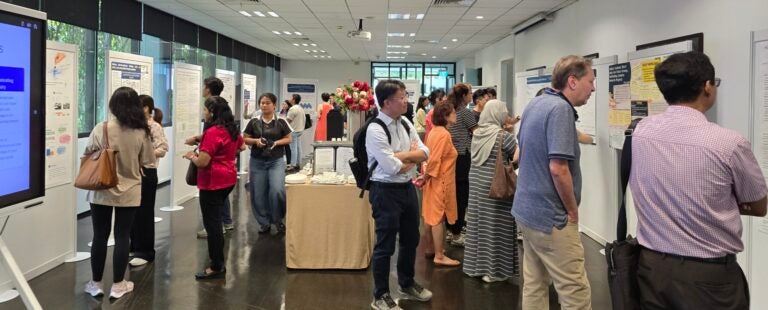
On 14 August 2026, CTLT celebrated the completion of the inaugural RITE (Reflective Inquiry in Teaching) programme with the RITE Poster Gallery Walk. Good conversations occurred between colleagues and students with the 12 RITE participants, who shared—through their posters and narratives—the “small changes” they tried out in their teaching, which include experimenting with a small change, gathering the evidence, reflecting on what happened, and then making sense of the lessons learnt along the way.
.
According to Dr Kiruthika Ragupathi, who oversees RITE, the initiative started as an idea about offering NUS educators a space to inquire into their own practice through small, intentional changes, which was then developed into a full-fledged programme. The Poster Gallery Walk represents the fruition of the participants’ efforts throughout the programme, not only capturing what they changed in their teaching, but also the questions, surprises, evidence, and insights that emerged through reflection and conversations with their colleagues. You can read more about Kiru’s reflections on her LinkedIn post.
.
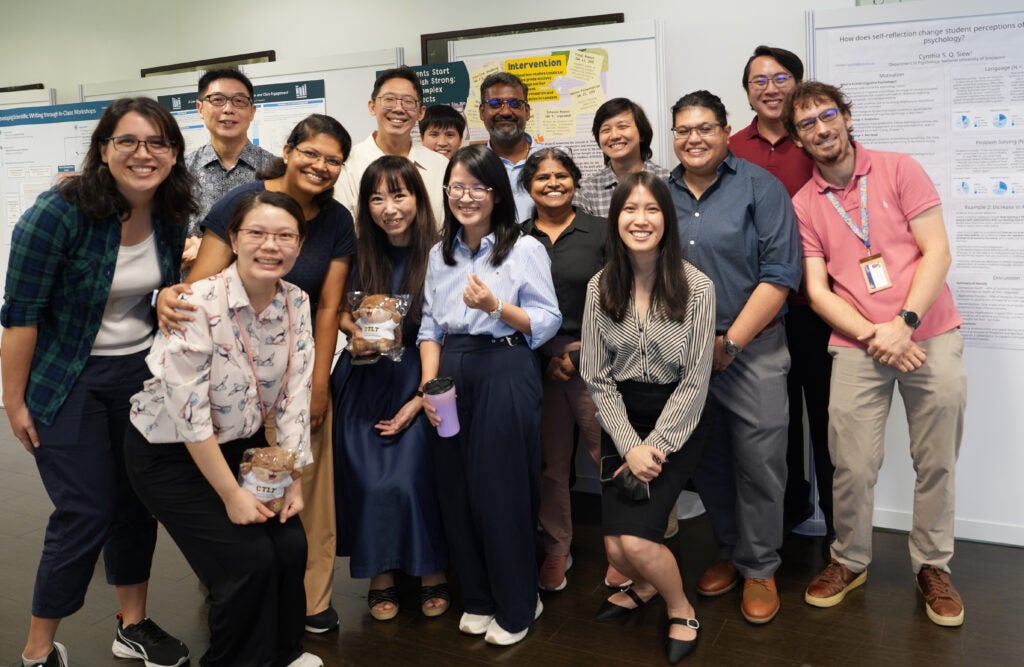
….
Please refer to the list below for the e-posters presented by the 12 RITE participants during the Poster Gallery Walk:
- Building Peer Relationships in a Gateway Electrical Engineering Course
How do pre-assigned groups create opportunities for relationship-building and collaboration in a gateway Electrical Engineering course?
- CHUA Ding Juan, Dept Electrical & Computer Engineering, College of Design & Engineering (CDE)
- Changing Perceptions Through Self-reflection
How does self-reflection change student perceptions of cognitive psychology?- Cynthia SIEW, Dept of Psychology, Faculty of Arts & Social Sciences (FASS)
- Team-based Learning and Student Development
How do repeated in-class team-based activities impact students’ cognitive and affective learning and development?- Donavan Marcus NEO, Dept of Pharmacy & Pharmaceutical Sciences, Faculty of Science (FoS)
- Developing Scientific Writing Through In-class Workshops
What effect does holding a short in-class writing workshop have on students’ ability to articulate their ideas, work, results, and learned lessons in their proposal/report?
- Guillaume Adrien SARTORETTI, Dept of Mechanical Engineering, CDE
- From Awareness to Self-regulation
What do students’ reflections during speed-writing activities reveal about their perceived confidence, competence, and self-regulation as academic writers?
- Jodie LUU, Centre for English Language Communication (CELC)
- Deliberate Teamwork, Peer Reviews, and Reflections Can Elucidate the Interdisciplinary Process
Dedicated time and space for skills development, collaboration, and reflection
- Linda HONG, Dept of Pharmacy & Pharmaceutical Sciences, Faculty of Science (FoS)
- Addressing Common Errors and Misconceptions
How do targeted in-class and take-home quizzes, specifically designed around common errors and misconceptions, improve learners’ conceptional understanding?
- Nitya Lakshmanan, Dept of Computer Science, School of Computing (SOC)
- Declaring Preparedness
A low-stakes intervention to drive reading completion and class engagement
- Rebecca Grace TAN, Dept of Political Science, FASS
- Scaffolding a Complex Macroeconomic Country Report With a Weekly Process-folio
How does a weekly work-in-progress process-folio affect students’ ability to manage and integrate a complex macroeconomic country report?
- Sasidaran Gopalan, Lee Kwan Yew School of Public Policy (LKYSPP)
- Making Interdisciplinary Thinking Visible With Rubrics and Actionable Through Exemplars
A formative assessment approach to supporting interdisciplinary learning
- LIM Xin Xiang, Dept of Biological Sciences, FoS
- Helping Students Start Early and Finish Strong
Scaffolding complex research projects
- YUEN Shu Min, Dept of Japanese Studies, FASS
- Deepening Understanding Through Small Sustained Instructional Interventions
How do small sustained instructional interventions impact students’ ability to deepen understanding and integrate information across topics?
- Zeehan Jaafar, Dept of Biological Sciences, FoS