Institute for Education Innovation 2025
Centre for Teaching, Learning and Technology (CTLT)
National University of Singapore
The Centre for Teaching, Learning and Technology (CTLT) at the National University of Singapore is pleased to announce the Institute for Education Innovation 2025. This three-day event is designed to help you, as university teachers, to adapt, develop and implement innovative educational practices in your own courses.
We invite interested educators and practitioners, regardless of discipline, to apply to join a regional cohort of university teachers, who will come together in CTLT (NUS) over two full days of workshops to engage in deep discussions, hands-on collaborative activities and purposeful sharing of innovative practices. On the third day, participants will be invited to join our one-day Higher Education Conference Singapore (HECS 2025), which showcases many of our colleagues’ innovative T&L inquiry projects and practices.
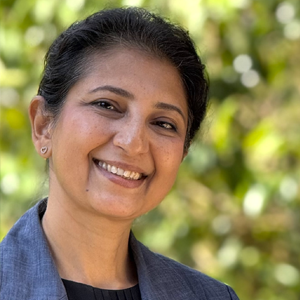
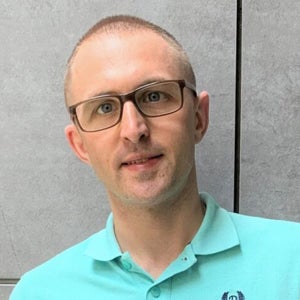
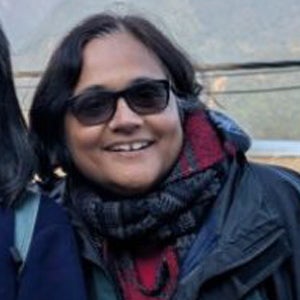
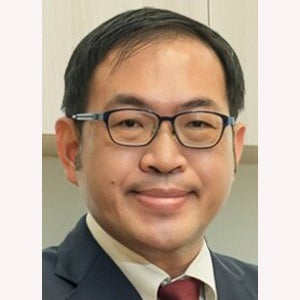
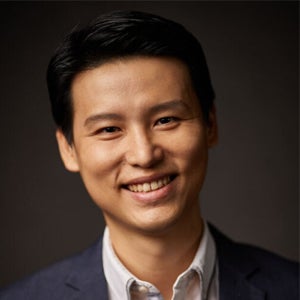
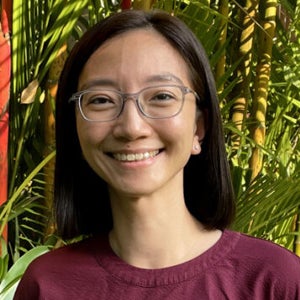
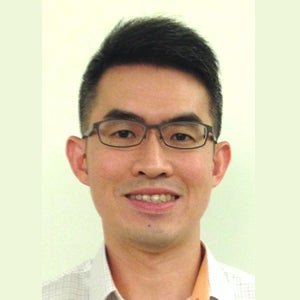
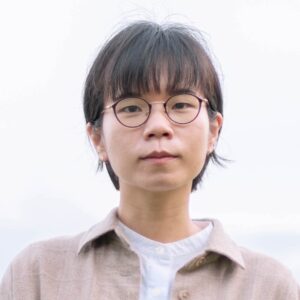
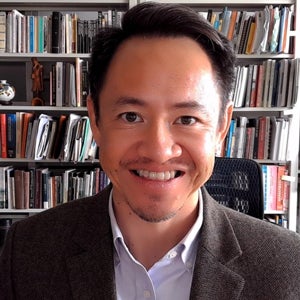
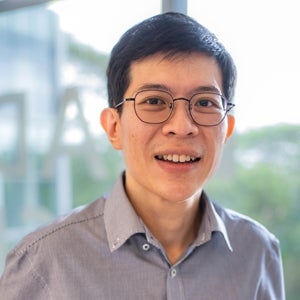
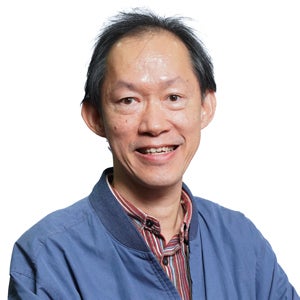
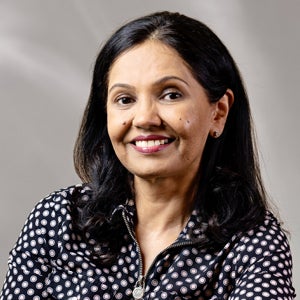
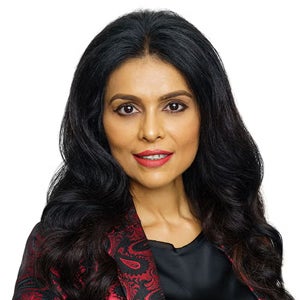
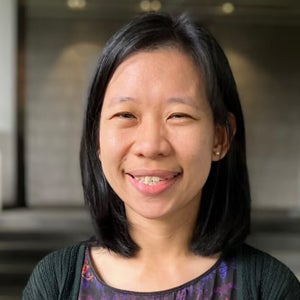
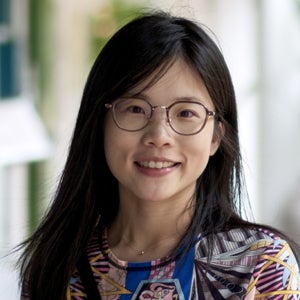
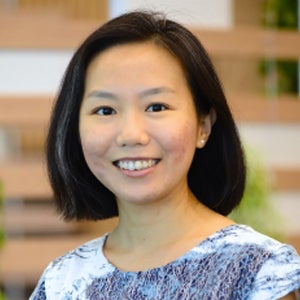
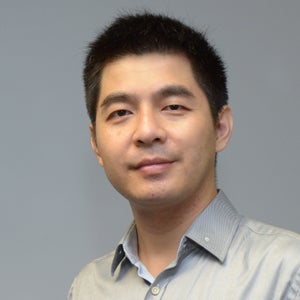
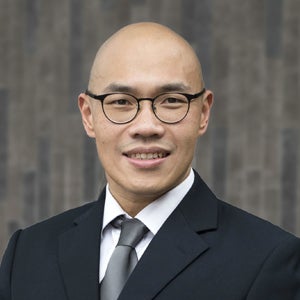
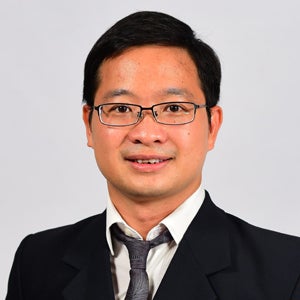
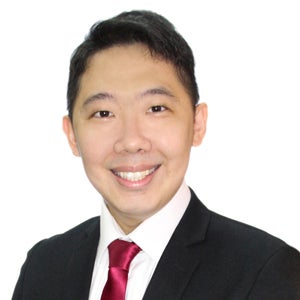
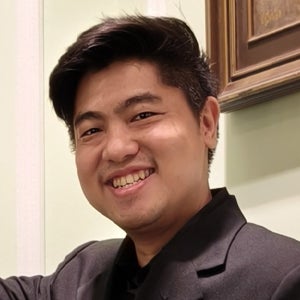
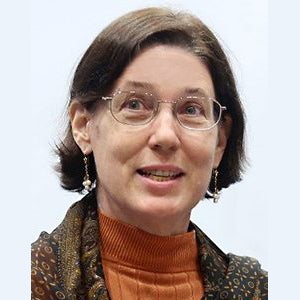
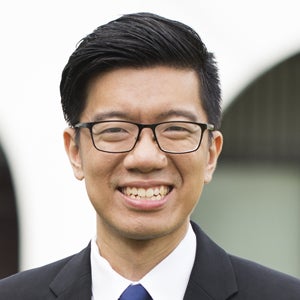
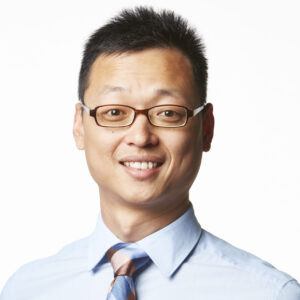
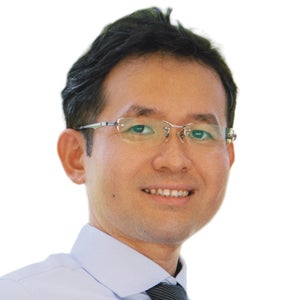
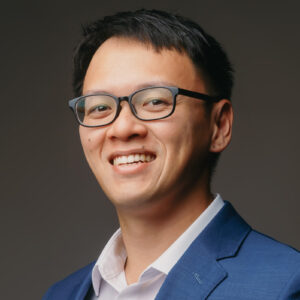
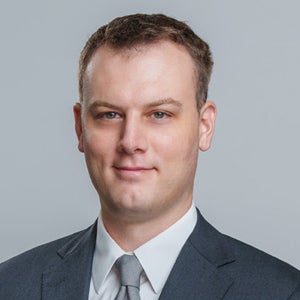
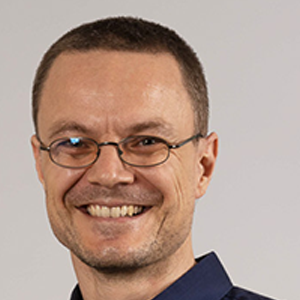
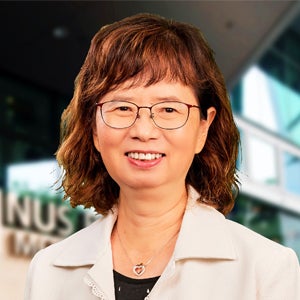
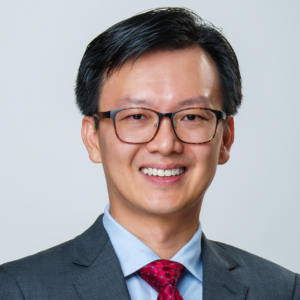
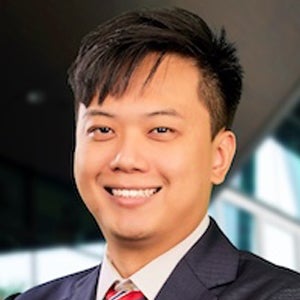
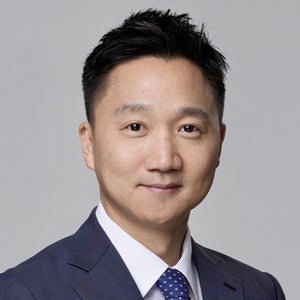
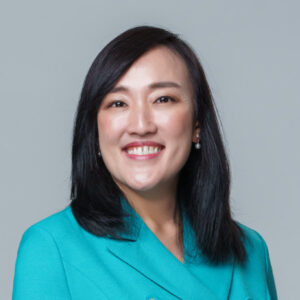
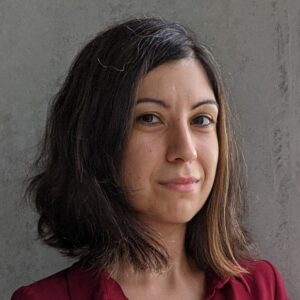
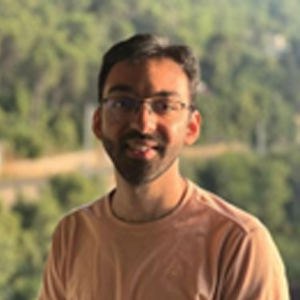
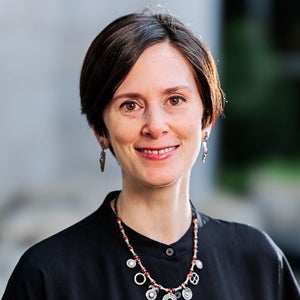
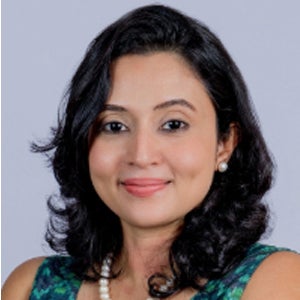
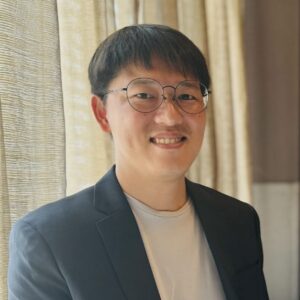
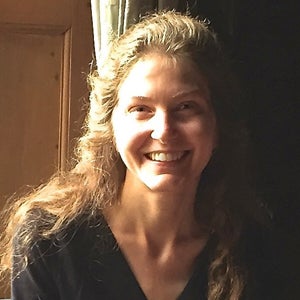
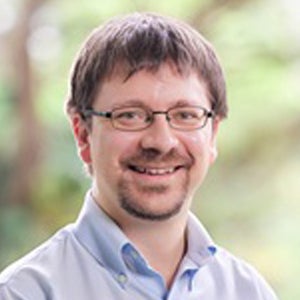
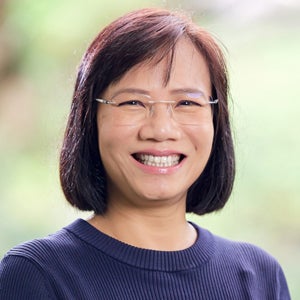
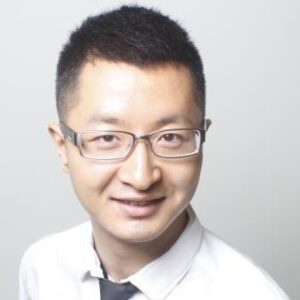
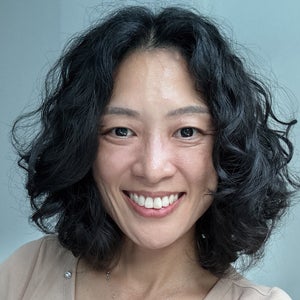
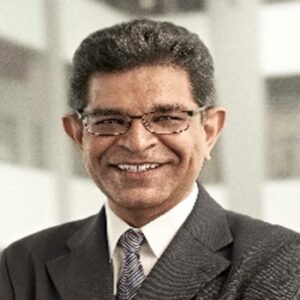
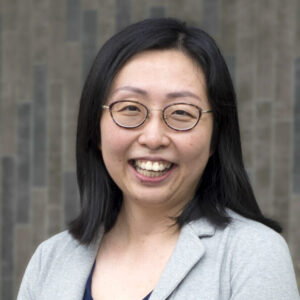
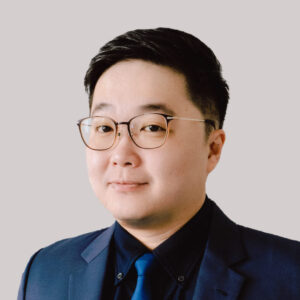
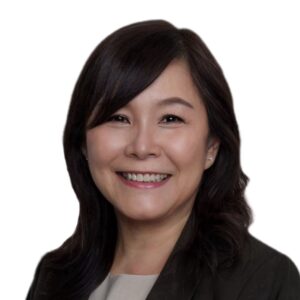
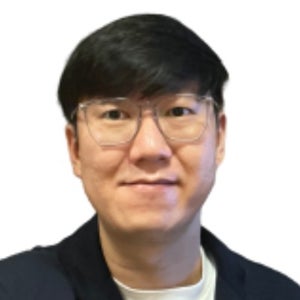
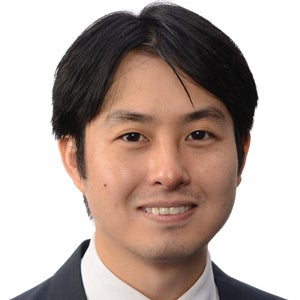
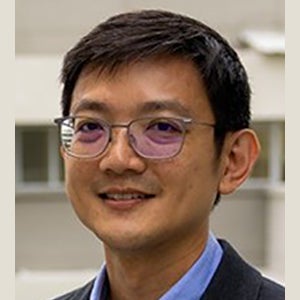
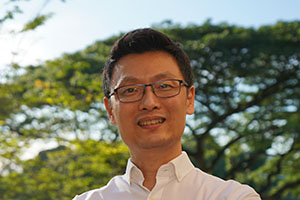
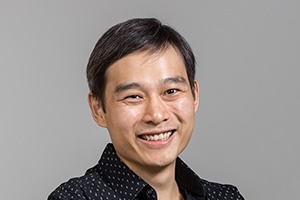
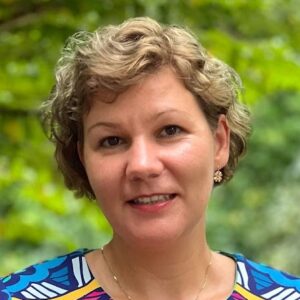
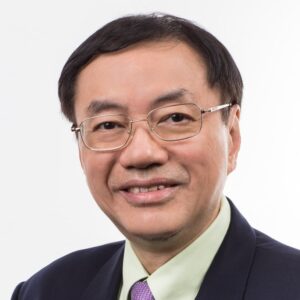
To lead these sharing and discussion workshops, we have the privilege to engage four award-winning innovative teachers from NUS, who come from different disciplinary backgrounds but all have deep knowledge and skills in implementing innovative educational practices in their courses. Check out their profiles below.
Background of Institute
The global landscape of higher education is changing rapidly and in unpredictable ways, driven by technological advancements, shifting societal needs, and a commitment to inclusivity. The design and implementation of innovative educational practices have been a key imperative of institutions, striving to prepare their students to be good communicators, critical thinkers, collaborative players, and life-long learners. However, educational innovation can be a daunting task for teachers who are more familiar with traditional teaching models, such as lectures and tutorials, and may require professional support or training to bring about pedagogical change and to adopt innovative approaches.
While exploring the question, ‘How do university academics engage in teaching and learning Innovation?’ Fraser (2019, p.1374) states that
“an innovative teacher is identified as more than just one who uses a new or significantly improved technique for teaching and learning, but rather s/he is committed to the goals or philosophy of improving the quality of student learning through innovation.”
Besides attributes such as abilities to deliver an educational experience to students, or capabilities to translate innovative ideas into action, the culture and practice of an institution and the efficacy of its leaders (innovative policymakers) both play an important role in encouraging and supporting innovative practice. To add to this, we strongly believe that having good role models of teachers who are willing to share their innovative pedagogical practices can influence and help others to develop these capabilities effectively.
The active use of innovative teaching approaches is a necessary skill in every teacher’s toolbox. Through innovative pedagogies, the teacher becomes more engaging, better motivates their students to learn, and promotes a deeper understanding of what they are intended to learn.
Goals of the 2025 Institute
- To share evidence-informed innovative teaching strategies that will help enhance your students’ learning.
- To provide opportunities to critique, co-design and evaluate innovative educational approaches that could be adapted and applied to your own context.
- To build a learning community with fellow educators from the region and to learn from one another.
Target Audience
Teachers from higher educational institutions, with at least three years of teaching experience, and are passionate and committed to develop their educational knowledge and skills.
How to Apply? (By Invitation Only)
By invitation only. Please contact Mark Gan (mark.gan@nus.edu.sg).
We look forward to having you at the Institute for Education Innovation (IEI) this coming December!
Workshops
I Ask, I Answer, I Acquire: Contextualised Learning via Enquiring, Answering, and Reflecting (CLEAR)

Facilitator: Tay En Rong Stephen
Affiliation: College of Design and Engineering (CDE), Department of the Built Environment
Email: stephen.tay@nus.edu.sg
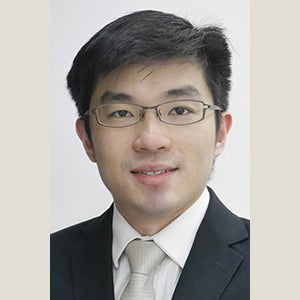
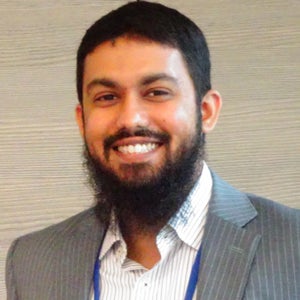
Associate Professor Stephen Tay is currently an Associate Director in the Centre for Teaching, Learning and Technology (CTLT), and a Fellow of the NUS Teaching Academy. He obtained his PhD from Imperial College London under the National Research Foundation (Clean Energy) Overseas Scholarship. Assoc. Prof. Tay developed “Contextualised Learning via Enquiring, Answering, and Reflecting” (CLEAR), which has been employed across courses and institutes. Beyond pedagogy, Assoc. Prof. Tay is also active in andragogy, conducting training activities for local and international organisations. In recognition of his excellence to teaching, he was awarded the University Teaching Awards Honour Roll (2024-2028).
Intended Learning Outcomes
By the end of this workshop, participants would be able to:
- Identify the elements of CLEAR.
- Articulate the impact of CLEAR implementation across disciplines.
- Apply facilitation techniques to encourage student question and answer generation.
- Develop personalised lesson plans to adopt CLEAR in their teaching.
- Share and receive feedback to help improve the developed lesson plans.
Synopsis
This workshop is designed for educators who are interested in adding an active and authentic approach to teaching and learning within their courses. In the course, participants will explore a dynamic pedagogical approach that weaves together active learning, authentic assessments, and peer learning through Contextualised Learning via Enquiring, Answering, and Reflecting (CLEAR).
In this workshop, Assoc. Prof. Stephen Tay will share his experience in developing a scalable teaching approach, which was implemented across courses, Departments, Colleges, and Institutions with triangulated measurements (i.e., assessment scores, student feedback, sample of students’ work, and feedback from lecturers). Specifically, scenario-based student generated questions and answers (sb-SGQA) was developed from the existing student generated questions (SGQ) approach in literature through the following three improvements: 1) utilisation of higher orders of Bloom’s taxonomy, 2) development of answers to the questions developed, and 3) employing industry scenarios for the questions for authentic assessments. Subsequently, the sb-SGQA approach was improved by adding a stronger emphasis on student reflection, which led to CLEAR – Contextualised Learning via Enquiring, Answering, and Reflecting. Participants of the seminar will be provided with the lessons learnt across a five-year journey. In addition, case studies in 1) andragogy and 2) interdisciplinary teaching and learning will be presented.
Drawing inspiration from real course examples, participants will create personalised implementation plans, collaborate with their peers to share innovative ideas, and reflect on implementing CLEAR in their teaching to achieve desired learning outcomes. By the end of this workshop, participants will be empowered with practical strategies to create an engaging learning environment with CLEAR to foster deeper understanding and increase student agency.
Teaching with Difference: Critical Pedagogy for IHL classrooms

Facilitator: Kamalini Ramdas
Affiliation: Faculty of Arts and Social Sciences (FASS), Department of Geography
Email: geokr@nus.edu.sg
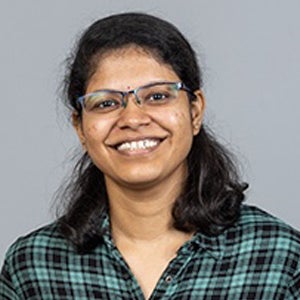
Kamalini Ramdas is Associate Professor at the Department of Geography, NUS. She teaches courses in social theory, gender and geography. Her research interests include critical/feminist pedagogy, geography education and advocacy research. Kamalini has published in journals such as Urban Studies, Environment and Planning A, Environment and Planning D: Society and Space, and Gender Place and Culture. She has also co-edited Untying the Knot: Marriage and Reality in Asian Marriage (with Gavin Jones; Singapore: NUS Press, 2004) and Changing Landscapes of Singapore: Old Tensions, New Discoveries (Singapore: NUS Press, 2013). Kamalini has worked with various groups and organisations in the arts, sports and education sectors. She has more than 20 years of teaching and education-related experience. She has developed curricula for interdisciplinary learning and general education and has worked with policy makers and community groups to advance gender and geography education in Singapore. She is currently the chair of the Critical Education Research Cluster at the Faculty of Arts and Social Sciences (FASS) in NUS.
Intended Learning Outcomes
By the end of this workshop, participants would be able to:
- Describe the background and history of critical pedagogy and its’ relevance today.
- Explore how critical pedagogy could be contextualised for different IHL learning environments.
- Compare and contrast the opportunities and challenges when applying critical pedagogy to engage your students.
- Develop practical strategies for using critical pedagogy
- Delve deeper into three issues: i) the setting-up of internal communities of practice and how we might use these to engage with people within and outside our institutions, ii) classroom management through journaling and deep listening, and iii) engaging with and recovering from student feedback.
Synopsis
Critical pedagogy (Freire, 1971) seeks to interrogate how social structures shape the ways we come to know and experience the world. By drawing attention to inequalities and inspiring new modes of thinking, critical pedagogy aims to advance social justice through education. Drawing on these principles, workshop participants will investigate and analyse how power, philosophy and practice can be operationalised in and outside their classrooms for change-making through education. These are practices that can have significant translational capacity when applied to wider curriculum and education policy at the national level as well as more localised teaching and learning communities.
Outside of the classroom strategies will focus on how to develop teaching and learning communities of practice and the scope for engaging policy makers or external groups. Why should we do this? What are the benefits and challenges? And how can we better collaborate in our own countries and across regions to better share knowledge and resources?
For inside classroom strategies, workshop participants will focus on the management of classroom dynamics as practitioners of critical pedagogy. How can we be better prepared to sit with discomfort, and manage emotions and relationships when discussing hot topics? Finally, the workshop will focus on the matter of student feedback. What are some likely outcomes for student feedback and how can we better manage our response to these as practitioners of critical pedagogy? How much should we engage with student feedback?
Designing Rubrics for the Age of Generative AI: An Exploration

Facilitator: Yeong Foong May
Affiliation: Yong Loo Lin School of Medicine (YLLSOM), Department of Biochemistry
Email: bchyfm@nus.edu.sg
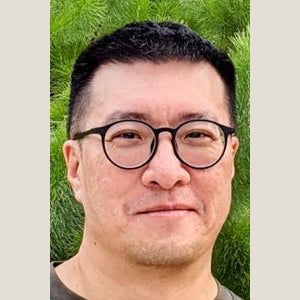
Foong May YEONG is Associate Professor at the Department of Biochemistry, NUS. She is a cell and molecular biologist and her interest in higher education revolves around collaborative and authentic learning. She employs various technology platforms in her teaching and learning activities. She is Executive Committee Member and Fellow of the NUS Teaching Academy. Foong May is Senior Fellow of the Higher Education Academy, UK.
Intended Learning Outcomes
By the end of this workshop, participants would be able to:
- Construct an alignment grid for learning outcomes, teaching activities, and assessments.
- Draft a rubric for a specific assignment or assessment task.
- Evaluate the benefits and challenges of rubric-based assessments in the context of generative AI.
Synopsis
As generative AI tools become increasingly accessible to students, educators are challenged to rethink how to design assessments that go beyond simple content knowledge. How can we fairly and rigorously evaluate students’ abilities in this evolving landscape?
In this workshop, we’ll explore practical strategies together to design rubrics that foster and measure essential skills— such as contextual thinking, effective collaboration, presentation skills and the savvy use of technology—while maintaining academic rigour.

What We Plan to Discuss
- Foundations in Constructive Alignment: We will begin with a brief but focused look at the theory behind aligning learning outcomes, teaching activities, and assessment.
- Rubric Design in Practice: We will share our experiences on adapting rubrics for take-home assignments in the era of AI, highlighting some challenges and successes.
- Collaborative Breakout Sessions: We will work in small groups to discuss, draft, and refine rubrics that address both content knowledge and broader competencies. This is an opportunity to brainstorm and exchange ideas from across disciplines.
- Sharing and Synthesis: Groups or individual participants will share their ideas and drafts, providing a platform for collective reflection and the exchange of practical tips.
- Key Takeaways: We will close by summarising the main learning points and discussing how these insights can be applied to our own teaching contexts.
This workshop is designed to be interactive, practice-oriented, and open for exchanges. We invite you to engage in this timely conversation.
Integrating Community-based Learning Across Disciplines: From Concept to Practice

Facilitator: James Kah
Affiliation: College of Design and Engineering (CDE), Department of Biomedical Engineering
Email: kah@nus.edu.sg
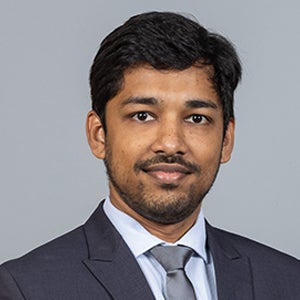
James Kah is an Associate Professor in the Department of Biomedical Engineering and also the Vice-Dean overseeing Outreach and Special Projects at the College of Design and Engineering (CDE) in NUS. Dr. Kah received his Ph.D. in Bioengineering from NUS and was a postdoctoral fellow in the Department of Biological Engineering at MIT prior to joining NUS. As an educator, James teaches undergraduate courses on Gerontechnology in Ageing and Assistive Technology for Persons with Disability while leveraging on community-based learning to teach and drive innovations through co-designing solutions with the elderly and disability communities in Singapore. Some of these innovations have been commercialised and deployed in the ageing and disability communities.
Intended Learning Outcomes
By the end of this workshop, participants would be able to:
- Describe what Community-Based Learning (CBL) is and how it differs from other experiential learning approaches.
- Articulate why CBL is valuable in higher education.
- Develop ways on how to plan meaningful, discipline-appropriate CBL projects.
- Explore how to implement and manage CBL activities, including logistics and partnerships.
- Begin crafting their own CBL concept with peers through guided discussion and hands-on tools.
Synopsis

This interactive workshop introduces educators to the foundations and practicalities of Community-Based Learning (CBL)—an experiential teaching approach that connects academic learning with real-world community engagement. Designed for faculty across all disciplines, the session explores the “what,” “why,” “how to plan,” and “how to implement” CBL effectively within diverse higher education contexts.
Participants will begin by examining what defines CBL and how it differs from other experiential learning models. Through real-world case studies from fields like health sciences, business, engineering, and the humanities, the workshop highlights the value of CBL in fostering student engagement, civic responsibility, and deeper learning. Educators will then engage in small-group discussions to reflect on how CBL might align with the goals and learning outcomes of their own courses. The session provides concrete strategies for planning, partnering with communities, and managing CBL logistics, including student preparation, assessment, and ethical considerations.
Participants will also have time to develop a draft of a mini-CBL activity using a guided planning template, followed by peer feedback and shared reflection. The workshop ends with a focus on practical next steps and resources to support continued development of CBL initiatives.
Whether you are new to CBL or looking to refine your approach, this session offers both strategic insight and hands-on tools to bring meaningful community engagement into your teaching.
Programme
Day 1 (8 Dec 2025)
| Time | Topic | Location / Facilitator |
| 8.30 am |
Registration (Coffee & Tea) |
CTLT Dewey Room |
| 9.00 am | Welcome and Introductions | Dewey Room A/P Soo Yuen Jien |
| 9.30 am | Workshop 1: I Ask, I Answer, I Acquire: Contextualised Learning via Enquiring, Answering, and Reflecting (CLEAR) |
Dewey Room A/P Stephen Tay |
| 12.45 pm | LUNCH | Foyer |
| 2.00 pm | Workshop 2: Teaching with difference: Critical Pedagogy for IHL classrooms |
Dewey Room A/P Kamalini Ramdas |
| 5.15 pm | END |
Day 2 (9 Dec 2025)
| Time | Topic | Location / Facilitator |
|
9.00 am |
Morning conversations (Coffee & Tea) |
CTLT Dewey Room |
|
9.30 am |
Workshop 1: |
Dewey Room |
|
12.45 pm |
LUNCH | Foyer |
|
2.00 pm |
Workshop 2: |
Dewey Room |
|
5.15 pm |
Day 2 Closing session |
Dewey Room |
| 6.00 pm | NETWORKING DINNER | @Swensens |
Day 3 (10 Dec 2025)
| Time | Topic | Location / Facilitator |
| 9.00 am— 6.00 pm |
NUS Higher Education Conference Singapore (HECS) | UTown |
Accommodation
Hotels near NUS.
| # | Accommodations near NUS | Distance to Event Venue (CTLT, NUS) |
| 1 | Citadines Science Park Singapore (Nearest MRT Station: Kent Ridge) | 5 min by car |
| 2 | Lyf one-north (Nearest MRT Station: One-North) | 8 min by car |
| 3 | Park Avenue Rochester (Nearest MRT Station: Buona Vista) | 8 min by car |
Directions to NUS CTLT
- Take internal shuttle bus A2 (bus stop no 18331) from Kent Ridge Station Exit A / NUH
- Alight at the Central Library bus stop
- Follow these directions to CTLT