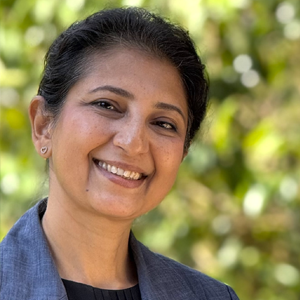

Teresa Wai See ONG
Teaching and Learning Centre, Singapore University of Social Sciences (SUSS)
Sub-Theme
Building Learning Relationships
Keywords
Mediate learning experience, self-regulated learning, tertiary education, Singapore
Category
Lightning Talks
With the rapid transformation of digital technology in the 21st century, many universities have adopted the blended learning approach, which means that classes take place both online and offline. Its purpose is to create a student-centred, self-paced and flexible learning approach, which gives flexibility to students to learn at anytime and anywhere (Tang & Chew, 2016). Despite the advantages, blended learning approach is faced with many challenges as it demands for a higher student engagement and self-regulated learning (Zhu et al., 2016). The literature has shown that one of the key factors for student academic success lies in the capability of them managing their own learning progression.
Self-regulated learning (SRL) is an active process in which students play a central role in managing their own learning process. Some strategies are organisation, time management, peer learning, monitoring and effort regulation, which use cognition, metacognition, motivation, environmental and behavioural components that derived from social cognition theory (Bandura, 1986). Acquiring self-regulated skills is vital and necessary as students are expected to possess self-management skills in pursuing their academic goals independently (OECD, 2013a, 2013b). Past studies, such as Sedigheh et al. (2012) and Haron et al. (2015), have demonstrated that those who used SRL strategies performed better than their peers who did not as they were less motivated to do so. Literature has also reported of the positive relationship between SRL strategies and non-academic outcomes (Cho et al., 2017; Li et al., 2018). These studies suggest that SRL strategies are critical and required in a blended learning environment (Greene et al., 2018; Phillips et al., 2015). Hence, the question lies in how we can assist students who are lagging behind to pick up these strategies?
This study proposes to employ the theory of mediated learning experience (MLE), formulated by Reuven Feuerstein in the 1960s, to create awareness among students so that they can identify the SRL strategies and utilise them to achieve better academic outcomes. MLE refers to the quality of interactions between an individual and the environment via a human mediator who plays an important role in the cognitive development of the individual. The human mediator may be an instructor/facilitator whose role is to explain, emphasise or interpret to a student so that a meaningful model of the context can be built during the process. The mediator uses various strategies, such as focusing, alerting attention, changing stimulus frequency and order, and relating new information to familiar contexts, to enable the student to focus their concentration, curiosity and vigilance, which provide meaning to the neural stimuli. The student gradually adopts the process and subsequently integrates into the mechanisms of change. As the student develops self-mediation strategies, the mediator slowly withdraws from the context to provide the student with more autonomy in executing the acquired mediated strategies. Therefore, the focus on MLE lies on the importance of mediated learning and the adverse consequences of its absence, reduction and poor quality.
By employing the MLE, it is hoped that instructors/facilitators are able to educate students and make them aware of their learning habits through the utilisation of SRL strategies. This is a vital step in offering a practical invention to drive positive academic outcomes in the blended learning environment. Future research recommends exploring more empirical work to better provide assistance for students.
References
Bandura, A. (1986). Social foundations of thought and action: A social cognitive theory. Prentice Hall.
Cho, M. H., Kim, Y., & Choi, D. H. (2017). The effect of self-regulated learning on college students’ perceptions of community of inquiry and affective outcomes in online learning. Internet and Higher Education, 34, 10-17. https://doi.org/10.1016/j.iheduc.2017.04.001
Greene, J. A., Copeland, D. Z., Deekens, V. M., & Yu, S. B. (2018). Beyond knowledge: Examining digital literacy’s role in the acquisition of understanding in science. Computers and Education, 117, 141-159. https://doi.org/10.1016/j.compedu.2017.10.003
Haron, H. N., Harun, H., Ali, R., Salim, K. R., & Hussain, N. H. (2015). Self-regulated learning strategies between the performing and non-performing students in statics. Proceedings of 2014 International Conference on Interactive Collaborative Learning (ICL 2014), (December), 802-805. http://dx.doi.org/10.1109/ICL.2014.7017875
Li, J., Ye, H., Tang, Y., Zhou, Z., & Hu, X. (2018). What are the effects of self-regulated phases and strategies for Chinese students? A meta-analysis of two decades research of the association between self-regulation and academic performance. Frontiers in Psychology, 9(December), 1-13. https://doi.org/10.3389/fpsyg.2018.02434
OECD. (2013a). PISA 2012. Results in focus: What 15-year-olds know and what they can do with what they know. OECD.
OECD. (2013B). Skilled for life? Key findings from the survey of adult skills. OECD.
Phillips, B. N., Turnbull, B. J., & He, F. X. (2015). Assessing readiness for self-directed learning within a non-traditional nursing cohort. Nurse Education Today, 35, 1-7. https://doi.org/10.1016/j.nedt.2014.12.003
Sedigheh, S., Rashid, M. S. M., & Reza, B. (2012). Self-regulated learning strategies (SRLS) and academic achievement in pre-university EFL learners. Education, XXXVII (1), 1-35.
Tang, C. M., & Chew, L. Y. (2016). Digital literacy: A prerequisite for effective learning in a blended learning environment? The Electronic Journal of e-Learning, 14(1), 54-65. https://academic-publishing.org/index.php/ejel/article/view/1743
Zhu, Y., Au, W., & Yates., G. (2016). University students’ self-control and self-regulated learning in a blended course. Internet and Higher Education, 30, 54-62. https://doi.org/10.1016/j.iheduc.2016.04.001