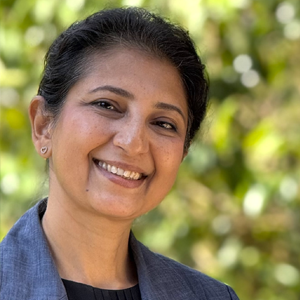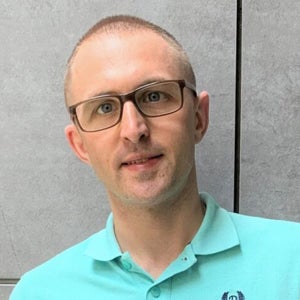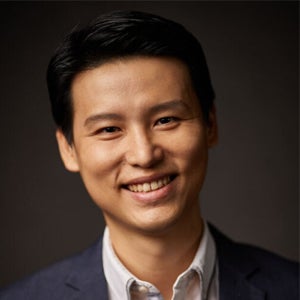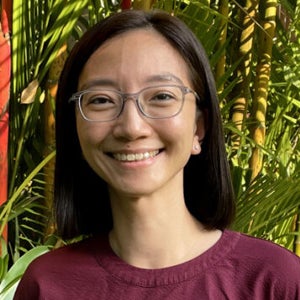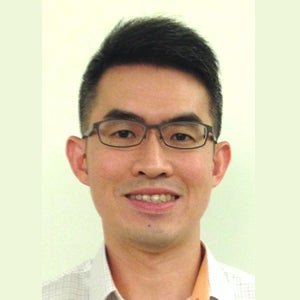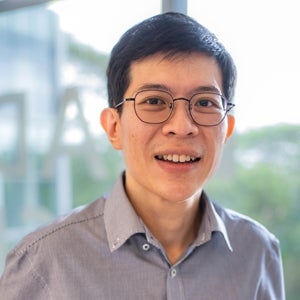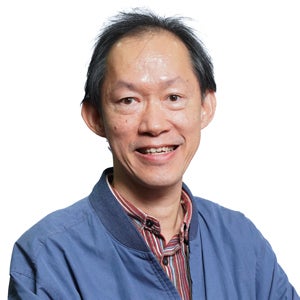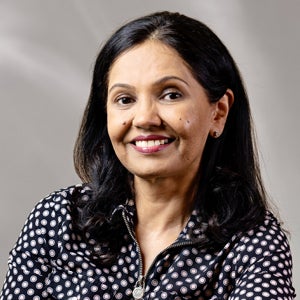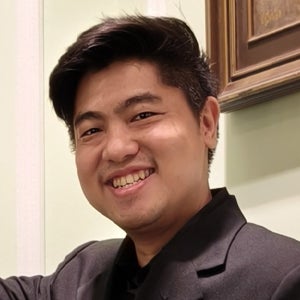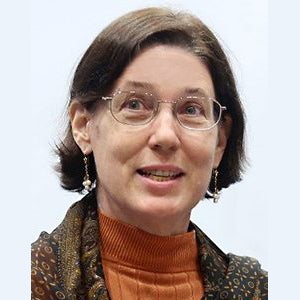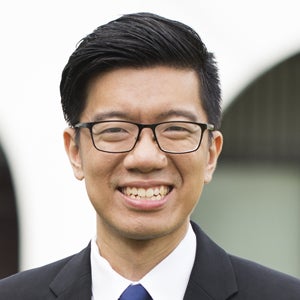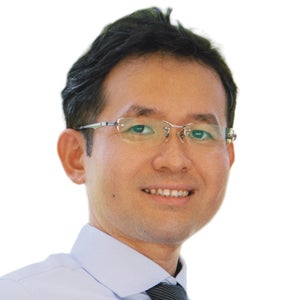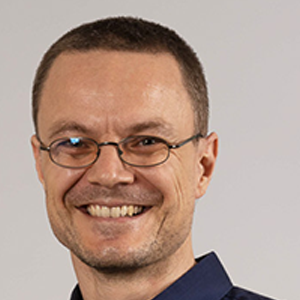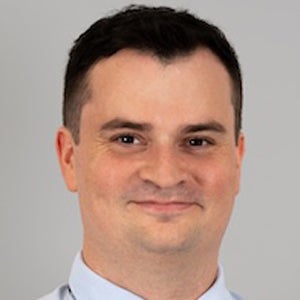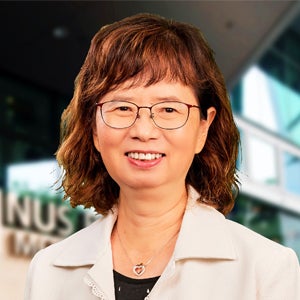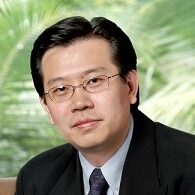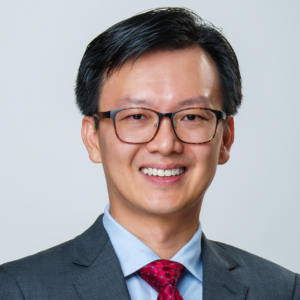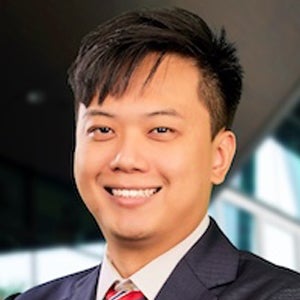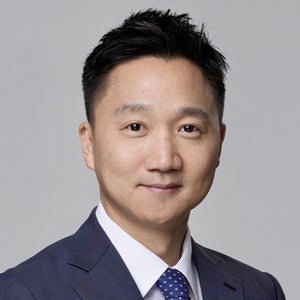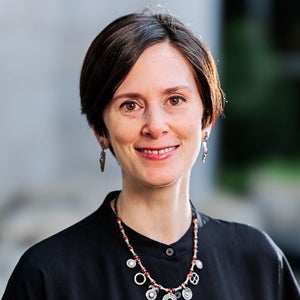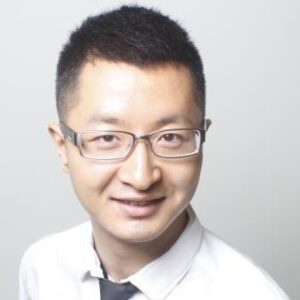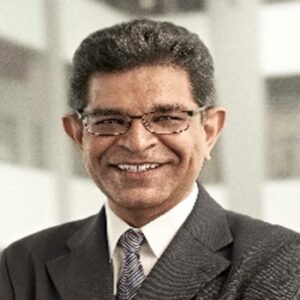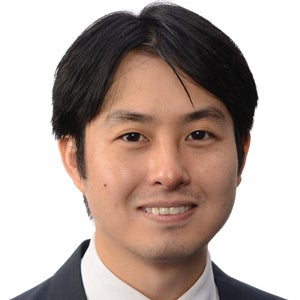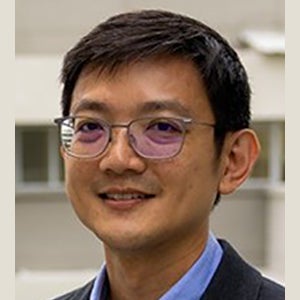
LEE En Ting, Tabitha1,*, YONG Shi Yin1, KOH Hui Li2, Vikki LOH2, CAI Xianhui, Nicholas2, and SEAH Zong Long3
1Science Dean’s Office, Faculty of Science (FoS), National University of Singapore (NUS)
2Department of Philosophy, Faculty of Arts and Social Sciences (FASS), NUS
3Office of the Provost, NUS
Sub-Theme
Building Professional Relationships
Keywords
CHS, interdisciplinary, cross-faculty collaboration, Common Core
Category
Lightning Talks
The College of Humanities and Sciences (CHS) was born out of a response to industry needs for employees who were able to work in interdisciplinary environments. Part of the CHS curriculum is 13 compulsory courses called the common core. These core courses span both arts and science, data literacy and design thinking. The ideal CHS student would be able to synthesise and integrate content from across this wide variety of syllabi. However, as things currently stand, amongst the teaching staff of the common core we see a gap – instructors are not well informed about what other common core courses are teaching which can result in the following outcomes:
- Overlapping topics taught in differing manners due to the differing rationales and learning objectives of the various courses, but students might end up being confused (e.g. GEA1000 and HSI1000 both handle statistics differently)
- Missed opportunities to enhance learning objectives by referencing content from other core courses (e.g. HSA1000 referencing HSS1000 concepts when explaining about crises in the Asian context and vice versa)
- An ironic situation where teaching faculty are advocates for interdisciplinary learning while they themselves teach in silos.
Our solution to this problem is a simple but effective one—to bring a group of dedicated teaching staff from the common core together to provide sharing sessions about each course. Each sharing session will cover two courses, with one representative from each course giving a 1-hour presentation about their course content, assessment format and key takeaways. This is immediately followed by a 30-minute Q&A segment where participants can ask questions to find ways to connect their courses together. Teaching faculty from both FoS and FASS will be invited to these sessions to make it as beneficial as possible. The courses that have agreed to be part of these sessions are:
- HSI1000 How Science Works, Why Science Works
- HSH1000 The Human Condition
- HSA1000 Asian Interconnections
- HSS1000 Understanding Social Complexity
- GEA1000 Quantitative Reasoning with Data
These sessions are scheduled to start in Week 0 of Semester 1 of AY2025/26, so for now, we have no data about the effectiveness of these sharing sessions.
We believe some positive outcomes that could arise from this cross-faculty collaboration among CHS core courses could include:
- Increase in students’ interest and motivation as they recognise and draw connections across their common core courses; they get to see more of how a particular concept or methodology matters beyond a particular subject, but are relevant and significant across different domains.
- Reinforcement and deepening of students’ learning when concepts that straddle across disciplinary boundaries are explained more intentionally. We aim to highlight the similarities, but also the important differences in various disciplines’ approach and applications of the concepts, (e.eg. inference to best explanation is a type of argument used in the Humanities, but it is also common in the science)
- Encourage students to explore and pursue projects that take them beyond their “home faculty” and intellectual comfort zones as the teaching staff intentionally point out areas of interdisciplinary across the common core. The aim is to spur them on towards being more curious, adaptable, innovative inter-disciplinary learners.
Through these sessions, we expect to find meaningful intersections between the common core and look forward to sharing what we have learnt at HECS 2025.