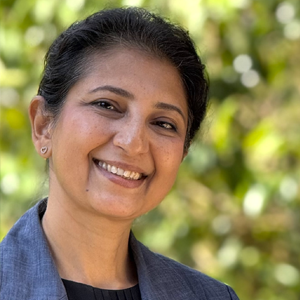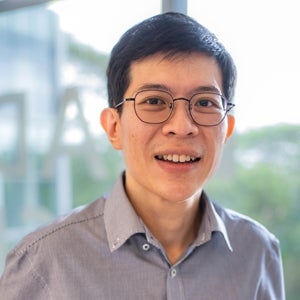
Donavan Marcus NEO* and CHNG Hui Ting
Department of Pharmacy and Pharmaceutical Sciences, Faculty of Science (FoS), National University of Singapore (NUS)
Sub-Theme
Building Learning Relationships
Keywords
Alumni mentorship, peer learning, relational trust, relationship-rich education, professional development
Category
Paper Presentation
Introduction
The importance of mentoring and cultivating relationship-rich environments has been increasingly emphasised in higher education (Felton & Lambert, 2020; Crisp et al., 2017). Felton & Lambert (2020) characterise such environments as systems where “all students must develop webs of significant relationships”. Rather than one-to-one models, authentic social relationships are believed to be best modelled by helping students build relationship networks or “constellations”, including peer relationships between students (Felton & Lambert, 2020; Higgins & Thomas, 2001; McCabe, 2016). Meanwhile, alumni mentoring programmes are emerging as impactful avenues for improving student outcomes while also strengthening alumni engagement (Dollinger et al., 2019).
To this end, an alumni mentorship programme (INSPIRxE) for Pharmacy and Pharmaceutical Science undergraduates in the National University of Singapore (NUS) was launched in 2021 and completed its fourth run in 2025. The programme is conducted over nine months in a group setting, where each mentoring group comprises two alumni mentors with three to four student mentees.
INSPIRxE aims to facilitate the personal and professional growth of undergraduates through building longitudinal alumni mentor-student mentee relationships, and peer mentee-mentee relationships within the mentoring group.
This presentation explores how successful was INSPIRxE in achieving its aims, and what are the key facilitators and barriers in the development of relational trust between students and alumni, as well as the emergence of supportive peer relationships within the groups. Specifically, we present findings from the recent INSPIRxE run conducted from September 2024 to May 2025 in the NUS Academic Year (AY) of 2024/25.
Methodology
Thirty alumni mentors and 51 student mentees were divided into 15 mentoring groups for the AY24/25 run. At the end of the nine-month programme, mentors and mentees were invited to participate in a survey comprising both Likert statements (five-point scale) and free response questions. We constructed statements to measure personal and professional growth, relational trust and support, communication and engagement, and factors that may have helped or hindered relationship building.
Results
We received preliminary survey responses from 14 mentors (47%) and 16 mentees (31%). All respondents agreed that the time and effort spent during the mentoring was worthwhile, with all mentees (100%) and most mentors (93%) agreeing that the mentorship had a positive impact on mentee’s growth and development. Most mentees (88%) and mentors (86%) agreed that the nine-month duration was sufficient to build meaningful mentor-mentee relationships, and that they would continue to seek/offer guidance beyond the programme (94% and 100% for mentees and mentors, respectively). In open-ended responses, mentees consistently described effective mentors as approachable, supportive, and friendly. Mentors, in turn, valued mentees who were enthusiastic and open to learning.
Between student mentees, most (88%) agreed, feeling comfortable sharing academic and career concerns with their peers at the end of the programme. They also acknowledged that their fellow mentees contributed positively to the group experience and often shared similar challenges and aspirations. However, some barriers in building peer relationships were noted, including “fear of being vulnerable” and initial difficulties “to open up and share honestly” with each other. In the group setting, logistical challenges such as finding common times for meetings were also raised as a limiting factor for creating cohesion between mentors and mentees.
Conclusion
The preliminary results suggest that INSPIRxE was effective at inspiring meaningful alumni-student and peer-to-peer relationships with generally high levels of satisfaction, sustained engagement, and mutual support. While limited in sample size, these initial results affirm the value of structured, group-based alumni mentoring in cultivating relational trust and community among undergraduates, which we will continue to explore in greater detail over subsequent runs.
References
Crisp, G., Baker, V. L., Griffin, K. A., Lunsford, L. G., & Pifer, M. J. (2017). Mentoring undergraduate students. ASHE Higher Education Report, 43(1), 7–103. https://doi.org/10.1002/aehe.20117
Dollinger, M., Arkoudis, S., & Marangell, S. (2019). University alumni mentoring programs: A win-win? Journal of Higher Education Policy and Management, 41(4), 375–389. https://doi.org/10.1080/1360080x.2019.1617657
Felten, P., & Lambert, L. M. (2020). Relationship-rich education: How human connections drive success in college. Johns Hopkins University Press.
Higgins, M. C., & Thomas, D. A. (2001). Constellations and careers: Toward understanding the effects of multiple developmental relationships. Journal of Organizational Behavior, 22(3), 223–247. https://doi.org/10.1002/job.66
McCabe, J. (2016). Friends with academic benefits. Contexts, 15(3), 22–29. https://doi.org/10.1177/1536504216662237