
Overview
This programme supports colleagues in approaching an inquiry into their teaching practices by exploring small, evidence-based changes to enhance teaching or assessment methods. It guides you in implementing these changes while systematically evaluating their impact on student learning.
Drawing on James Lang’s Small Teaching approach, the programme provides a structured, research-informed framework to help you make manageable, incremental improvements. It is particularly valuable for those investigating “what works” in teaching and writing reflective impact narratives.
Structure
The programme is designed to be informal and flexible, with asynchronous resources allowing you to engage at times that suit your schedule.
Key Components
- Kick-off Meeting
Define a meaningful inquiry focus for your teaching through guided reflection and collaborative dialogue. - Individual/Group Consultations
Informal sessions offering personalised feedback and support as you plan, implement, and reflect on your small change during the semester. - Asynchronous Resources
Curated, on-demand materials to help you design, implement, and evaluate your inquiry at your own pace. - Writing Retreat
Assess your intervention’s effectiveness and draft an impact narrative capturing key insights, outcomes, lessons learned, and implications for future practice. - Gallery Walk
Share your inquiry outcomes through a poster showcase, promoting discussion, idea exchange, and collaboration across NUS.
.
- Kick-off Meeting: Defining your Inquiry Focus
Focus: This session will guide participants in identifying a meaningful inquiry focus related to their teaching practice. Through guided reflection and collaborative dialogue, participants will develop a clear, actionable question to guide their inquiry process over the coming months. - Individual/Group Consultations
Focus: These consultation sessions provide participants with personalised feedback and support—either individually or in groups. They will have the opportunity to discuss their implementation plans, reflect on their progress, and explore any challenges they are facing. - Asynchronous Resources
Focus: A curated set of on-demand resources is curated to support participants throughout their inquiry process. These materials will guide participants in developing a meaningful small-change idea, implementing it systematically using action research principles, and evaluating its effectiveness. Participants are encouraged to explore these resources at their own pace to deepen their understanding and enhance their practice. - Writing Retreat: Articulating your Impact
Focus: In this follow-up session, participants will evaluate the effectiveness of their intervention using evidence gathered during their inquiry. The session will conclude with participants drafting an impact narrative that highlights their insights, learning outcomes, and implications for future teaching practice. - Celebrating Inquiry: Gallery Walk
Focus: In this final session, participants will share their inquiry journey and outcomes with colleagues. A gallery of posters will showcase their work, creating opportunities for discussion, idea exchange, and potential collaborations in teaching and learning across NUS.
The programme is designed to provide you with structured support for implementing small changes in your teaching practice, and be able to Connect with like-minded colleagues, potentially leading to future collaborations. During the programme, you will:
- Learn and Implement: Gain practical skills for implementing small teaching interventions in your practice.
- Connect and Collaborate: Network with colleagues who share your interests.
- Reflect and Write: Develop your reflective practice skills and develop a compelling impact narrative to showcase your teaching interventions.
- Share and Impact: Present your project at conferences and contributing to teaching advancements at NUS and beyond.
- Choose a small intervention: You’ll identify a specific aspect of your teaching or assessment practice to refine (e.g., revising assessment briefs or introducing formative learning tasks) or tackle a particular challenge (e.g., low student engagement, students coming unprepared).
- Implement and evaluate: You’ll implement your change systematically, gathering evidence on its effectiveness.
- Reflect and write: You’ll reflect on your experience and write a reflective impact narrative documenting your process, insights, and results.
The primary output of this programme is a reflective impact narrative documenting the small, evidence-based changes you have implemented and their outcomes. This narrative is akin to content typically included in your teaching statement. Participants will receive constructive feedback to refine their narratives.
Additionally, you will have the opportunity to present your project at a conference, a cross-disciplinary platform for colleagues to exchange ideas, share insights, and contribute to shaping teaching policy and practices at NUS.
The programme will guide you in making small, evidence-based changes to your teaching or assessment practices. Possible focus areas include, but are not limited to:
- Activating Prior Knowledge: Design activities or questions to help students recall and connect prior knowledge to new concepts.
- Enhancing Assessment Literacy: Develop strategies to help students understand the purpose, format, and expectations of assessments.
- Revising Assessment Briefs: Clarify instructions, provide detailed rubrics, or include examples of successful work.
- Embedding Marking Criteria: Incorporate marking criteria into classroom activities or discussions to demystify grading standards.
- Including Formative Feedback: Create opportunities for low-stakes assessments where students receive constructive feedback.
- Building Retrieval Practice: Introduce activities like quizzes or summaries to help students retain key information over time.
- Improving Student Engagement: Use active learning techniques such as think-pair-share, case studies, or role-playing.
- Scaffolding Complex Skills: Break down larger tasks (e.g., essays or projects) into smaller, manageable stages with clear milestones.
- Supporting Metacognition: Encourage students to reflect on their learning processes through journals, self-assessments, or goal-setting.
- Enhancing Engagement with Discussions: Create structured discussions with guiding questions or use technology to enable asynchronous contributions.
- Strengthening Peer Learning: Design peer-review activities or collaborative projects that deepen understanding and communication skills.
- Encouraging Self-Directed Learning: Provide resources or tools for students to plan, monitor, and evaluate their learning independently.
- Incorporating Active Learning in Lectures: Use techniques like mini-quizzes, polls, or think-pair-share to break up content delivery.
- Designing Effective Closures: End lessons with summarizing activities, reflections, or previewing upcoming material to reinforce learning.
These areas of change will allow you to explore what works in your context, using a manageable, evidence-based approach to improve student outcomes.
If you are interested in joining the RITE programme, please write in with your details and a short statement about your motivation for your interest in this programme. Do not hesitate to contact Kiruthika Ragupathi (kiruthika@nus.edu.sg) if you have any questions.
Group facilitators are experienced instructors who will actively support you in making a small-scale change in your teaching or learning support practices.
List of group facilitators:
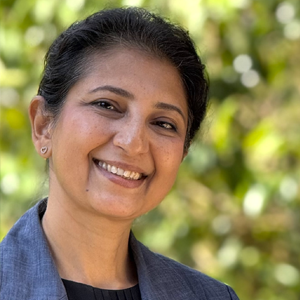
Kiruthika RAGUPATHI, Senior Associate Director, CTLT
For further information about RITE, please contact:
Dr Kiruthika RAGUPATHI
Senior Associate Director, CTLT
e-mail: kiruthika@nus.edu.sg